Health
Nipah Virus Outbreak in India Spurs Global Health Precautions and Heightened Airport Screenings
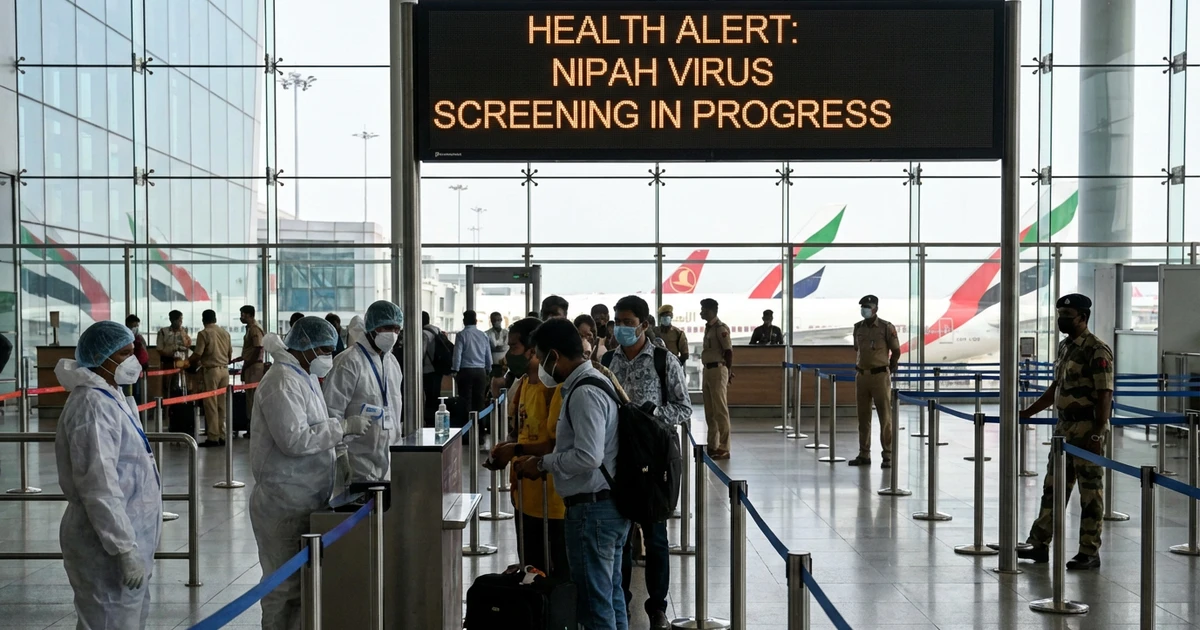
India is battling a new outbreak of the Nipah virus, a deadly disease that has prompted heightened airport screenings across Asia and renewed global health concerns. As authorities race to contain the virus, international travelers and local communities alike are on alert for signs of infection and transmission risks.
What Is the Nipah Virus?
The Nipah virus is a zoonotic pathogen, meaning it can spread from animals—most commonly fruit bats—to humans. First identified in Malaysia in 1998, the virus is known for causing severe illness, including encephalitis (brain inflammation) and respiratory symptoms. Outbreaks have occurred primarily in South and Southeast Asia, with human-to-human transmission reported in several instances.
- Nipah virus has an incubation period ranging from 4 to 14 days.
- Symptoms include fever, headache, cough, and in severe cases, seizures and coma.
- The World Health Organization has cited case fatality rates as high as 40% to 75%, depending on the outbreak and local healthcare resources.
Current Outbreak Status and Response in India
The latest outbreak in India has led to several confirmed deaths and numerous individuals under observation. Local health authorities have implemented quarantine measures and are working to trace contacts of those infected. The affected regions are under strict surveillance, with public health teams conducting door-to-door checks to identify potential new cases early.
India’s Ministry of Health has urged citizens to avoid consuming fruits that may have been contaminated by bats and to report any symptoms promptly. Hospitals in affected areas have set up isolation wards, and medical teams are being provided with additional protective equipment to prevent further spread.
International Impact and Airport Screenings
In response to the outbreak, several Asian countries have introduced enhanced health screenings at airports. Travelers arriving from India are being checked for fever and other symptoms of Nipah virus infection. Some airports have established dedicated health desks to provide information and monitor passengers.
- Airport authorities in countries like Singapore, Malaysia, and Thailand have implemented thermal scanning protocols.
- Passengers showing symptoms are subject to further testing and possible quarantine.
- Health advisories have been issued, cautioning against non-essential travel to affected regions in India.
Why Experts Are Concerned
The high mortality rate, potential for human-to-human transmission, and lack of specific treatments or vaccines make the Nipah virus a priority for health authorities. While outbreaks remain relatively rare, the risk of larger epidemics persists, especially in densely populated areas with close human-animal interactions.
In addition, the similarity of early Nipah symptoms to those of other common illnesses can delay diagnosis and containment, increasing the risk of wider spread. The World Health Organization and local health authorities emphasize the importance of rapid response, effective surveillance, and public education in managing the outbreak.
How to Stay Safe
Public health officials advise the following precautions:
- Avoid close contact with sick individuals and animals, especially bats and pigs.
- Do not consume fruits that may have been contaminated by wildlife.
- Practice frequent handwashing and good hygiene, especially when caring for sick relatives.
- Report any symptoms such as fever, headache, or respiratory distress to a healthcare provider promptly.
Looking Ahead
As India continues to manage the Nipah virus outbreak, international cooperation and vigilance remain crucial. Airport screenings and public awareness campaigns are key to preventing cross-border transmission. Researchers and health organizations are also working to develop more effective diagnostics and, eventually, a vaccine for Nipah virus.
The world will be watching closely to see how this outbreak unfolds and what lessons can be learned for future preparedness against emerging infectious diseases.