Business
Nissan Introduces Unique Hybrid Powertrain to U.S. Market
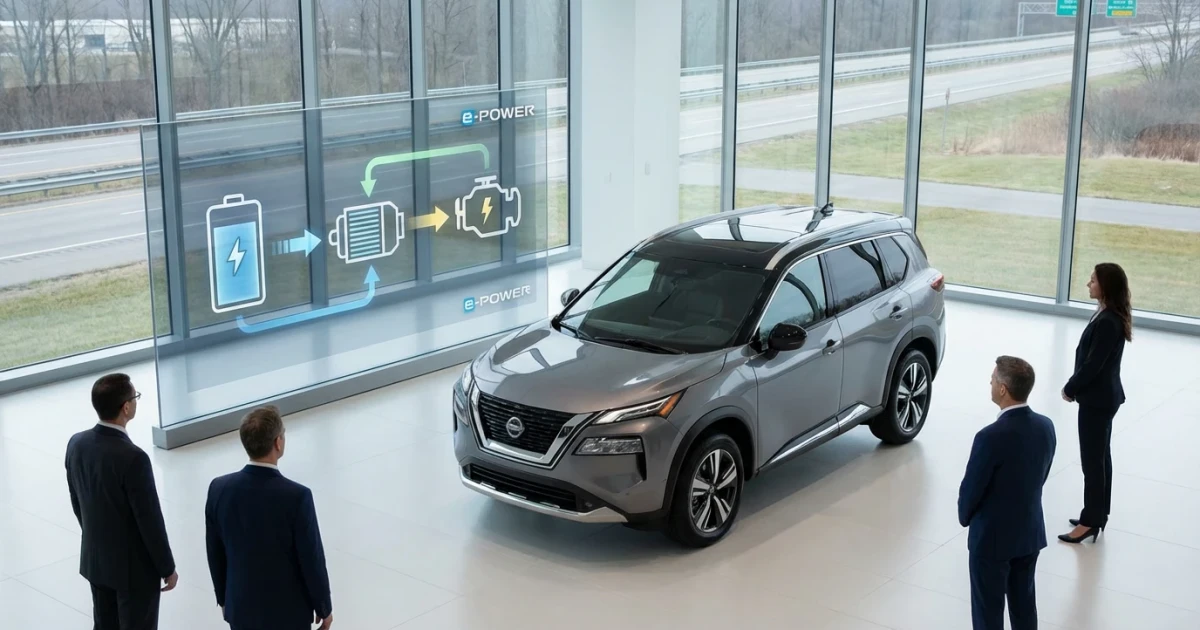
Nissan is set to bring a new dimension to the U.S. hybrid vehicle market with the introduction of its e-POWER system, making its debut in the 2027 Nissan Rogue. This technology, which has already gained traction in other global markets, is distinctive for blending an electric driving experience with the practicality of a gasoline engine, a first of its kind for U.S. consumers, as highlighted by CNBC.
How Nissan’s e-POWER Differs from Traditional Hybrids
Unlike conventional hybrids, where both electric motors and gasoline engines can directly power the wheels, Nissan’s hybrid technology relies solely on its electric motor to drive the wheels. The gasoline engine acts only as a generator, charging the battery that supplies power to the electric motor. This setup means drivers experience smooth, instantaneous torque and quieter operation similar to that of a pure electric vehicle, but without the need for external charging.
According to industry explainers, Nissan’s e-POWER system aims to deliver the benefits of EV driving—such as responsive acceleration and minimal engine noise—while addressing concerns about range and charging infrastructure that some U.S. drivers still have about full battery electric vehicles.
Key Features of the 2027 Nissan Rogue Hybrid
The 2027 Nissan Rogue is expected to highlight several technical and convenience upgrades in addition to e-POWER, based on early insights from TopElectricSUV:
- Electric-Only Driving Experience: The wheels are powered exclusively by the electric motor, providing seamless acceleration and a quiet ride.
- Gasoline Engine as Generator: The engine never directly drives the wheels but keeps the battery charged for long trips or high-demand driving.
- One-Pedal Driving: Regenerative braking allows drivers to slow the vehicle and recapture energy, which can lead to a more intuitive urban driving experience.
- Improved Fuel Efficiency: Nissan expects this system to offer higher real-world fuel economy than conventional hybrids in stop-and-go traffic, where the electric motor excels.
- Advanced Tech Integration: The next-gen Rogue is also anticipated to feature upgraded infotainment, new driver-assist systems, and enhanced interior comfort.
Market Context and Hybrid Trends
Nissan’s e-POWER arrival comes as hybrid and electric vehicle sales continue to rise in the U.S., with automakers seeking creative solutions to meet increasingly strict fuel economy regulations and shifting consumer expectations. While Toyota and Honda have dominated the hybrid segment for years, Nissan’s unique approach stands out by prioritizing the EV driving feel while avoiding plug-in charging requirements.
According to Statista data, hybrid sales have seen steady growth, and the introduction of new technologies like e-POWER could expand the appeal of hybrids to drivers who want electric-like performance without range anxiety.
Implications for Drivers and the Industry
For many U.S. drivers, the 2027 Rogue’s e-POWER system could present a compelling middle ground: delivering the smooth, responsive ride of an EV and the convenience of gasoline refueling. This may be particularly attractive in regions where charging infrastructure is still developing or for those not ready to transition fully to battery electric vehicles.
Industry analysts suggest Nissan’s move could influence competitors to explore similar powertrain designs, as automakers race to blend performance, efficiency, and practicality in their next-generation models. The success of e-POWER in the U.S. market will likely depend on its real-world fuel economy, reliability, and how well it resonates with American drivers accustomed to traditional hybrids and gas engines.
Looking Ahead
With the 2027 Rogue’s launch, Nissan is positioning itself as an innovator in the hybrid space, offering a new option for eco-conscious consumers who aren’t quite ready for a full EV. If e-POWER delivers on its promised benefits, it could reshape expectations for what hybrid vehicles can offer in the rapidly evolving U.S. automotive market.