Technology
Niteshift raises $7 million to build anti-lock-in AI coding agent

Niteshift has raised $7 million to sell enterprise buyers a different kind of AI coding agent, one built around flexibility instead of dependence on a single model provider. The startup is betting the next buying fight in AI will be about control, interoperability and bargaining power.
The seed round was led by Greylock partner Jerry Chen, with angel investors including Reid Hoffman, Datadog cofounder and CTO Alexis Lê-Quôc, Datadog CEO and cofounder Olivier Pomel, Ankur Goyal of Braintrust and Misha Laskin of Reflection AI. That roster gives Niteshift unusual credibility in a market where model choice has become a boardroom issue, not just a technical one.
Niteshift was founded by two former early Datadog engineers, which makes its pitch especially pointed. Datadog, the cloud monitoring company founded in 2010 by Pomel and Lê-Quôc, has spent the past year pushing deeper into AI for incident response, development and security, a reminder that the same enterprise buyers paying for observability are also being sold a new generation of software copilots.

Datadog launched Bits AI SRE, Bits AI Dev Agent and Bits AI Security Analyst on June 10, 2025. The Dev Agent was designed to detect issues, generate code fixes and open pull requests, showing how aggressively the company has moved to fold AI into the workflow of engineers and operators. In its 2026 State of AI Engineering report, Datadog said more than 70% of organizations now use three or more models, and the share using more than six models nearly doubled. For startups like Niteshift, that fragmentation is the opening.
Niteshift has been described as a background coding agent that returns merge-ready pull requests with browser-verified screenshots. It also supports Claude Opus 4.6 and Codex 5.3, along with cloud development environments and MCP server integration, signaling a product built to fit into mixed enterprise stacks rather than force customers into one vendor’s ecosystem.
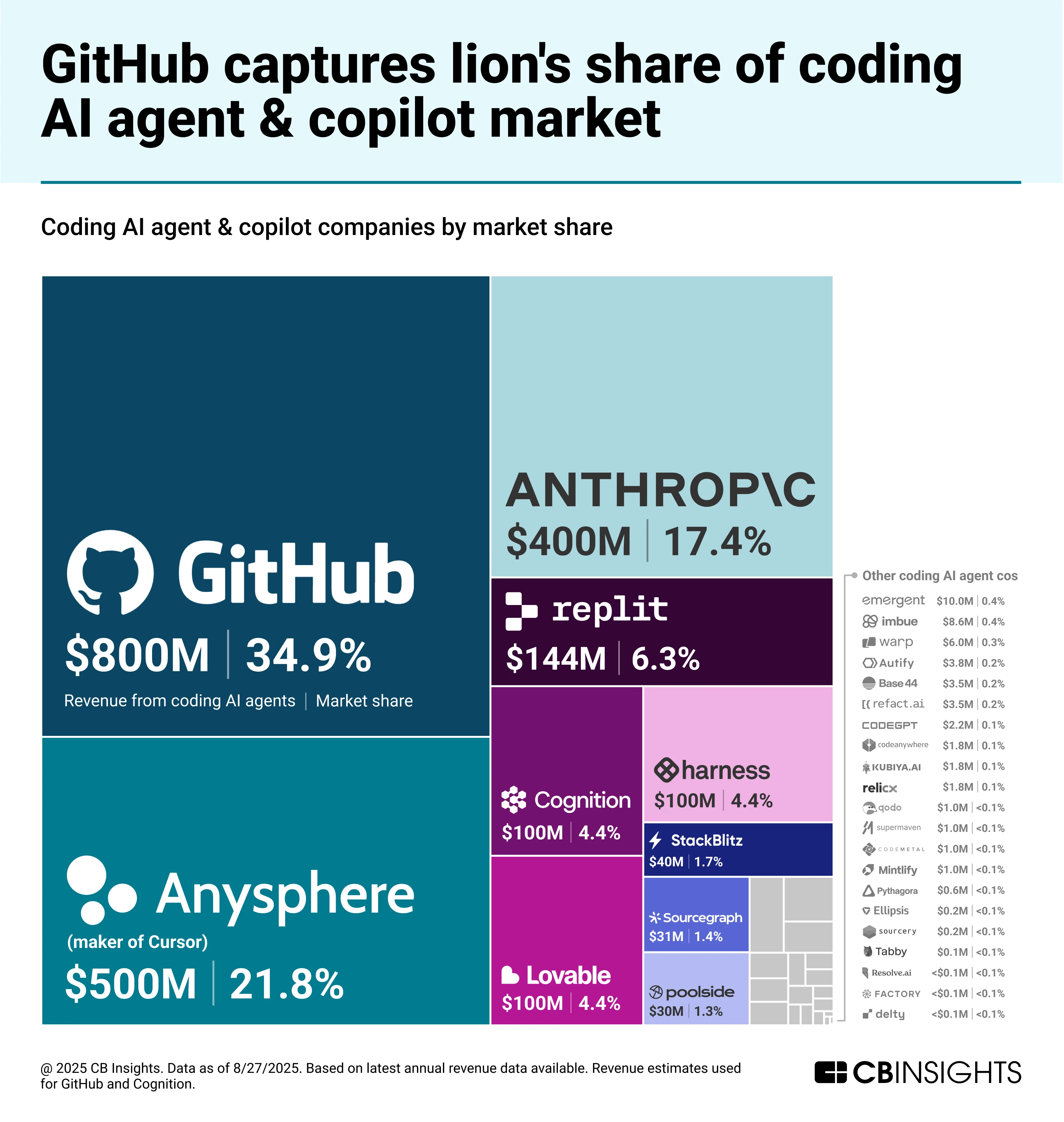
That positioning matters because the AI coding market is already crowded, with players like Cursor and OpenAI’s Codex pressing hard on developer workflows. Niteshift is making a different wager: as enterprises spread their workloads across more models, the winners may be the tools that let them move between providers without rebuilding their processes each time.
Sources
- [1]techcrunch.com
- [2]datadoghq.com
- [3]rywalker.com