US News
NOAA investigates video of person kicking sea lion in San Diego
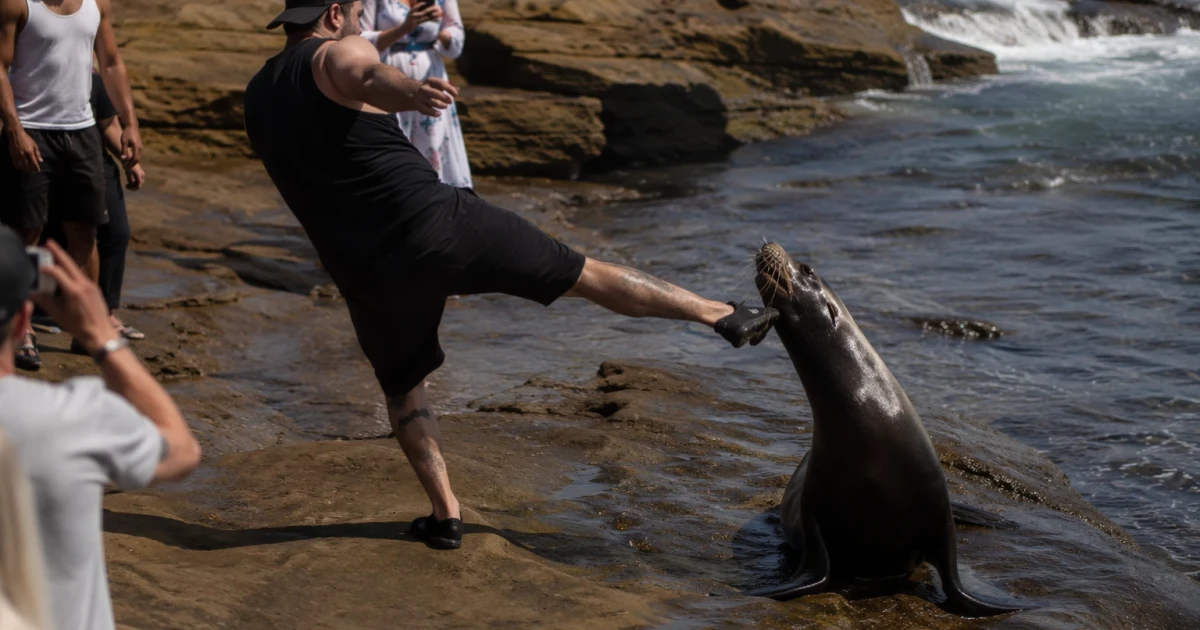
Federal wildlife officials are investigating a video that appears to show a person kicking a protected California sea lion at La Jolla Cove in San Diego, turning a beachside encounter into a potential federal wildlife offense. NOAA confirmed the inquiry and did not offer additional details.
The footage appears to show a man in a T-shirt and shorts approaching a sea lion resting on a seawall and kicking the animal. In some versions of the clip, another person can be heard laughing in the background, a detail that has added to public anger over the encounter.
California sea lions are protected under the Marine Mammal Protection Act, which makes harassing a marine mammal illegal. Federal wildlife rules allow marine-mammal harassment cases to be prosecuted civilly or criminally, and penalties can include fines and jail time. That legal framework is why a short video at a crowded shoreline can quickly become a federal case rather than a local nuisance complaint.
NOAA’s public guidance explains why sea lions are so often found in places like La Jolla Cove. The animals haul out on docks, breakwaters, buoys and other man-made structures to rest and regulate body temperature, which brings them into close contact with people at busy coastal sites. NOAA advises people to keep back 100 yards if possible, keep dogs on a leash and call the marine-mammal hotline at 1-866-767-6114 if an animal is injured.
La Jolla Cove has long been one of San Diego’s most visible wildlife-viewing spots, but it is also a place where visitors often gather very close to resting sea lions. That mix of tourism, smartphones and easily shared video has created a recurring enforcement and education problem along California’s coast, where a single act captured on camera can spread far beyond the shoreline and invite scrutiny from wildlife officials.
Conservation advocates have said social media can normalize harmful behavior toward wildlife if it is not addressed quickly. The San Diego case fits that concern: a brief clip, a protected species and a public setting are enough to trigger questions about identification, accountability and whether more visible education is needed at beaches, harbors and piers where people and marine mammals regularly share the same space.
Sources
- [1]apnews.com
- [2]cbsnews.com
- [3]usatoday.com
- [4]wsaz.com
- [5]fisheries.noaa.gov
- [6]bewhalewise.org