US News
NOAA says El Niño has formed, could strengthen into winter 2026-27

El Niño has taken hold in the tropical Pacific, and NOAA says the pattern is expected to strengthen through the Northern Hemisphere winter of 2026-27. The Climate Prediction Center said the latest weekly Niño-3.4 index was +0.7°C, while the Niño-1+2 region near the South American coast was already +2.1°C, a sign that the ocean-atmosphere system has moved into El Niño conditions.
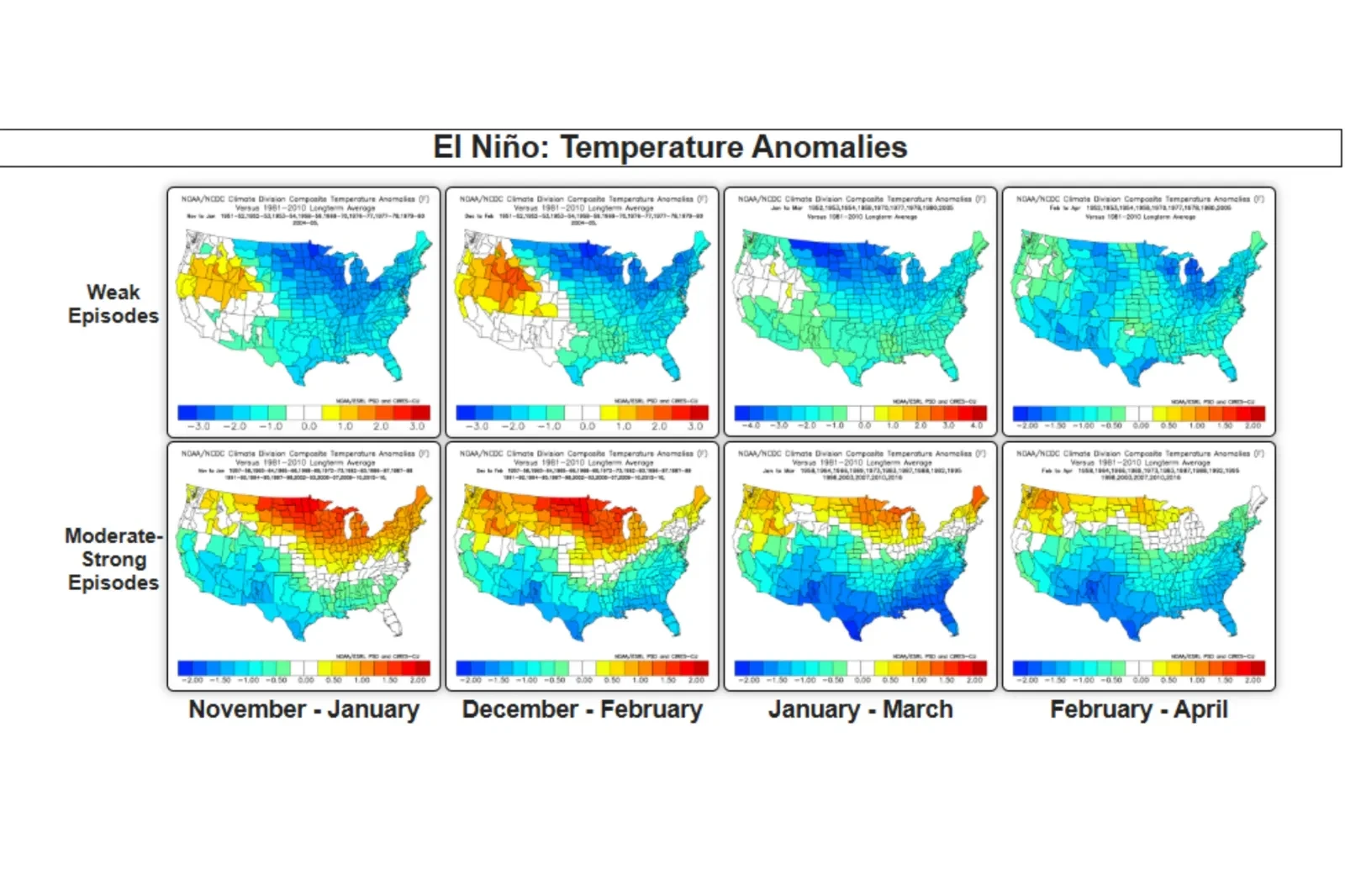
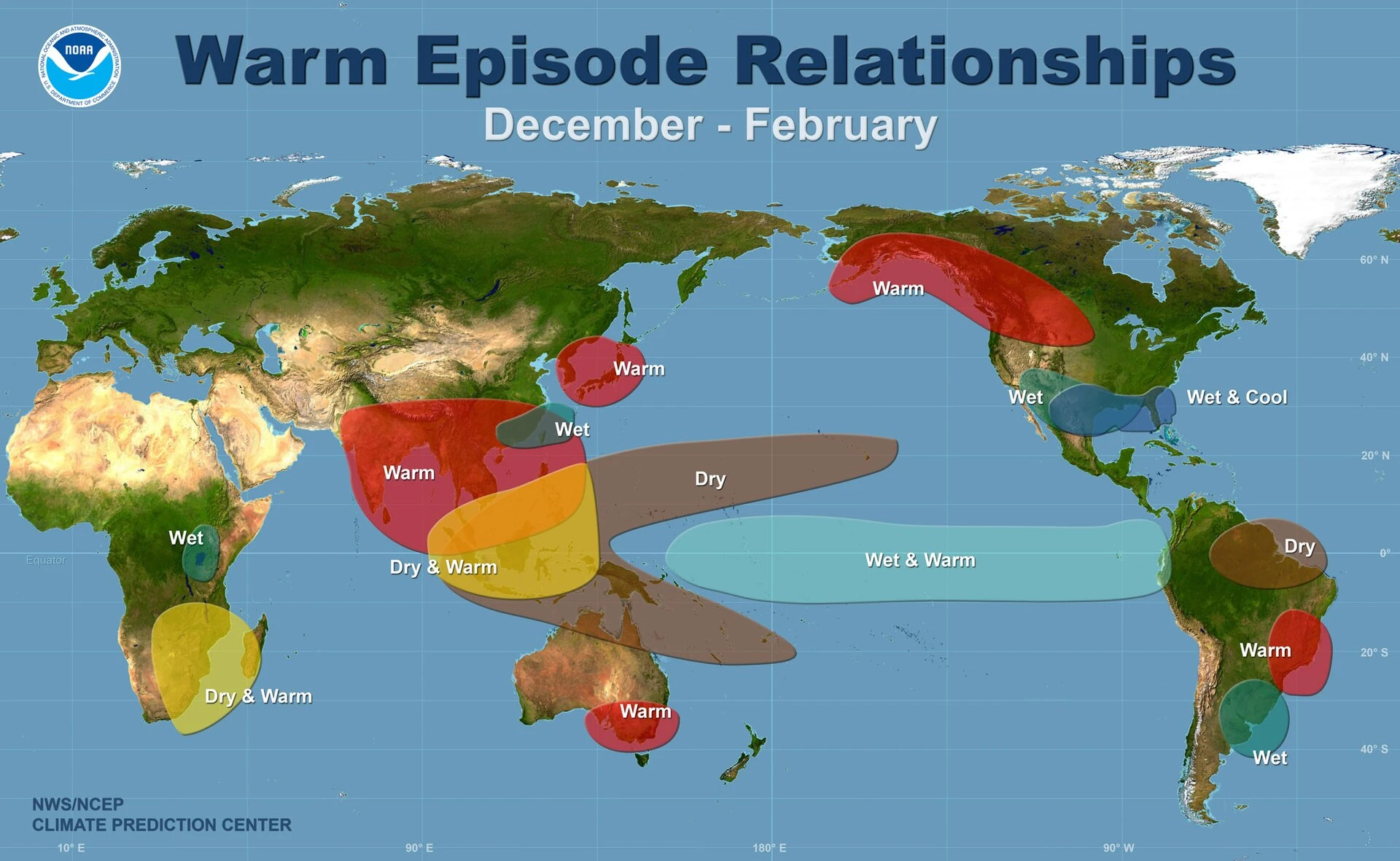
Forecasters are not saying every region will feel the same effect, and that uncertainty matters. NOAA says there is a 63% chance of a very strong El Niño during November-January, but even a strong event does not guarantee the same outcome everywhere. Still, the odds tilt toward a winter weather pattern that can push the storm track south, bring wetter conditions to the southern United States, and leave the Northern Rockies and the Ohio and Tennessee valleys drier than average, while the northern tier often trends warmer.

That shift is why El Niño is more than a Pacific Ocean story. NOAA says stronger events can influence agriculture, wildfires and fisheries worldwide, and the World Meteorological Organization warned on June 2 that developing El Niño conditions are set to influence global temperature and rainfall patterns. For the United States, the practical concern is preparedness: a wetter southern storm track can raise flood risk in California and across the southern tier, while drier conditions elsewhere can leave fuels more vulnerable heading into the next fire season. Heating demand may ease in some colder northern communities if temperatures run milder, but utility planners will still need to watch for storm-driven spikes and outage risk when heavy rain, wind and snow bands line up.
Agriculture is already on alert. FAO says El Niño typically brings below-normal rainfall in parts of Southeast Asia, especially during the June-September monsoon period in much of South Asia, and that past events have delivered severe crop damage. FAO says the 2015-16 El Niño cut rice production in Southeast Asia by about 15 million tonnes and pushed global rice prices up by as much as 16%; India’s maize output fell 4% and rice output 1% in 2015. Reuters also reported concern over yields in Southeast Asia and India, where weaker monsoon rains can hit rice, cotton, soybeans and winter wheat.
The Atlantic hurricane season is another immediate test. NOAA’s 2026 outlook, covering June 1 to November 30, gives a 55% chance of a below-average season, in part because El Niño tends to increase vertical wind shear and make it harder for major Atlantic hurricanes to organize. That does not remove the threat to coastlines, but it does change the odds that emergency managers, insurers and farmers now have to price into the months ahead as NOAA’s next ENSO update is due July 9.
Sources
- [1]usnews.com
- [2]cpc.ncep.noaa.gov
- [3]noaa.gov
- [4]community.wmo.int
- [5]fao.org
- [6]aoml.noaa.gov