Science
Nobel-winning chemist Omar Yaghi joins Tsinghua to lead AI materials institute

Tsinghua University installed Omar M. Yaghi as a full-time chair professor on July 3 and put him in charge of a new artificial-intelligence-assisted materials discovery institute, a high-profile recruitment that places one of the world’s leading chemists inside China’s drive for scientific advantage. The appointment ceremony was held at Tsinghua’s main building reception hall, with university leaders Qiu Yong and Li Luming in attendance alongside academicians and representatives from other universities.
Yaghi’s move carries weight well beyond one laboratory. He shared the 2025 Nobel Prize in Chemistry with Susumu Kitagawa and Richard Robson for the development of metal-organic frameworks, porous molecular structures that can harvest water from desert air, capture carbon dioxide, store toxic gases and catalyze chemical reactions. His work also helped establish reticular chemistry, the method of stitching molecular building blocks into custom porous structures with uses in energy, climate and industrial chemistry.
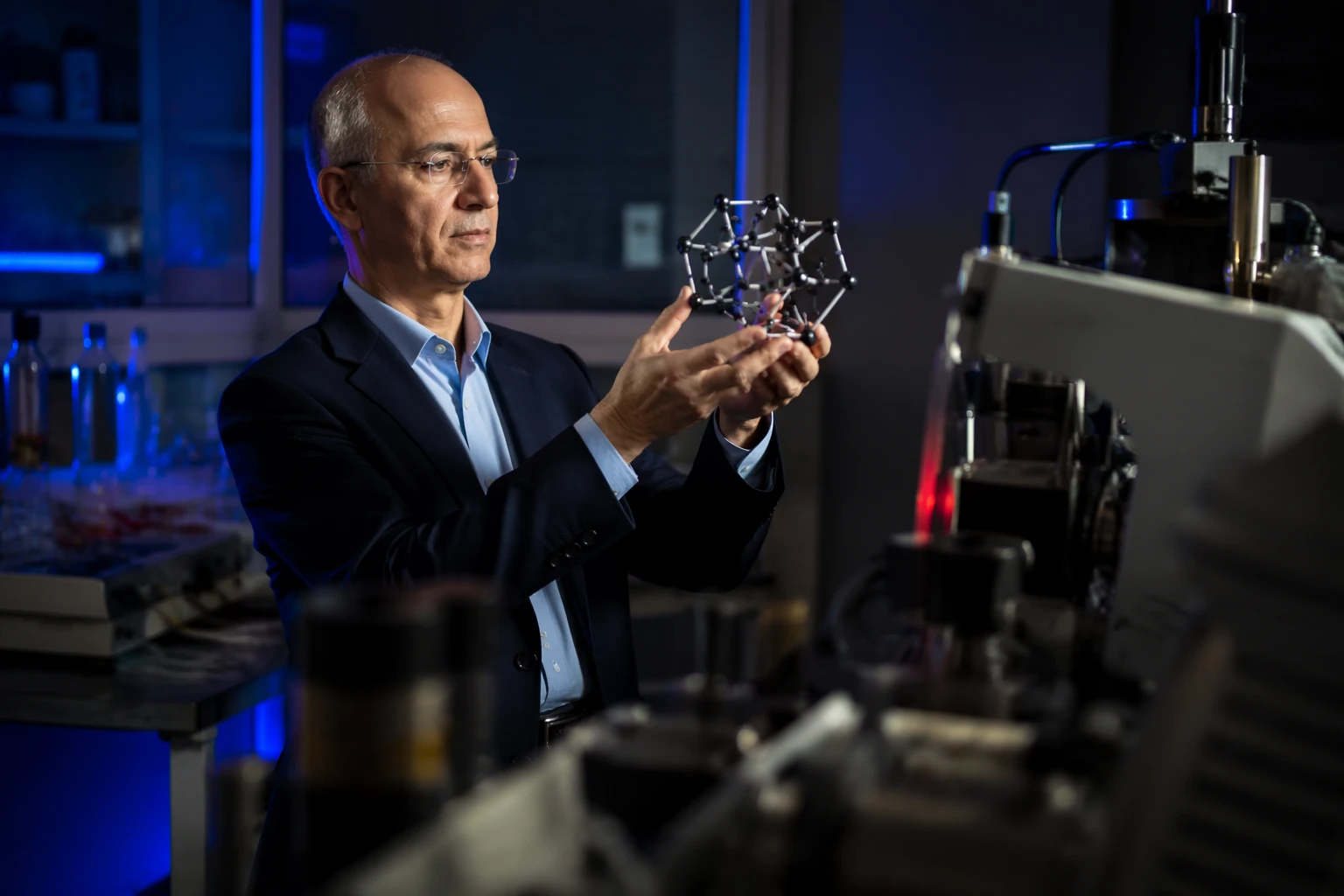
Tsinghua said the new institute will focus on AI-enabled materials design and synthesis, with the goal of shortening research and development cycles by orders of magnitude. Yaghi said at the ceremony that he hoped the work would help address water shortages, carbon neutrality and sustainable development. The fit is direct: his career has sat at the intersection of chemistry, computation and materials engineering, and the institute is built around the same convergence.
The appointment also lands at a moment when U.S. science policy is under pressure. Reporting this year on federal budgeting pointed to proposed 2026 cuts of 57% to the National Science Foundation, about 40% to the National Institutes of Health and 47% to NASA science, a package that has sharpened concern about whether the United States can keep top researchers from looking elsewhere. Yaghi, who was previously a professor at the University of California, Berkeley and was identified in recent reporting as 61 years old, now becomes a visible example of how quickly elite talent can move when another country offers scale, funding and a clear strategic mandate.
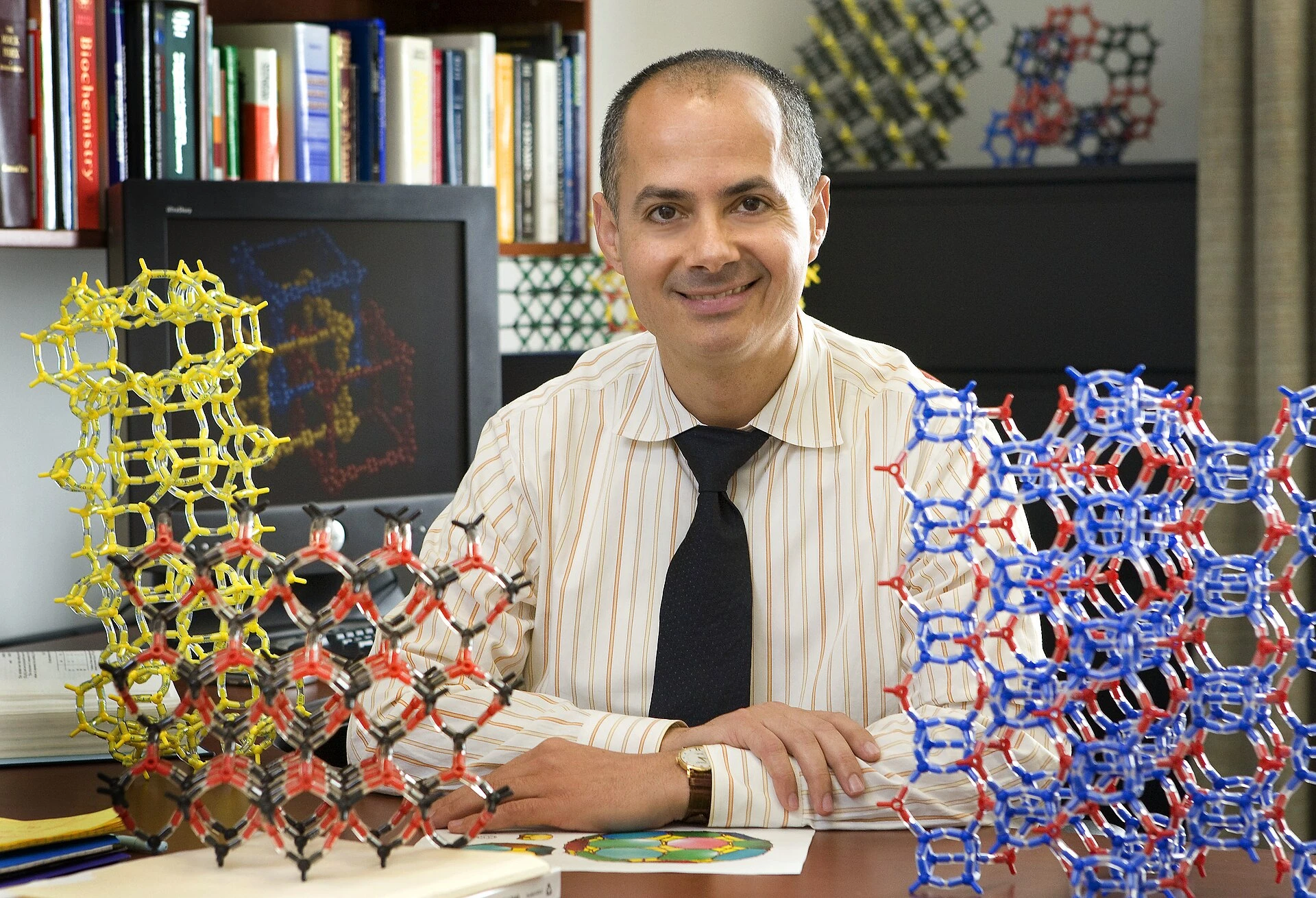
For Beijing, the hire is more than a prestige win. It is part of a broader contest to capture the scientists who can turn AI from a software tool into an engine for laboratory discovery, especially in fields tied to water security, carbon management and advanced manufacturing. For Washington, it is another warning that the race for advanced industrial know-how is being decided not only in Silicon Valley, but in chemistry labs and state-backed research institutes that are now competing on a global field.
Sources
- [1]nature.com
- [2]tsinghua.edu.cn
- [3]nobelprize.org
- [4]berkeley.edu
- [5]aps.org
- [6]english.casad.cas.cn