Health
Norovirus Outbreak Spreads Across United States
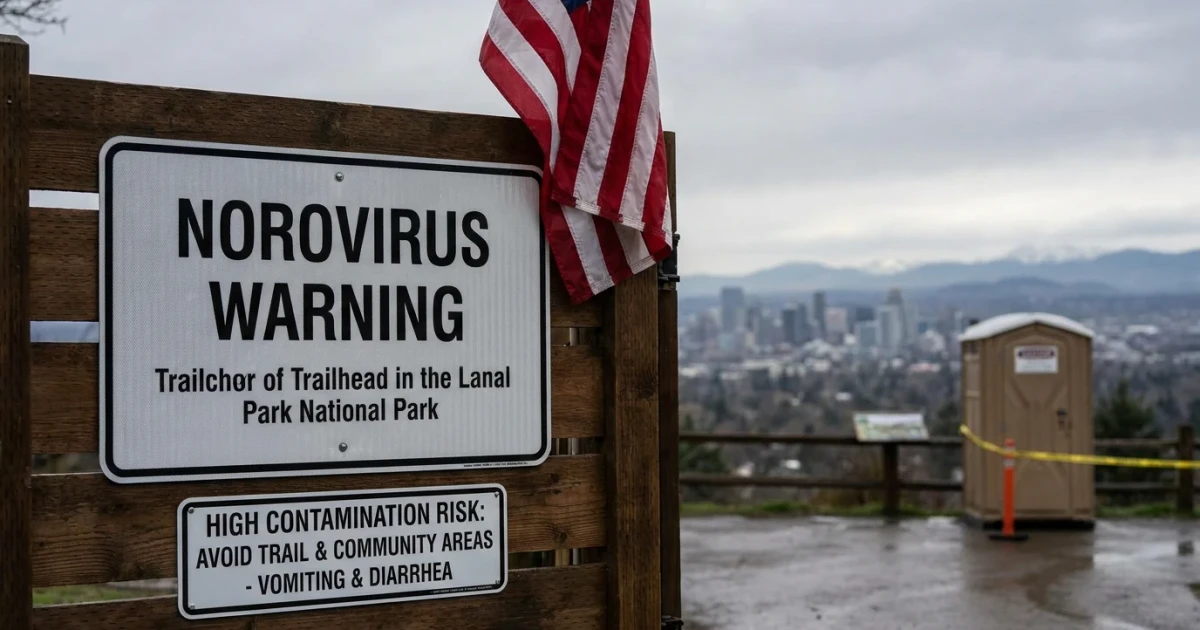
Norovirus, often referred to as the "vomiting virus," is rapidly spreading across much of the United States, according to recent updates from NBC News and public health data. The increase in cases is being felt in communities and outdoor settings alike, prompting new concerns about the annual impact of this highly contagious gastrointestinal illness.
Surge in Cases Coast to Coast
Health officials are reporting a significant uptick in norovirus outbreaks, with the Centers for Disease Control and Prevention (CDC) confirming that dozens of states are experiencing elevated activity. Data from the CDC's CaliciNet surveillance system shows clusters of cases emerging in schools, long-term care facilities, and recreational areas. This trend is consistent with previous years, but the current season's rapid spread has drawn particular attention.
- Norovirus causes an estimated 19 to 21 million illnesses each year in the U.S.
- There are approximately 465,000 emergency department visits annually, primarily affecting young children and older adults.
- Norovirus is the leading cause of vomiting and diarrhea outbreaks nationwide, according to the CDC's outbreak summaries.
Outbreaks Along the Pacific Crest Trail
Concerns are especially high among the hiking community after the Victorville Daily Press reported that dozens of hikers fell ill near Wrightwood, California, along the popular Pacific Crest Trail. Symptoms reported include severe vomiting, diarrhea, stomach pain, and dehydration—classic signs of norovirus infection. The rapid transmission among hikers highlights how easily the virus can spread in group settings with shared resources and limited sanitation.
How Norovirus Spreads and Its Impact
Norovirus is notorious for its ability to spread quickly through contaminated food, water, surfaces, or direct contact with an infected person. According to the CDC's overview, even tiny amounts of virus particles are enough to cause illness, and individuals can remain contagious for days after symptoms subside. Outbreaks often occur in places where people are in close quarters, such as cruise ships, schools, and camps.
- Symptoms typically develop 12-48 hours after exposure and last for 1-3 days.
- Most people recover without medical treatment, but dehydration can be severe, especially for vulnerable groups.
- The virus is responsible for hundreds of deaths each year, primarily among the elderly, as detailed in peer-reviewed research.
Prevention and Public Health Guidance
With outbreaks on the rise, public health officials are urging Americans to take simple but effective preventive steps:
- Wash hands thoroughly with soap and water, especially after using the restroom or before eating.
- Disinfect surfaces and wash contaminated clothing promptly.
- Stay home when experiencing symptoms to avoid spreading the virus.
- Avoid preparing food for others while sick and for at least two days after symptoms stop.
There is currently no vaccine for norovirus, and the best defense remains vigilant hygiene and isolation of ill individuals. The CDC continues to monitor outbreaks and provide guidance as the situation develops.
Looking Ahead
As the norovirus season peaks, communities and travelers alike are being reminded of the virus’s resilience and the critical role of prevention. With cases rising across the country and in high-traffic recreational areas, prompt reporting and adherence to health recommendations will be essential to limiting the spread in the weeks ahead.