Health
North Carolina farmers see produce sales rise amid cyclosporiasis outbreak
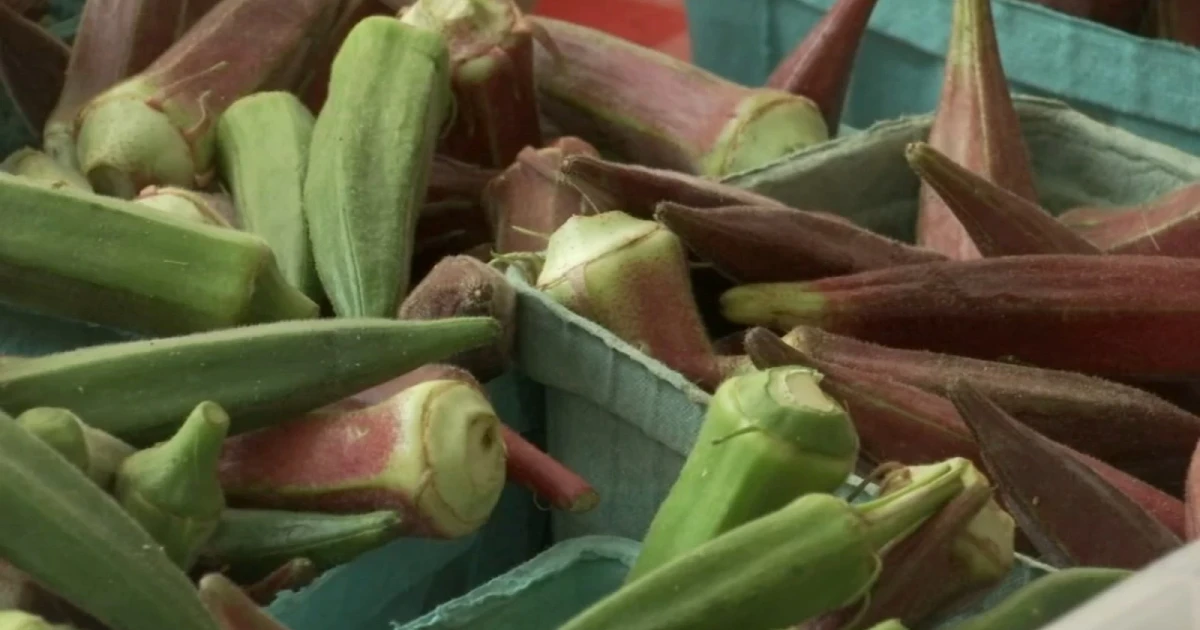
Shoppers have been turning to locally grown produce at Raleigh’s State Farmer’s Market as North Carolina health officials investigate a cyclosporiasis outbreak that had climbed to more than 300 reported cases statewide. The buying shift has come even as investigators have not identified a specific grower, supplier or produce type as the source.
North Carolina health officials said July 14 that the state was seeing an increase in cyclosporiasis cases, a parasitic illness that can contaminate fresh produce. By July 17, more than 300 cases had been reported statewide, with Wake County recording the highest number of infections. Wake County added 30 more diagnoses that day, bringing its total to 270, while WRAL’s health coverage earlier in the week put North Carolina at at least 205 cases since May 1, including more than 180 in Wake County.
The absence of a named source appears to be shaping consumer behavior as much as the outbreak itself. NC State Extension said the CDC had reported 1,645 confirmed domestic cyclosporiasis cases since May 1 and was tracking more than 5,100 additional cases that still needed investigation. That wider national picture, combined with the local uncertainty, has pushed some shoppers toward sellers they can question directly about growing practices and handling.
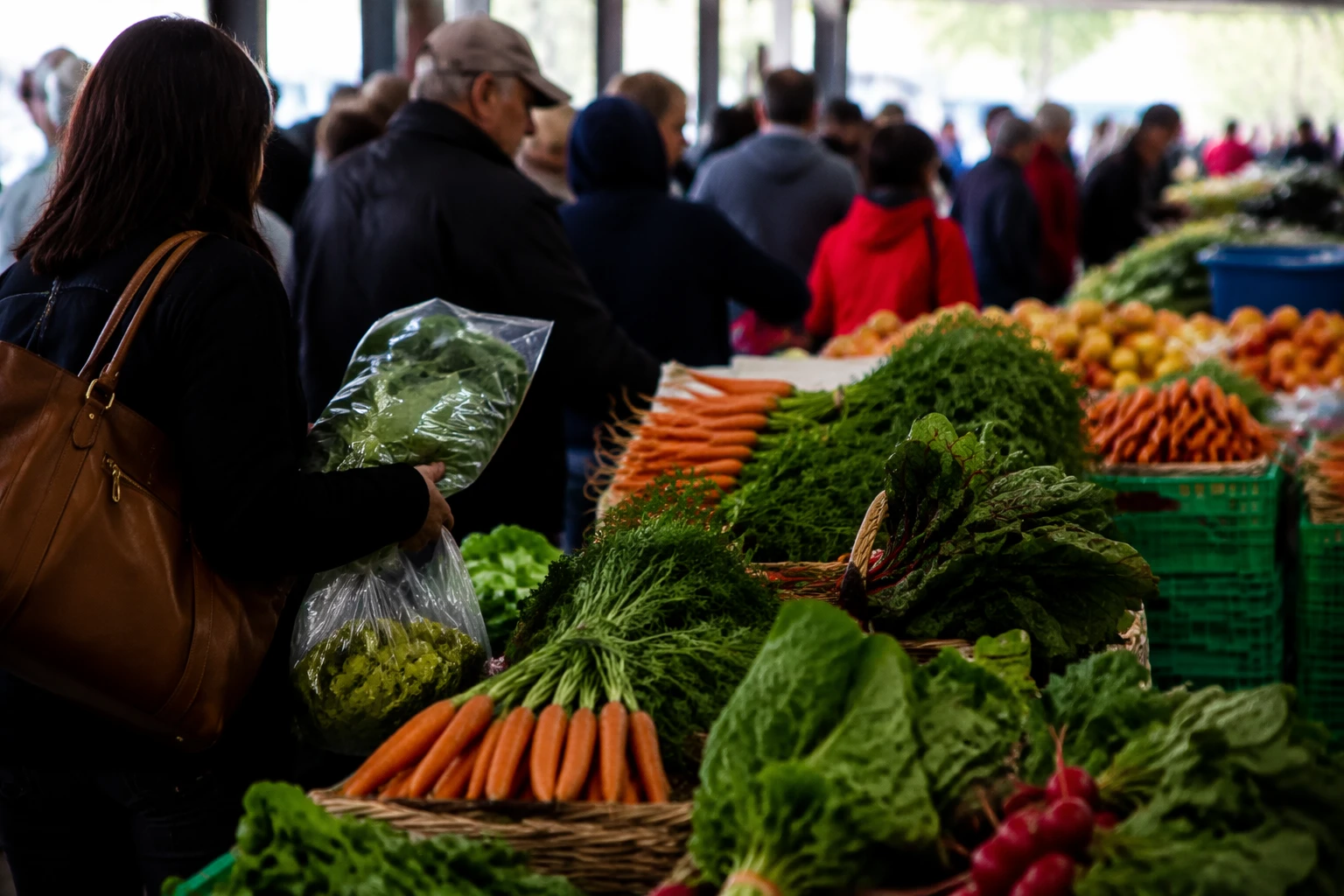
The pattern fits a familiar response in a state where produce scares have hit before. In 2024, more than 130 cases were tied to at least three Wake County restaurants, a reminder that foodborne illness clusters can quickly alter how people buy food long after the immediate outbreak fades. Public health officials have also said North Carolina’s cases were not connected to a separate five-state iceberg lettuce outbreak tied to Taco Bell, leaving the state’s current cluster distinct and unresolved.
Wake County Public Health has posted local cyclosporiasis information, and county health officials have said some local updates included hospitalization reports. For North Carolina farmers selling direct to consumers, that uncertainty has translated into a sales bump at markets where buyers can see the farm name, ask about spraying and washing practices, and decide for themselves whether a more local supply chain feels safer than a larger, anonymous one.
Sources
- [1]news.google.com
- [2]wral.com
- [3]ncdhhs.gov
- [4]ncfreshproducesafety.ces.ncsu.edu
- [5]abc11.com
- [6]cdc.gov