Health
North Dakota program fights rural senior isolation with neighbor support
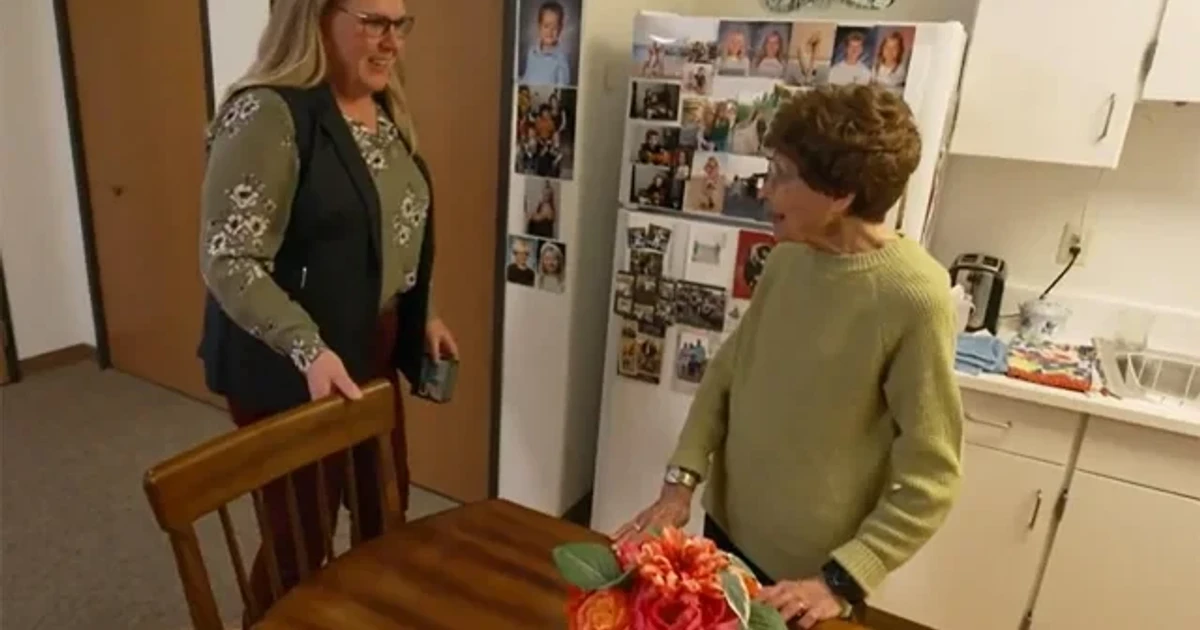
North Dakota State University Extension’s Aging in Community program is built around a simple but stubborn reality: many older adults in rural North Dakota want to stay in their own homes and communities as long as possible, but getting health care and other resources can be difficult when distance is measured in miles and not blocks. Two-thirds of North Dakota’s counties are designated as frontier counties, with fewer than six residents per square mile, a level of sparsity that can turn isolation into a daily condition rather than an occasional feeling.
That matters because loneliness and social isolation are not just emotional burdens. The Centers for Disease Control and Prevention links them to heart disease, stroke, type 2 diabetes, depression, dementia and premature mortality, and the Office of the U.S. Surgeon General’s 2023 advisory described them as major public-health concerns. In North Dakota, nearly one in three residents age 65 and older live alone, a pattern that increases the risk of isolation, self-neglect, physical decline and reduced well-being.
Aging in Community is aimed at keeping older adults in place by strengthening the connections around them. NDSU Extension says the program is designed to help rural seniors remain independent while improving access to health care and other support in rural areas. An NDSU Extension impact story describes the project as bringing care to rural communities, underscoring that the fix is not only medical but also social and geographic: make it easier for neighbors, families and local systems to reach people where they live.
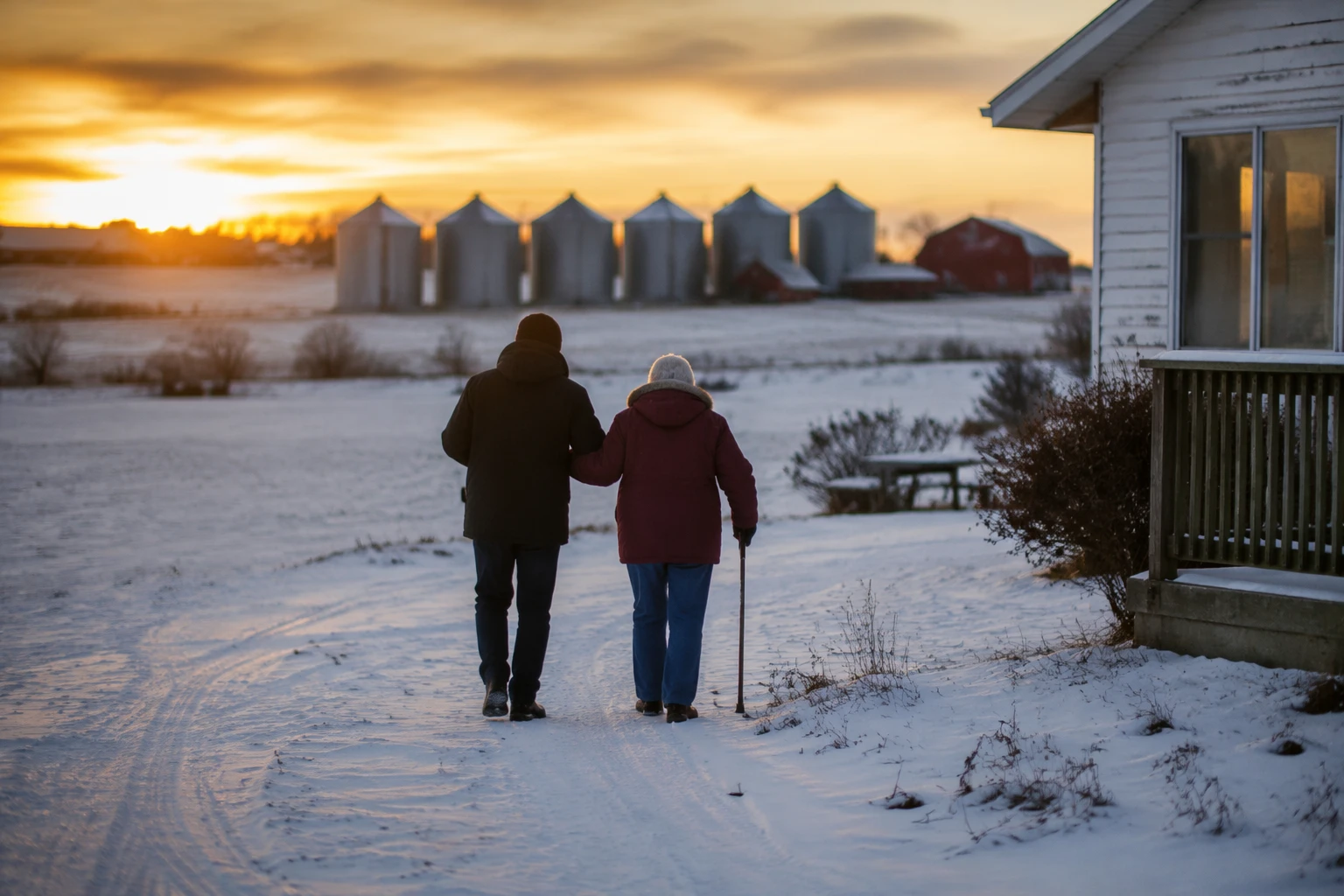
North Dakota’s own aging policy reflects that broader approach. The state’s Adult and Aging and Home and Community-Based Long Term Care programs support older residents who want to remain at home, and both the 2022-2026 State Plan on Aging and the 2026-2030 draft State Plan on Aging keep aging services on the policy agenda. That institutional focus matters in a state where the problem is not just whether someone has a doctor, but whether the system can keep a person connected enough to avoid sliding into isolation.
The national conversation has moved in the same direction. The Rural Health Information Hub published a 2024 discussion of social infrastructure as a response to loneliness and isolation in rural America, while a University of North Dakota scholarly project in 2018 reviewed community aging-in-place programs meant to minimize social isolation among older adults. A 2025 review of rural older adults continued to examine prevention strategies in aging-in-place settings. Taken together, the research points to the same conclusion: rural loneliness is a health issue, but it is also an infrastructure problem, one that only gets solved when communities build the ties that let older adults remain visible, supported and at home.
Sources
- [1]cbsnews.com
- [2]ndsu.edu
- [3]hhs.nd.gov
- [4]cdc.gov
- [5]odphp.health.gov
- [6]ruralhealthinfo.org
- [7]commons.und.edu
- [8]landgrantimpacts.org
- [9]pmc.ncbi.nlm.nih.gov