World
North Korea condemns U.S. missile sale to South Korea, vows deterrent boost

North Korea has turned a U.S. missile sale to South Korea into the latest flashpoint in the peninsula’s deterrence cycle, condemning Washington’s approval of advanced air-to-air missiles and warning that it will respond by strengthening its own military posture. The move, meant in Washington to reassure an ally, instead gave Pyongyang another opening to portray U.S.-South Korea cooperation as an escalating threat.
The U.S. State Department on June 10 approved a possible Foreign Military Sale to South Korea worth an estimated $292 million. Seoul requested 70 AIM-120C-8 Advanced Medium Range Air-to-Air Missiles and 2 AIM-120C-8 AMRAAM guidance sections. The department said the sale would not alter the basic military balance in the region and said it would support U.S. foreign policy and national security by improving South Korea’s defense capability.
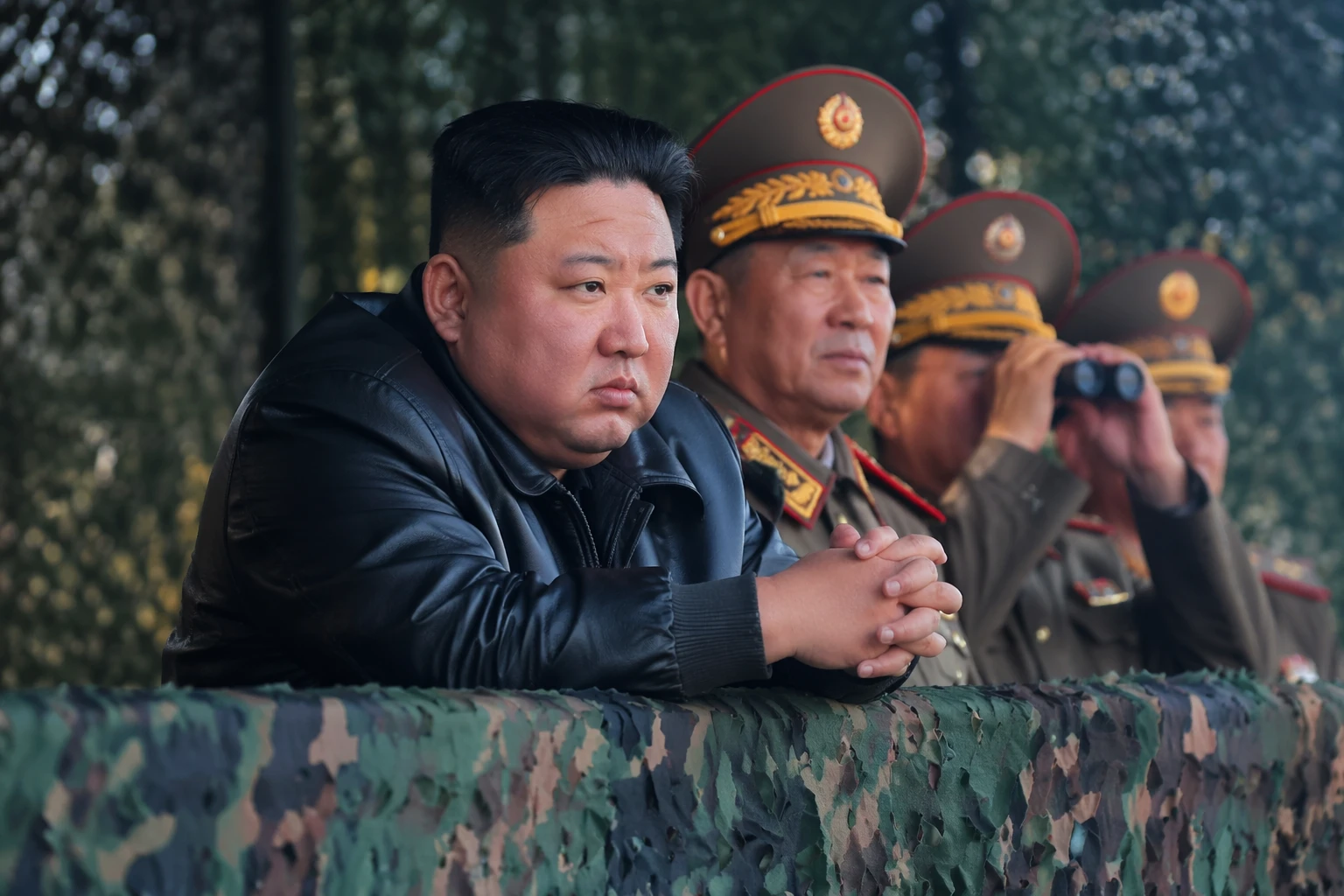
North Korea’s foreign ministry, in a statement carried by state media KCNA, said the approval would worsen tensions on the Korean peninsula. It argued that U.S. arms exports amount to war exports and said the alliance between Washington and Seoul was being systematically strengthened despite international concern about rising tension around the peninsula. The ministry’s director-general for external policy said Pyongyang would continue to strengthen its own self-defensive deterrent to maintain the regional balance of power.

The reaction also folded in a broader diplomatic dispute. On June 10 in Brussels, South Korean President Lee Jae Myung met European leaders at the 11th EU-Republic of Korea summit, where the joint statement condemned North Korea’s military cooperation with Russia and expressed grave concern over Pyongyang’s nuclear and ballistic missile programs. North Korea said that language violated its sovereignty, underscoring how the missile sale and the European diplomacy fed into the same narrative in Pyongyang’s view: that Washington, Seoul and their partners are tightening pressure from multiple directions.
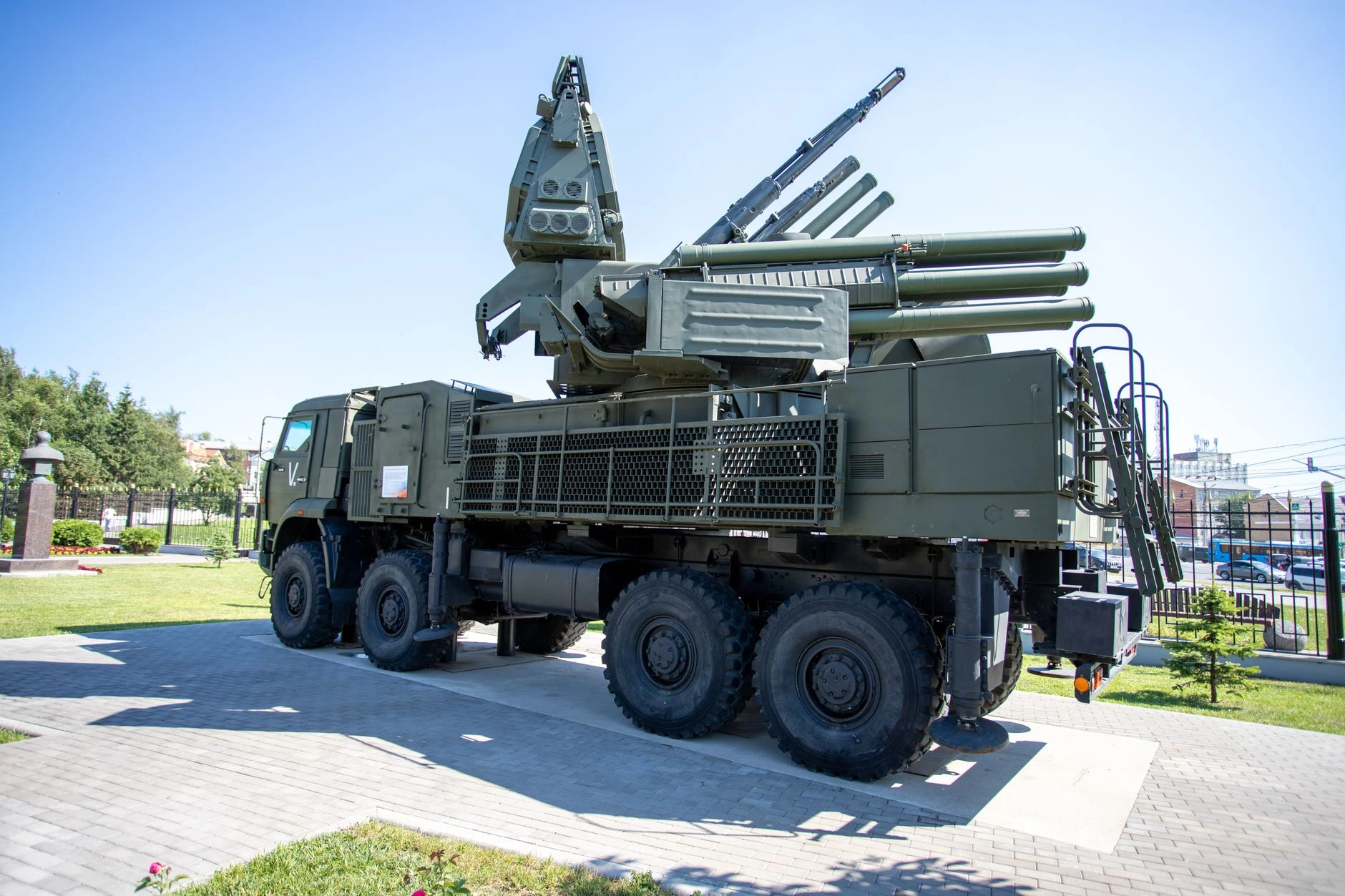
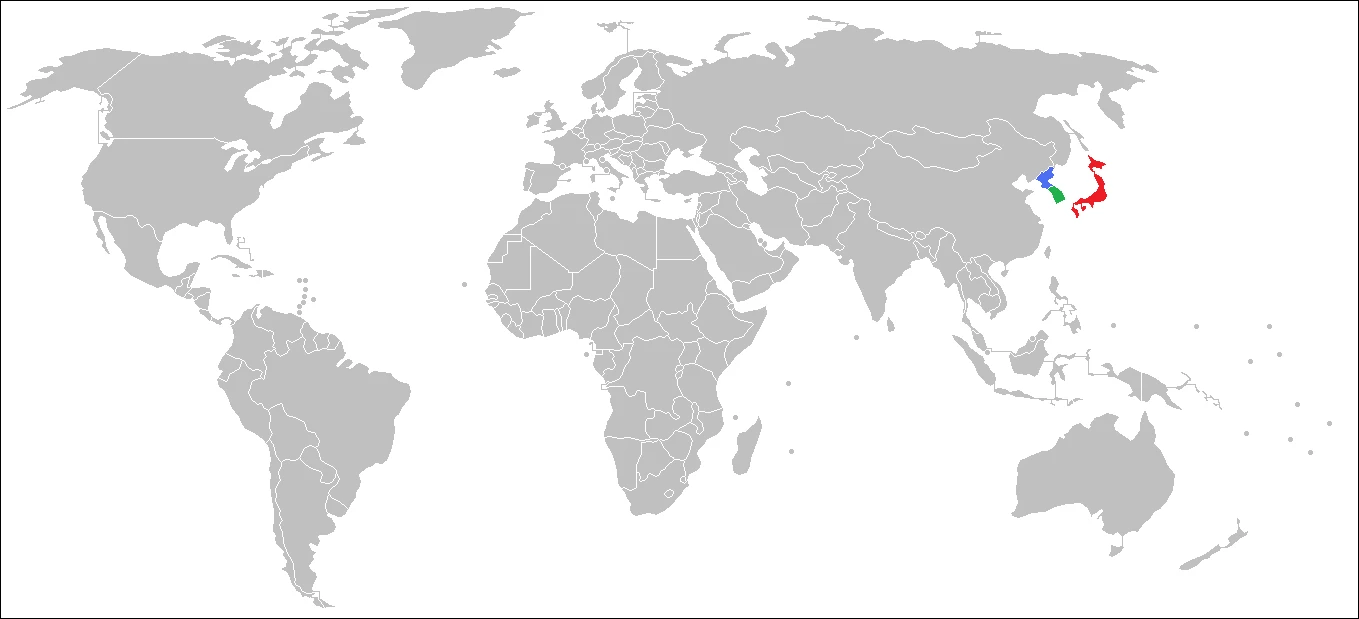
That framing matters because North Korea has been especially sensitive to the Russia issue. Reuters-linked reporting in April said Moscow and Pyongyang agreed to long-term military cooperation, a development that has raised alarms in Seoul, Brussels and Washington. Against that backdrop, even a conventional missile package can reverberate far beyond the arms market, feeding military signaling, alliance reassurance and retaliatory rhetoric at the same time.
Sources
- [1]usnews.com
- [2]state.gov
- [3]consilium.europa.eu
- [4]yna.co.kr
- [5]stripes.com
- [6]dwc.com