World
North Korea denounces NATO summit, warns of alliance escalation
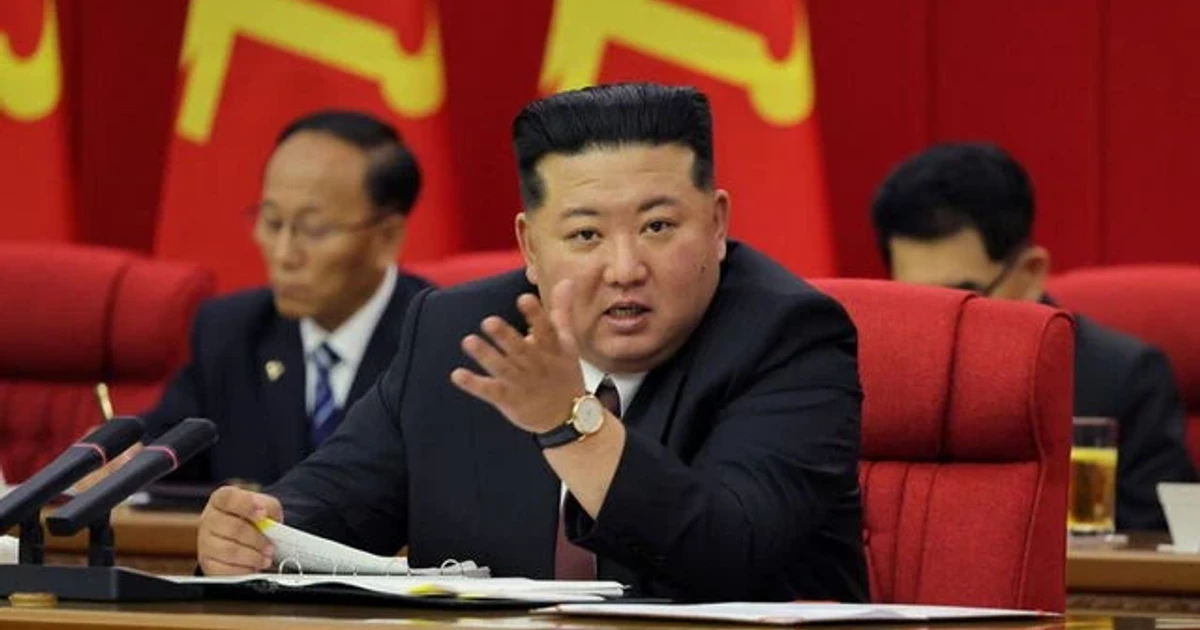
North Korea condemned the United States and its allies after the NATO summit in Ankara, accusing them of strengthening military blocs and speeding up arms buildups. In a statement carried by KCNA, the foreign ministry said North Korea would “safeguard its sovereignty” and security interests through what it called the responsible exercise of its sovereign rights.
The rebuke landed against the backdrop of the July 7-8 NATO summit in Türkiye, where the alliance said it reaffirmed Article 5 collective defense and highlighted higher defense investment and deeper cooperation with partners. NATO’s outreach again included its Indo-Pacific Four partners, Australia, Japan, New Zealand and the Republic of Korea, a widening network that Pyongyang has long treated as part of a hostile containment strategy.
Japan’s Foreign Ministry said NATO Secretary General Mark Rutte and the IP4 discussed Russia’s war in Ukraine, Indo-Pacific security, North Korea policy and Iran. The same talks agreed to strengthen cooperation in defense industry, cyber and technology, signaling that NATO’s agenda now reaches well beyond the Euro-Atlantic region and into the security politics of Northeast Asia.
That wider reach was also visible on the summit sidelines, where South Korea, the United States and Japan held trilateral foreign ministers’ talks and reaffirmed denuclearization of the Korean Peninsula. The three governments also focused on cooperation against North Korea’s illicit cyber activities, which Seoul says help finance Pyongyang’s nuclear and missile programs.
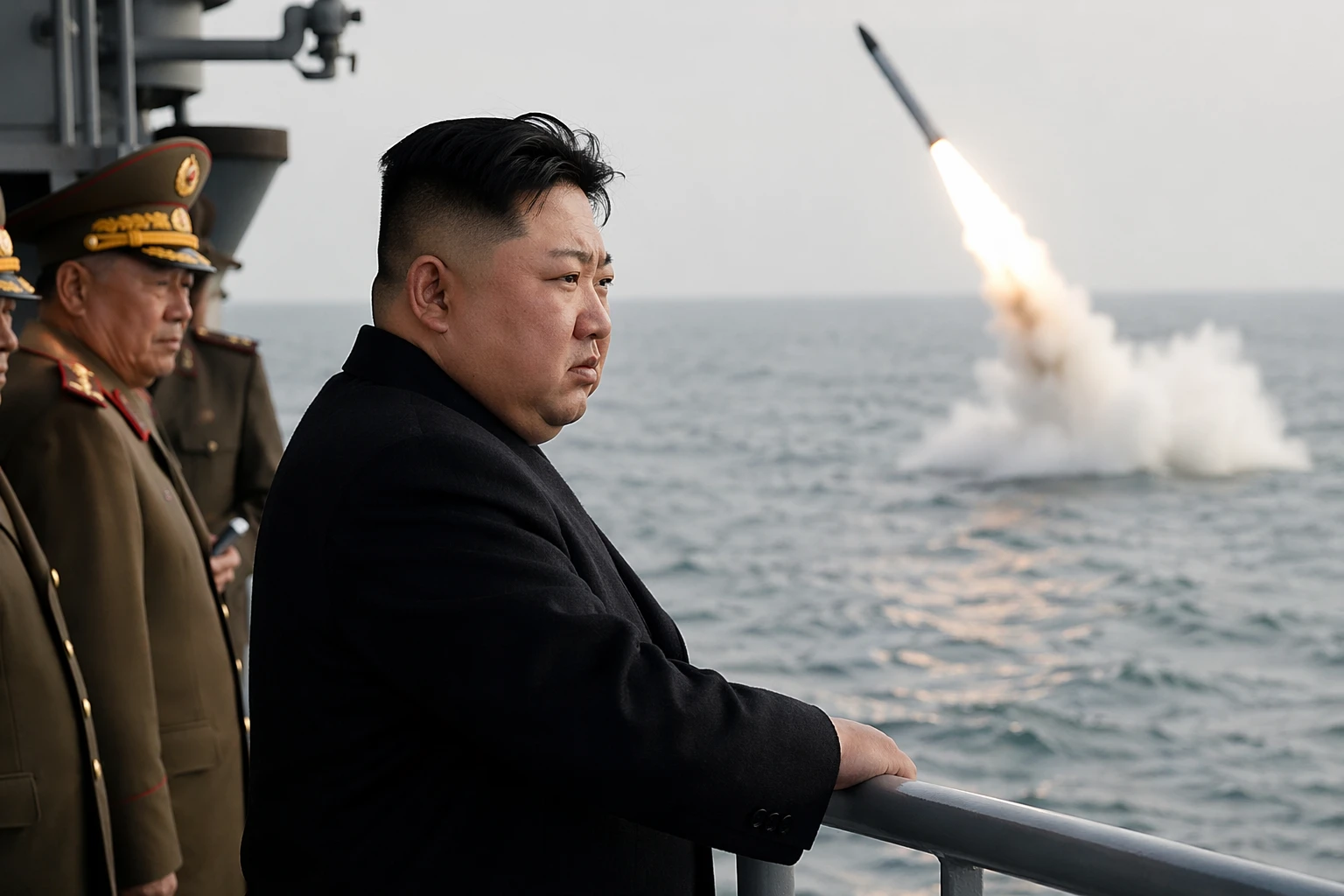
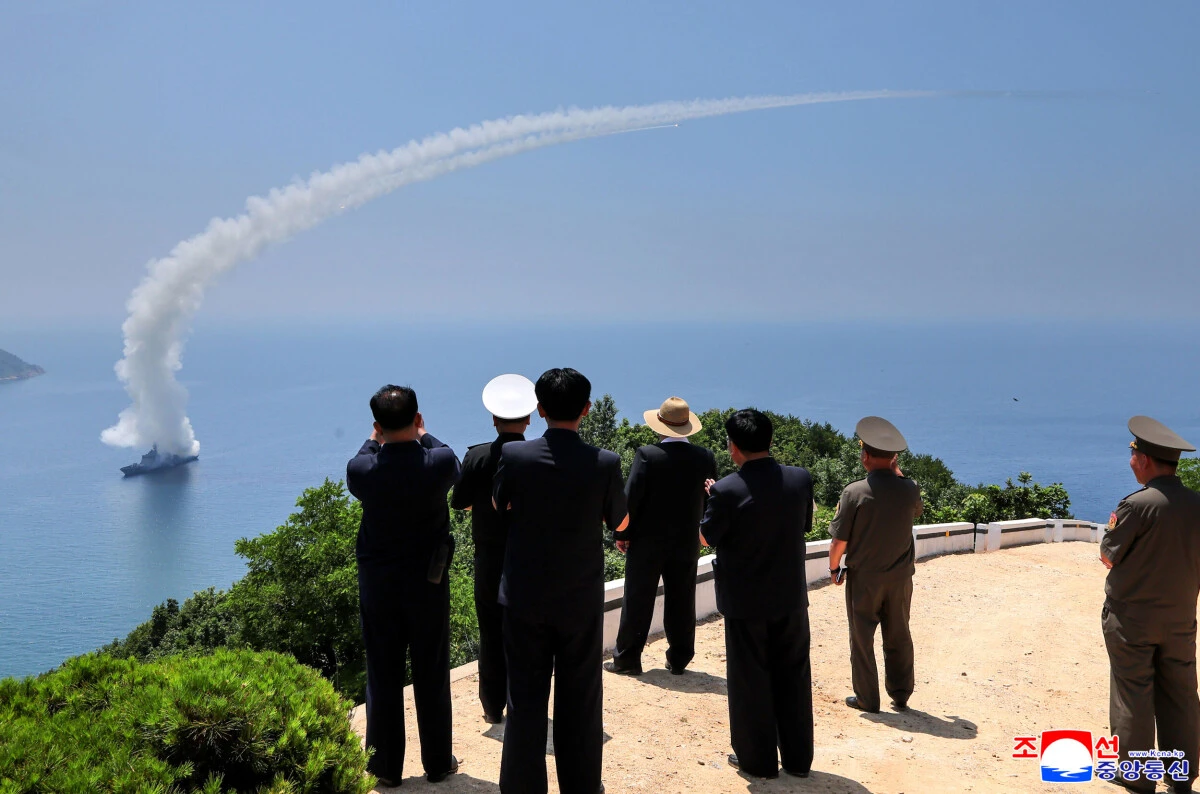
The timing sharpened the message from Pyongyang. Just one day earlier, KCNA reported that Kim Jong Un had overseen tests aboard the new naval destroyer Kang Kon, including the launch of a strategic cruise missile and evaluations of anti-ship, anti-submarine and air-defense systems. The juxtaposition underscored a familiar North Korean pattern: denounce allied coordination as escalation while presenting its own weapons work as defensive.
North Korea has used the same playbook before. In 2024, it condemned NATO’s Washington Summit Declaration as hostile and said it was fueling a new Cold War. The latest statement follows that line closely, using a European alliance meeting to justify a broader military posture and to argue that Washington, Seoul and Tokyo are the ones driving regional instability.
Sources
- [1]usnews.com
- [2]nato.int
- [3]mofa.go.jp
- [4]upi.com
- [5]marketscreener.com