World
North Korea fires short-range ballistic missile, raising regional tensions
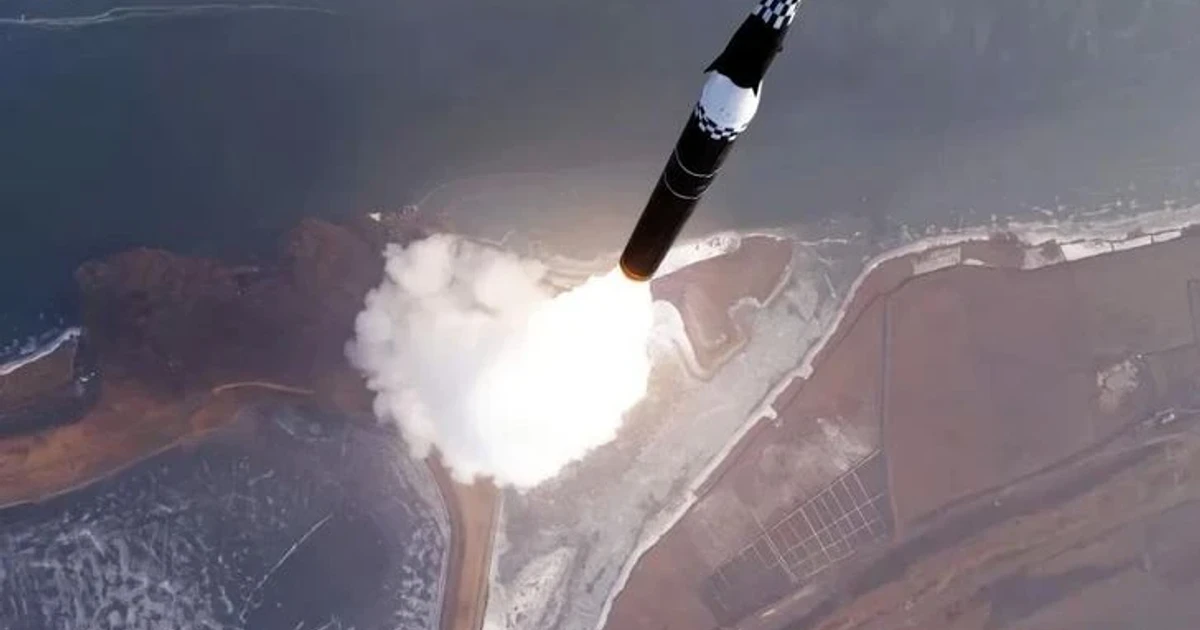
South Korea said North Korea fired a short-range ballistic missile toward the sea off the peninsula’s eastern coast on Aug. 6, adding another test to a cycle of escalation that has not produced a diplomatic breakthrough. Japan said it detected no immediate impact from the launch.
The immediate military response was familiar: South Korea said it was strengthening surveillance, while U.S. officials said they were aware of the launch, consulting closely with allies and reaffirming defense commitments to South Korea and Japan. One U.S. statement said the missile posed no immediate threat, but the launch still forced a fresh round of monitoring and coordination across the region.
The timing sharpened the tension. The launch came just days before annual U.S.-South Korea military drills were set to begin, a calendar that Pyongyang has often treated as a provocation. A short-range missile does not shift the strategic balance on the Korean Peninsula, but it does test response times, remind Seoul and Washington that North Korea can still threaten targets nearby, and keep pressure on neighbors that have no clear diplomatic opening to exploit.
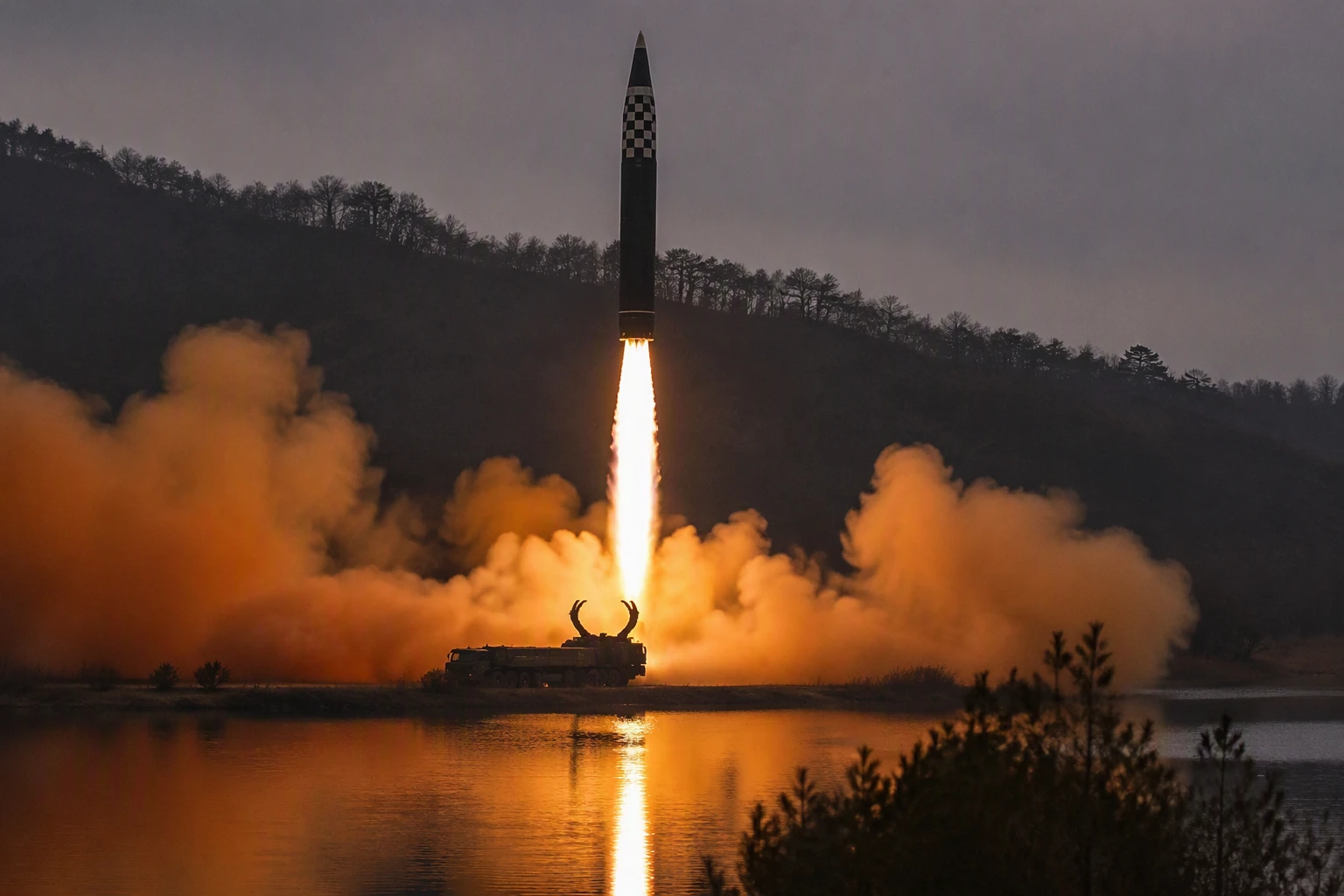
North Korea’s latest move also fits a broader pattern under Kim Jong Un. The Council on Foreign Relations’ North Korea Crisis tracker says the country’s nuclear and ballistic missile programs pose an acute threat to South Korea and Japan, and recent reporting has tied those systems to wider conflict beyond the peninsula. Reuters reported on July 30 that Russia likely used a North Korean missile in a strike in Ukraine that killed five members of the same family, and Reuters reported on Aug. 5 that Kyiv said a North Korean missile unit had been deployed to Russia for the war.
That wider backdrop matters for Seoul, Tokyo and Washington because each launch now carries both regional and international weight. South Korea and Japan are left to balance deterrence, air-defense readiness and alliance coordination, while North Korea keeps signaling that it is willing to conduct provocative tests even as diplomacy remains stalled. The practical response options remain limited to closer surveillance, visible military coordination and sustained pressure, which is exactly why each short-range launch raises tension without changing much on the ground.
Sources
- [1]reuters.com
- [2]straitstimes.com
- [3]wtop.com
- [4]cfr.org
- [5]asia.nikkei.com
- [6]english.alarabiya.net