World
North Korea says denuclearisation is permanently over after Seoul talks
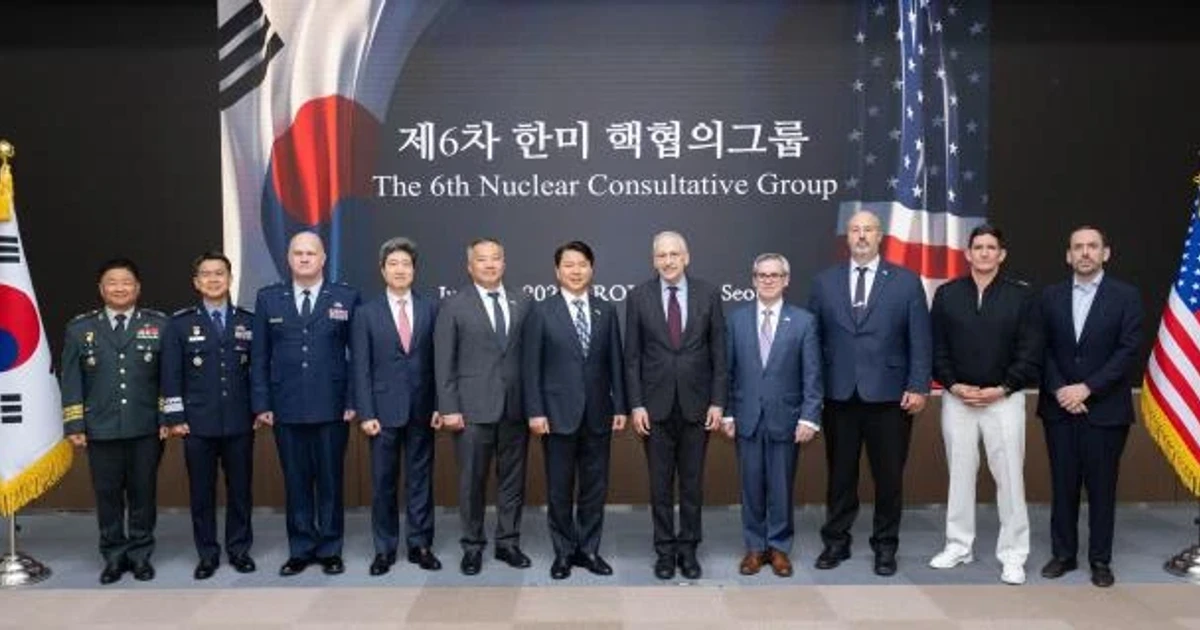
North Korea has declared denuclearisation “terminated irreversibly,” a blunt message that undercuts years of diplomacy and points to a harder reality for the United States and South Korea. The statement turned a familiar demand into a closed door, arriving just after the allies reaffirmed denuclearizing North Korea as their shared goal in Seoul.
The timing sharpened the political impact. On June 11, U.S. and South Korean officials held the sixth meeting of the Nuclear Consultative Group in Seoul, where they discussed strengthening nuclear deterrence and readiness against North Korea’s expanding weapons programme. The two allies also reaffirmed the U.S. nuclear umbrella for South Korea, signaling that deterrence coordination remains central even as Pyongyang rejects the premise of future talks.
The North’s statement also landed after Xi Jinping’s June visit to North Korea, his first trip there in seven years and his first international visit in 2026. Chinese and North Korean readouts from that summit reportedly omitted direct reference to denuclearisation, and South Korea’s Foreign Ministry reiterated afterward that denuclearisation of the Korean Peninsula remained its goal. That sequence left Beijing under fresh scrutiny as Washington and Seoul pressed ahead with alliance coordination and Pyongyang signaled it would not return to the old diplomatic script.
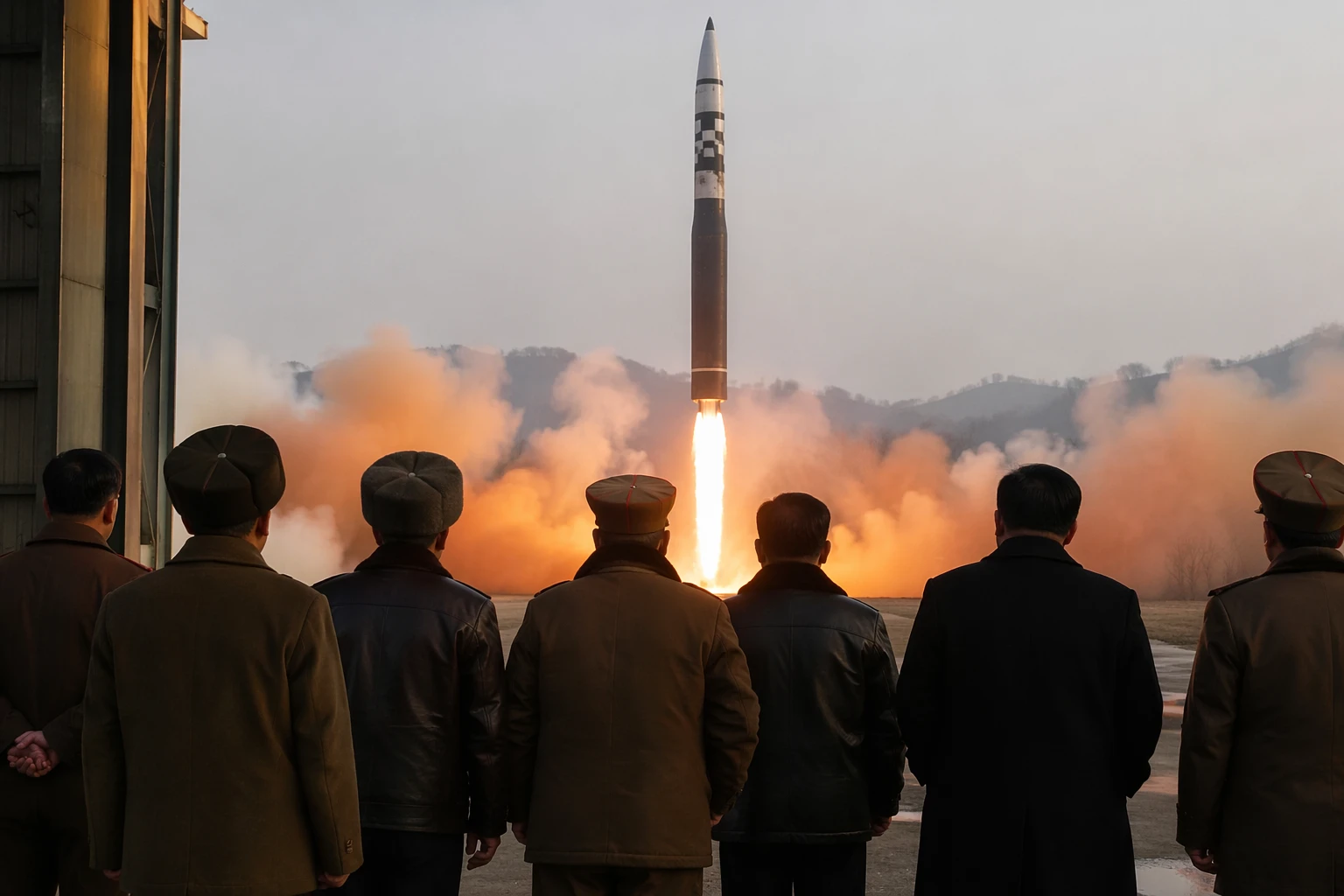
This was not the first warning. In early June, Kim Yo Jong called U.S. denuclearization demands an “anachronistic dream” and said North Korea would steadily expand its nuclear arsenal in response to U.S.-led threats. In September 2023, North Korea’s Supreme People’s Assembly revised the constitution to make strengthening nuclear forces a permanent state policy, a legal move that made the latest statement look less like a burst of rhetoric than a continuation of state doctrine.
For Washington and Seoul, the strategic problem is now clearer. The language of denuclearization still anchors alliance diplomacy, but North Korea’s actions suggest it is trying to foreclose the very premise of reversing its nuclear status. That shifts the burden onto deterrence: how to reinforce extended nuclear protection for South Korea, manage escalation risks, and sustain allied cohesion when Pyongyang treats its arsenal as permanent.
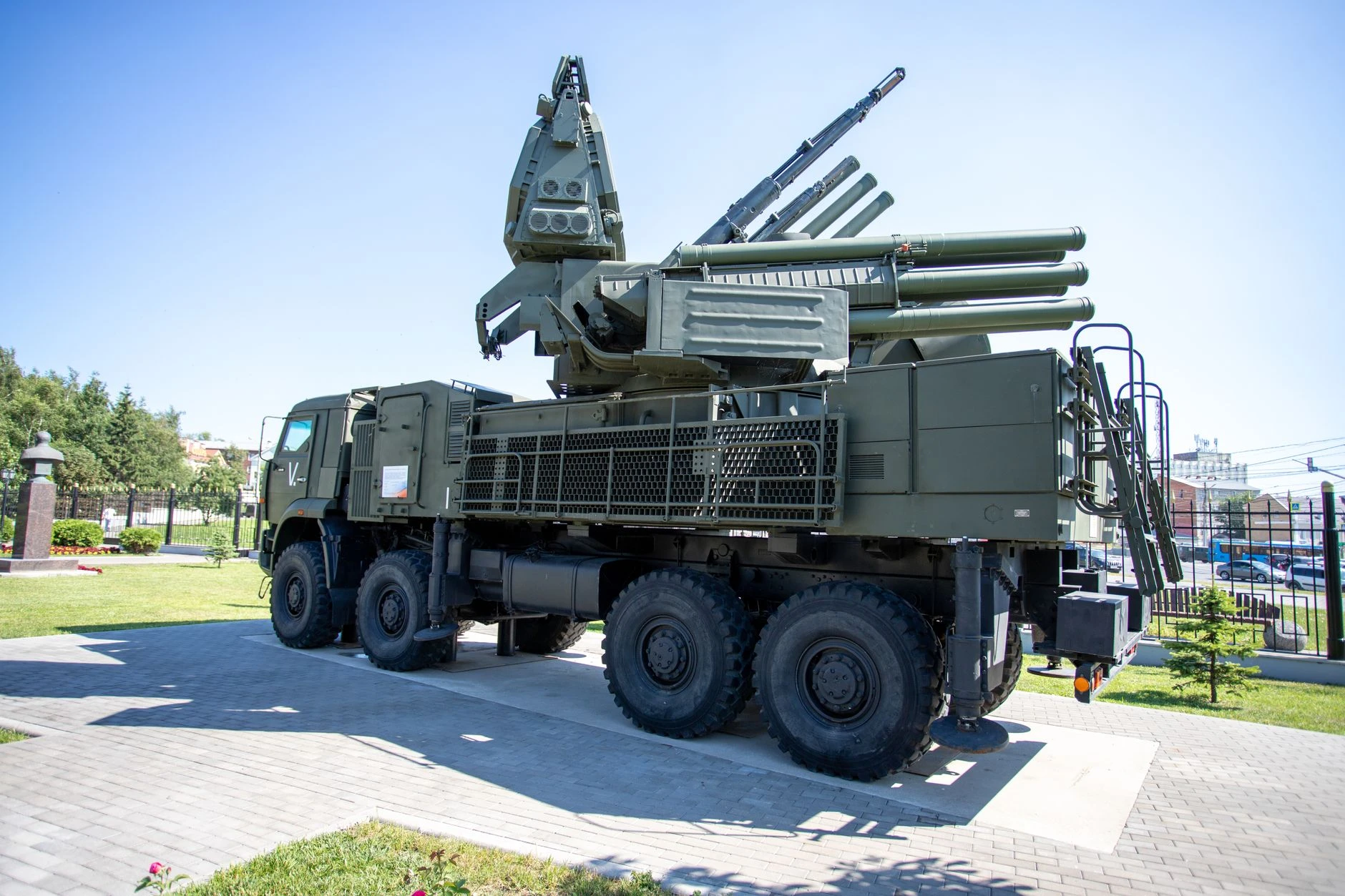
The NCG meeting in Seoul showed that the alliance is not backing away from its stated goal, and both governments continue to plan for the second half of 2026. But North Korea’s latest declaration, backed by a constitutional change and weeks of public warnings, signals a tougher era in which policymakers may need to plan around a nuclear North Korea rather than assume diplomacy can unwind it.
Sources
- [1]news.google.com
- [2]usnews.com
- [3]war.gov
- [4]en.yna.co.kr
- [5]nknews.org
- [6]politico.com