World
North Korea’s pandemic controls deepened repression, rights group says
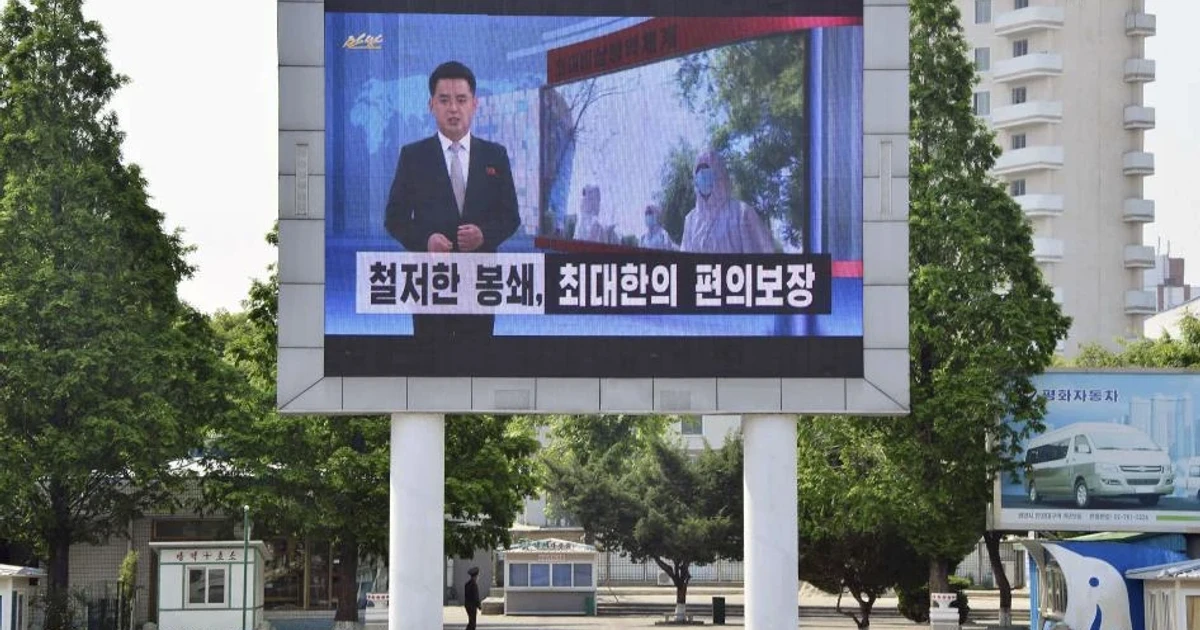
North Korea’s pandemic-era border clampdown left people with less food, less movement and fewer ways out, Human Rights Watch said, even as one family fled by sea carrying an urn of a dead father’s ashes. The group said the controls deepened a long-running system that relied on executions, torture, arbitrary detention, imprisonment, enforced disappearances and forced labor.
Mr. Kim’s escape showed how narrow those routes out had become. BBC News reported that he fled North Korea by sea with his pregnant wife, his mother, his brother’s family and the ashes of his father. The family were the first people to have fled the country that year, a sign of how tightly the state had sealed its borders after COVID-19 reached the region.
Human Rights Watch said the pandemic deepened restrictions on movement, employment and food, making ordinary travel and escape even harder. That mattered inside the country as well as at the shoreline: people lived through a crippling food shortage while the government kept control through a security apparatus built on surveillance, punishment and fear.

The rights group also said a 2014 United Nations Commission of Inquiry found that North Korea had committed systematic, widespread and gross human rights violations that amounted to crimes against humanity, and that those findings remained valid. North Korea still ranked among the most repressive countries in the world, and the U.S. Department of State’s 2024 Country Report on Human Rights Practices added another official record of detention, coercion and repression under Kim Jong Un.
The danger of leaving did not end once people crossed a border. BBC News reported that activists said up to 600 North Korean defectors, believed to be mostly women, had not been heard from after deportation from China. The figure underscored the risk of repatriation and the way North Korea’s lockdown years made both movement inside the country and flight from it even more dangerous.
Sources
- [1]nytimes.com
- [2]hrw.org
- [3]bbc.com
- [4]state.gov