World
Northern Ireland unrest deepens after Belfast stabbing, police use water cannon
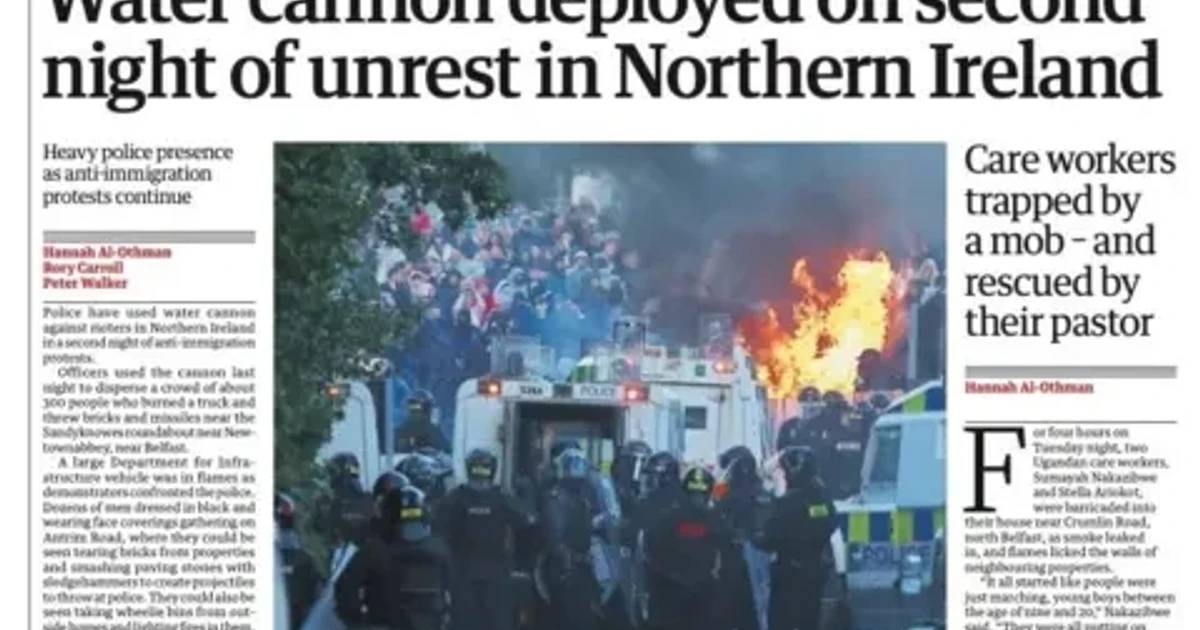
A knife attack in north Belfast has swollen into a broader confrontation over migration, identity and public order, with police forced to use water cannon as disorder spread for a second night. What began with a man in his 40s suffering serious injuries to his eyes, face and back has quickly become one of the most volatile episodes in Northern Ireland for months.
Police identified the suspect as a 30-year-old Sudanese man, who was charged with attempted murder, possession of a knife in a public place and making threats to kill. Officers said there was no evidence at that stage that the attack was terrorism-related, but the fallout moved almost immediately beyond the criminal case and into the streets. The victim was later reported in stable condition, and his family appealed for calm as tensions rose.
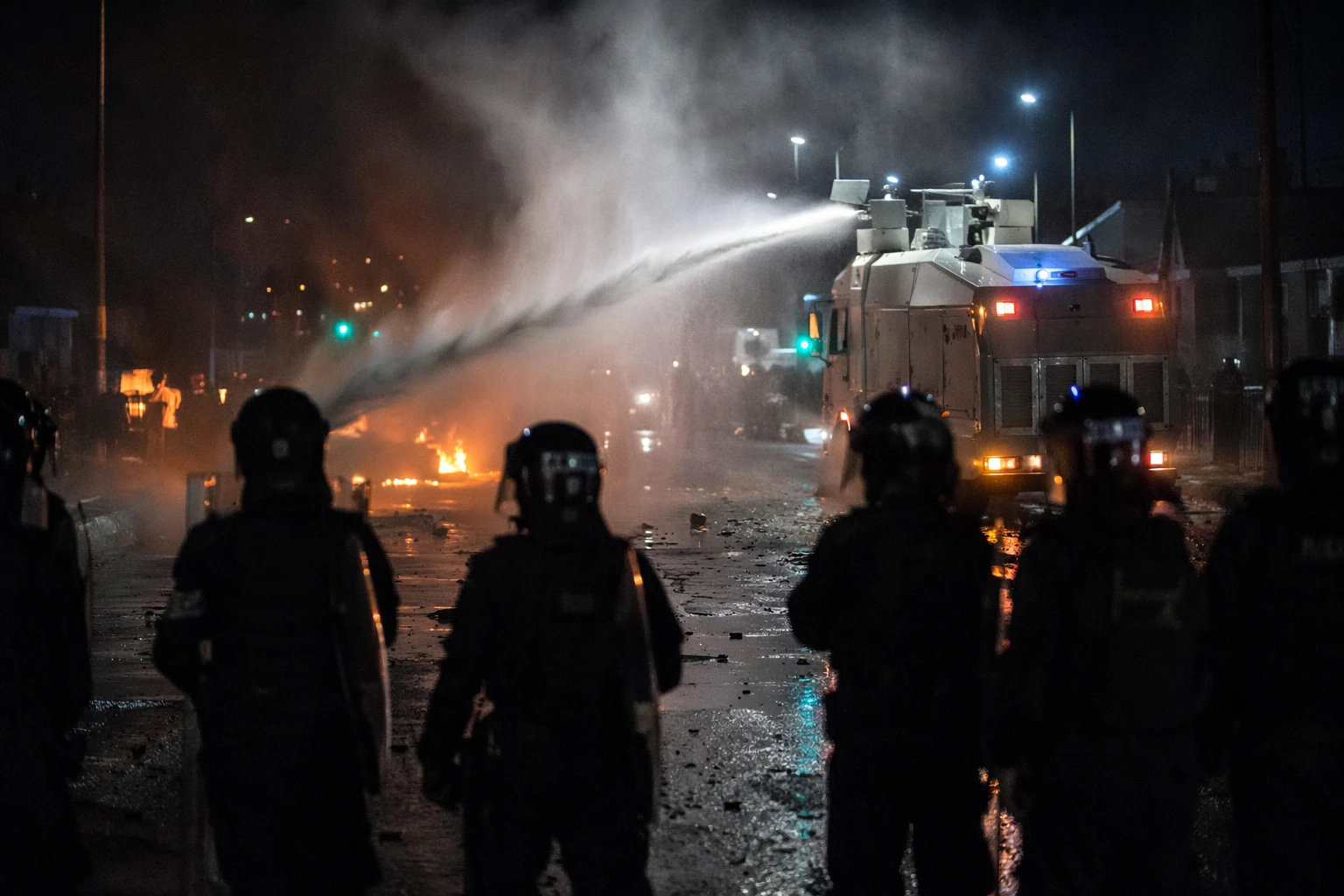
Violence broke out on Tuesday, June 9, including a bus being torched in east Belfast, and by Wednesday the unrest had hardened into a second night of clashes. Police said protesters threw bricks, rocks and bottles as small fires were lit in the city, leaving two officers injured. Two men, aged 39 and 42, were charged in connection with the protests and appeared in court on Wednesday. Bus and rail services were suspended as the disorder spread, deepening the sense of paralysis in parts of the city.
The political response moved quickly. Prime Minister Keir Starmer said people had been targeted because of their background, while Northern Ireland First Minister Michelle O’Neill condemned the violence as outright thuggery. Northern Ireland’s chief constable, Jon Boutcher, added a further layer to the debate by saying the suspect had been living in the UK under a five-year visa granted in September 2023 and was believed to have travelled from Sudan via Paris and Dublin before claiming asylum in Belfast.
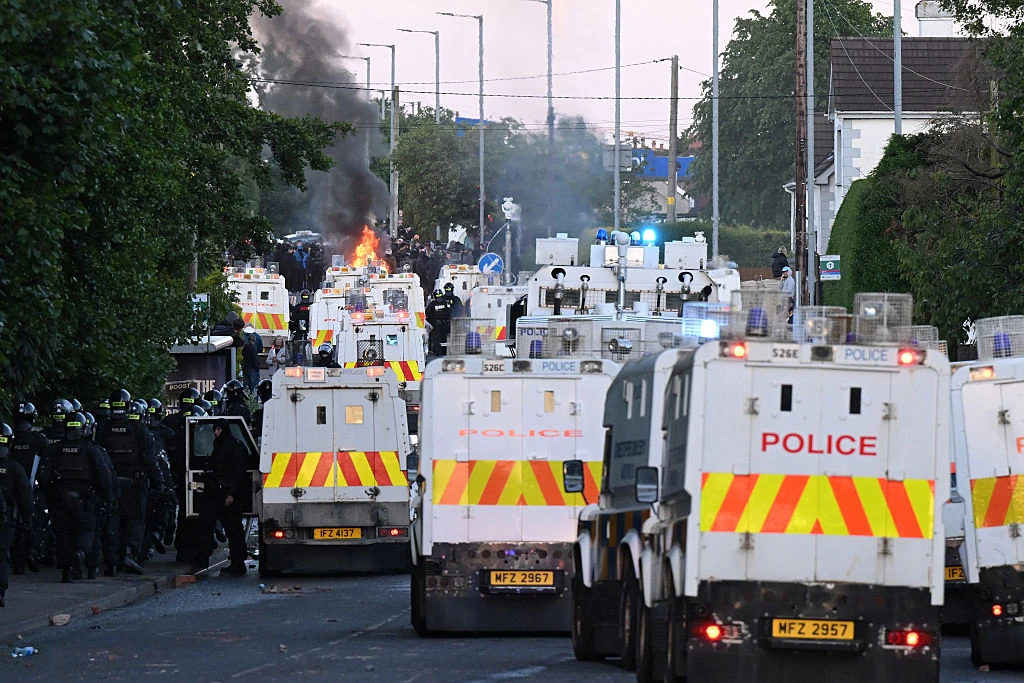
That sequence has sharpened the sense that a single stabbing has been recast into a wider battle over who belongs, who is protected and how fast community anger can turn to street violence in Northern Ireland. With transport disrupted, businesses and homes damaged and police still bracing for fallout, the city was left confronting not just a criminal case but a public order crisis with clear political aftershocks.
Sources
- [1]bbc.com
- [2]abcnews.com
- [3]ualrpublicradio.org
- [4]bloomberg.com
- [5]usnews.com
- [6]newsday.com