Science
Northern Lights May Shine Over Much of the U.S. This Weekend
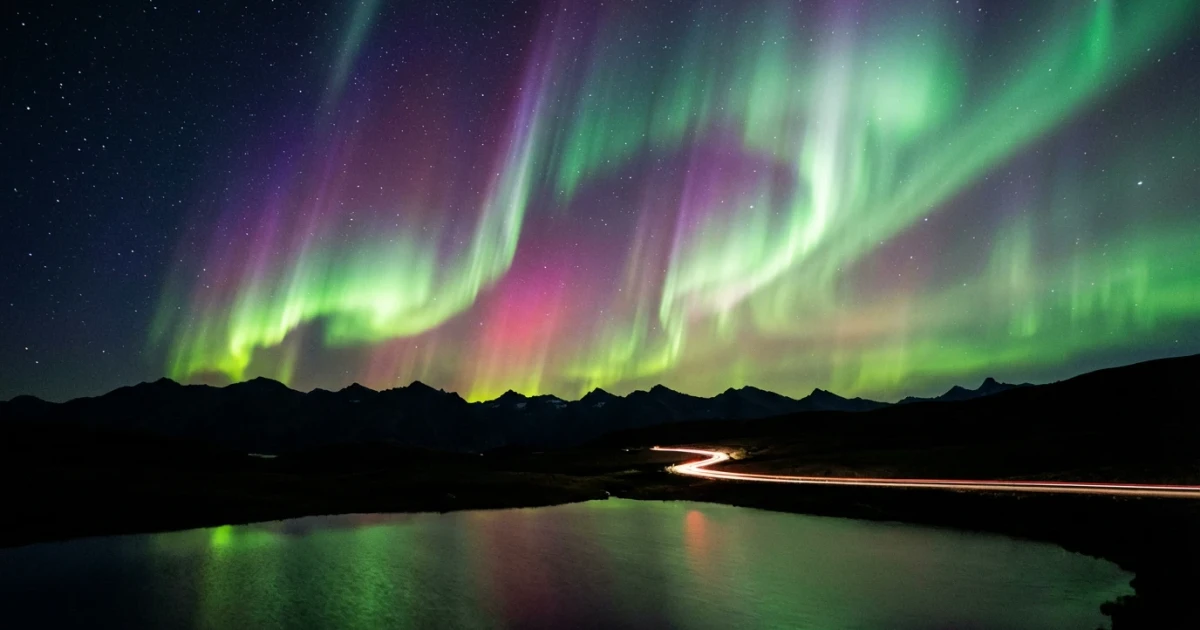
A rare celestial display is possible across a broad swath of the United States this Saturday night, as a strong geomagnetic storm is expected to push the aurora borealis, also known as the northern lights, far south of its typical range. According to Forbes, residents in up to 24 U.S. states could have a chance to witness the colorful spectacle, as conditions align for one of the most widespread aurora events in recent years.
Strong Geomagnetic Storm Expands Aurora Potential
The anticipated aurora event is tied to a strong geomagnetic storm watch issued by the National Oceanic and Atmospheric Administration's (NOAA) Space Weather Prediction Center. Geomagnetic storms occur when charged particles from the sun interact with Earth's magnetic field, sometimes pushing the aurora far south of its usual boundaries in Canada and Alaska.
NOAA's Planetary K-index, a key measure of geomagnetic activity, is forecast to reach elevated levels on Saturday night. This raises the prospect of auroral activity being visible as far south as the central Plains, Midwest, and Northeast. Forbes reports that the states in the potential viewing zone include:
- Maine
- New Hampshire
- Vermont
- Massachusetts
- New York
- Pennsylvania
- Ohio
- Michigan
- Illinois
- Wisconsin
- Indiana
- Iowa
- Missouri
- North Dakota
- South Dakota
- Nebraska
- Kansas
- Montana
- Wyoming
- Idaho
- Washington
- Oregon
- Colorado
- Utah
This list covers much of the northern and central U.S., providing a rare opportunity for millions well south of the Canadian border to see the aurora if skies are clear.
What to Expect and When to Look
The NOAA 30-minute aurora forecast offers real-time maps showing where the auroral oval may be visible. Peak viewing is typically between 10 p.m. and 2 a.m. local time, when skies are darkest and geomagnetic activity is often strongest. The northern horizon is the best direction to watch, especially for those at the southern edge of the forecast zone.
The aurora may appear as green, red, or purple glows, arcs, or curtains in the sky. Light pollution from cities will hamper visibility, so heading to rural areas with dark skies will increase the chances of a successful sighting. The NOAA aurora viewline map provides an up-to-date southern limit of visibility for each state.
Why This Event Is Unusual
While auroras are common in high-latitude regions, it's rare for geomagnetic storms to push the northern lights into the central United States. Such widespread visibility typically requires a strong solar storm, measured by a high K-index value. According to SpaceWeatherLive's auroral activity data, only a handful of storms each decade produce such widespread aurora sightings.
Forbes highlights that the event comes at a time of increasing solar activity, as the sun approaches its solar maximum—a period of heightened sunspot and flare activity that increases the likelihood of strong geomagnetic storms and auroral displays. The last comparable aurora event visible from so many states occurred several years ago, making this weekend's forecast a notable opportunity for skywatchers.
How to Prepare and Where to Get Updates
- Check the NOAA 30-minute aurora forecast for real-time updates and maps.
- Track the Planetary K-index to monitor the strength of the geomagnetic storm.
- Use the NOAA NCEI geomagnetic data portal for historical context and recent aurora observations in your region.
- Find a dark, rural location facing north for the best chance to see the aurora.
Looking Ahead
As solar activity continues to ramp up in the coming months, experts expect more frequent opportunities for aurora sightings further south than usual. Skywatchers are encouraged to stay informed through official NOAA channels and local weather outlets for the latest geomagnetic storm updates and aurora forecasts. For this weekend, much of the United States could be treated to a natural light show not seen in years—weather permitting.