World
Northern Spain wildfire burns 38,000 acres, strains firefighting efforts
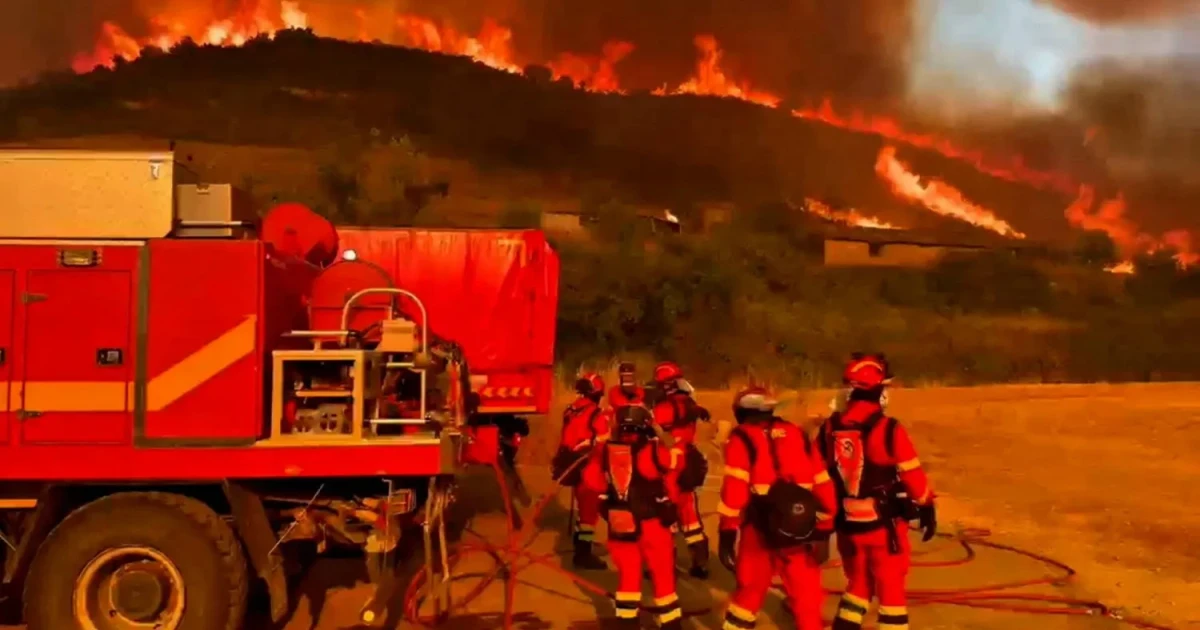
Emergency crews were still battling a wildfire in northern Spain on July 18 after it had burned more than 38,000 acres in Aragon, near the municipality of Orés. The blaze had already expanded from an earlier estimate of more than 11,000 acres, forcing authorities to bring in 15 aircraft and about 400 firefighters and emergency personnel to stop it from spreading further.
The fire began on July 15 in the Asín area of Aragón, according to Copernicus Emergency Management Service mapping, which marked the event as ongoing and spreading. Strong winds complicated the response, while dry vegetation and a heatwave gave the flames the conditions to move quickly across the landscape. By the time the fire was described as Spain’s largest wildfire of the year, it had reached more than 12,000 hectares and triggered mass evacuations.
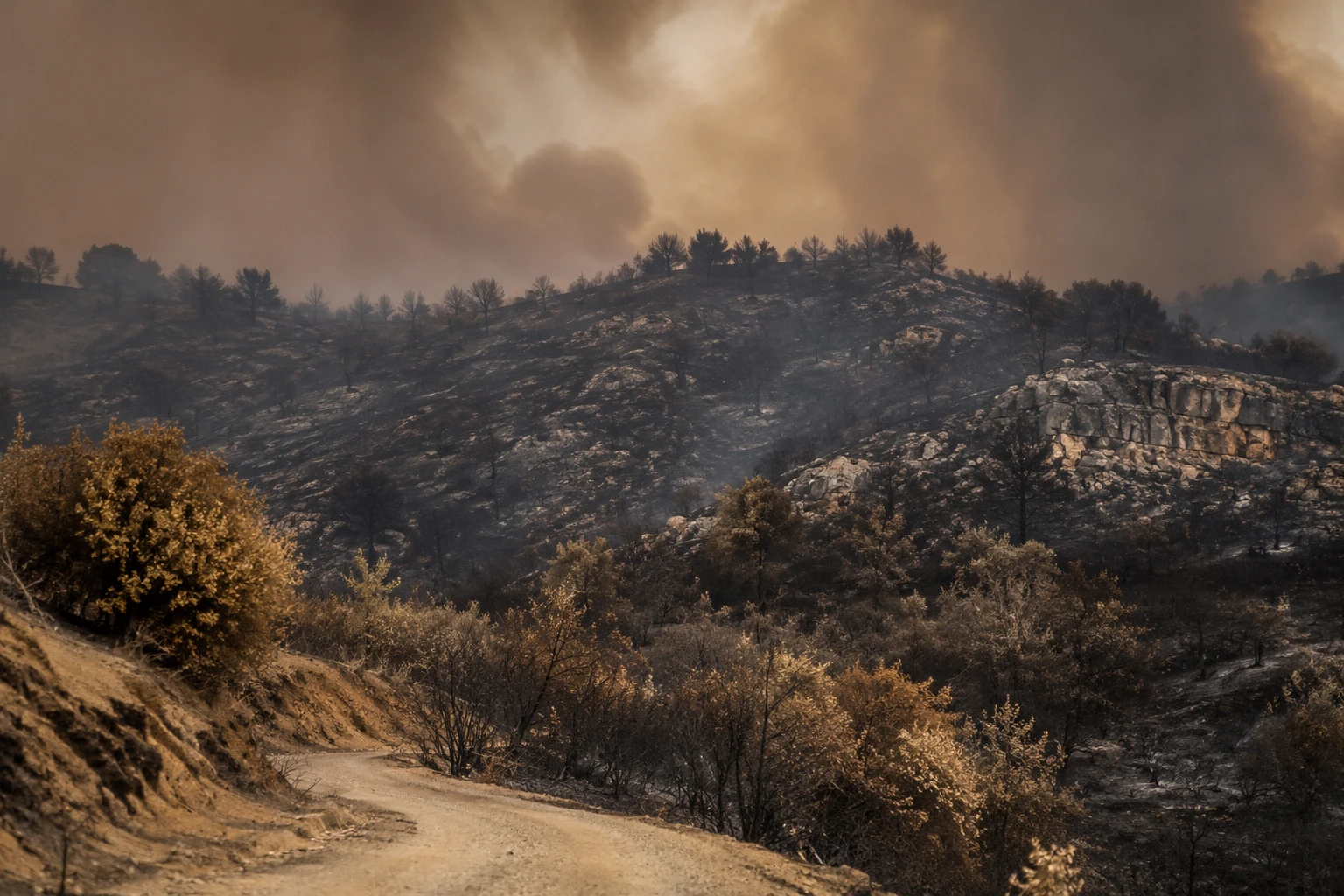
Residents from villages around Orés, including Uncastillo in Zaragoza, were moved out as the fire advanced. The evacuation zone, spread across rural communities in northern Aragon, highlighted how fast a summer blaze can turn from a local ignition into a regional emergency. Crews faced the added pressure of protecting settlements, farmland and transport routes while also trying to keep the fire from jumping into new areas.
The scale of the response showed how much strain a single fire can put on Spain’s emergency system. Fifteen aircraft over the fireline signaled an operation that depended on coordinated air and ground attacks, a costly and logistically difficult effort when winds are shifting and vegetation is dry. In a region already dealing with heat, the fire added smoke, disruption and uncertainty to communities that were ordered out of the path of the flames.

The Aragon blaze fit a broader pattern across southern Europe, where extreme summer fire conditions are becoming a recurring crisis rather than a one-off disaster. Each severe fire adds pressure to firefighting budgets, regional planning and evacuation systems, and it raises fresh questions about how quickly authorities can respond before a small ignition turns into a major emergency.