Sports
Norway’s World Cup return built on turf, coaching revolution
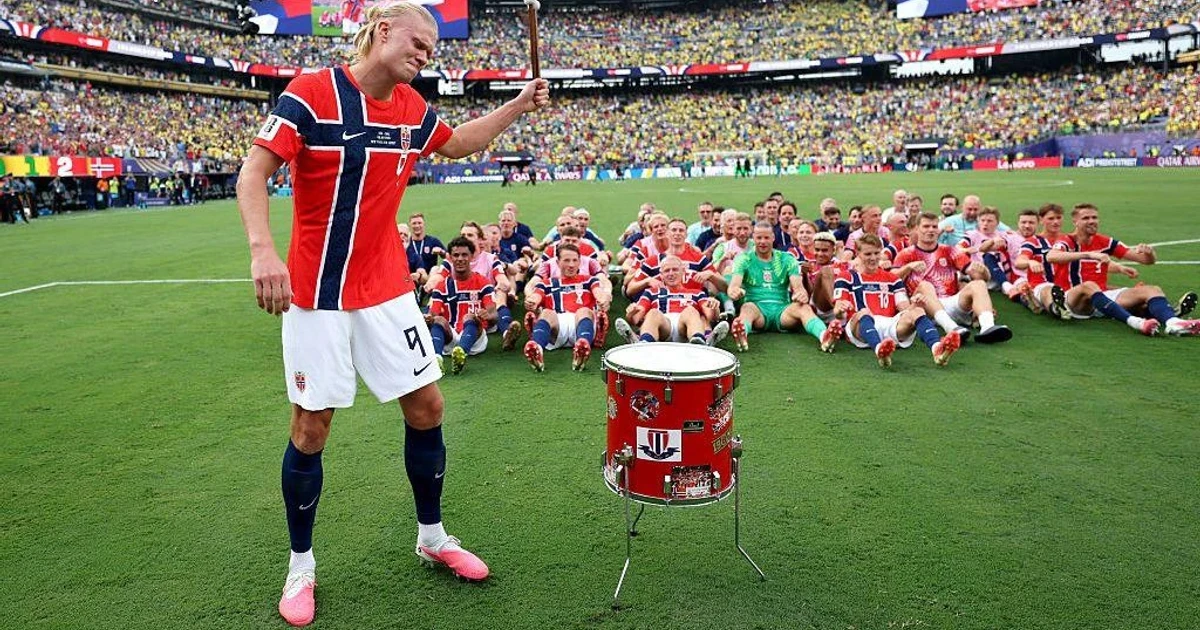
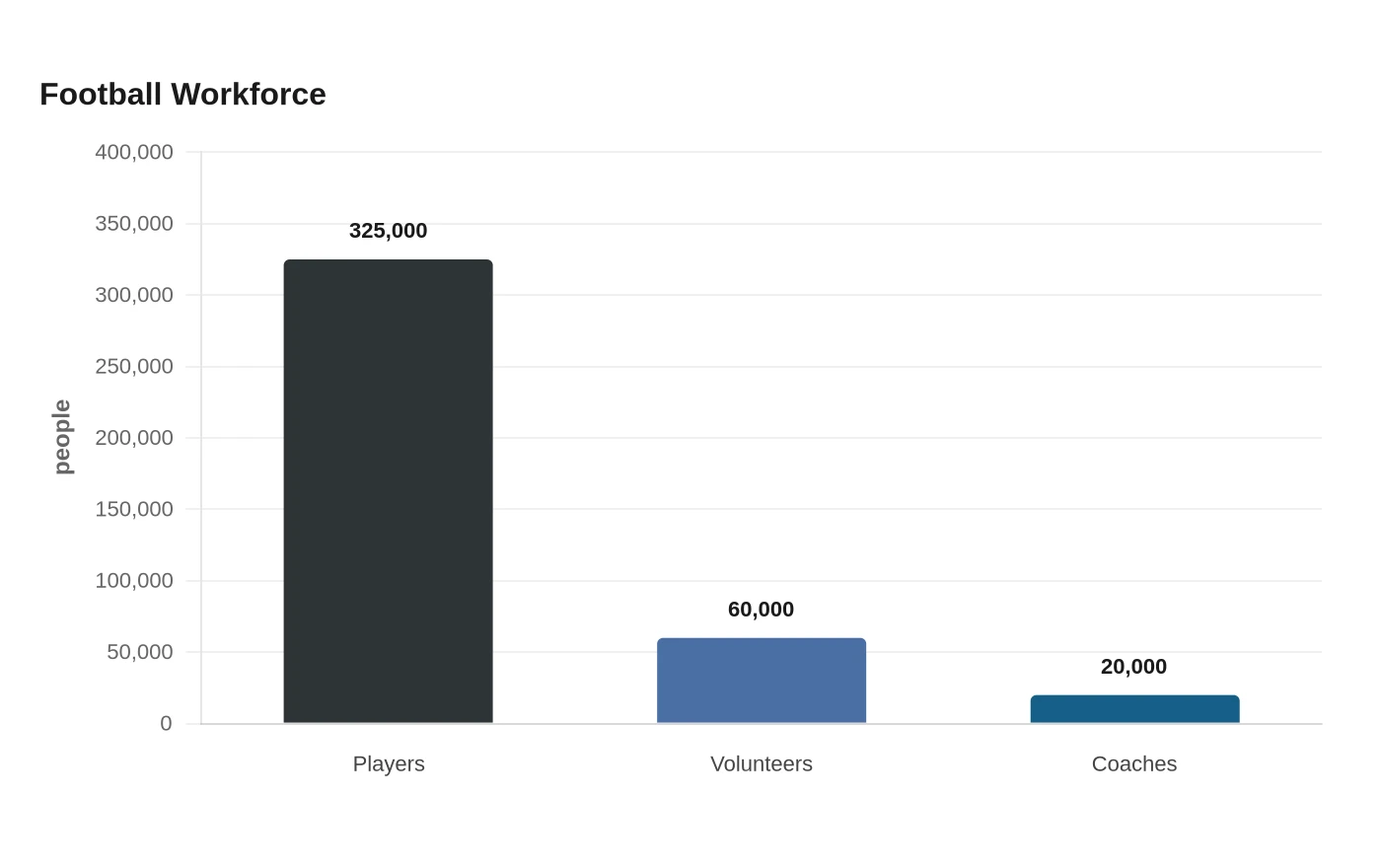
Norway’s return to the FIFA World Cup after a 28-year absence reads like the payoff from a national development plan rather than a sudden sporting spike. The Football Association of Norway has spent years widening access to pitches, professionalizing coaching and funding football through a public gaming model that sends 64% of proceeds to sporting purposes. The result is a talent pipeline large enough to sustain a country of Norway’s size, with UEFA putting the game’s workforce at about 325,000 players, 60,000 volunteers and 20,000 coaches.
The infrastructure bet that widened the base
Norway’s football shift started with access. The NFF says the country invested heavily in artificial pitches during the 2000 to 2010 period, using gaming proceeds from Norsk Tipping, the state lottery and gaming provider, as a major funding stream. That mattered in a country where weather, daylight and geography can make year-round grass access expensive and uneven, especially outside the biggest cities.
The scale of the buildout is clear in later numbers as well. One report cited 539 artificial pitches built between 2016 and 2025, along with 586 renovations. That is not just a facilities story, it is a participation story: more usable surfaces mean more training hours, more local sessions and more chances for players to stay in the game through adolescence rather than drop out when conditions turn difficult.
The funding model underpins the whole system. Norway’s sports framework directs 64% of gaming proceeds to sporting purposes, with the Ministry of Culture and Equality overseeing how those funds are allocated. That structure gives football and other sports a comparatively stable public revenue base, rather than leaving grassroots access dependent only on private sponsors or the balance sheets of individual clubs.
Why turf changed the economics of talent production
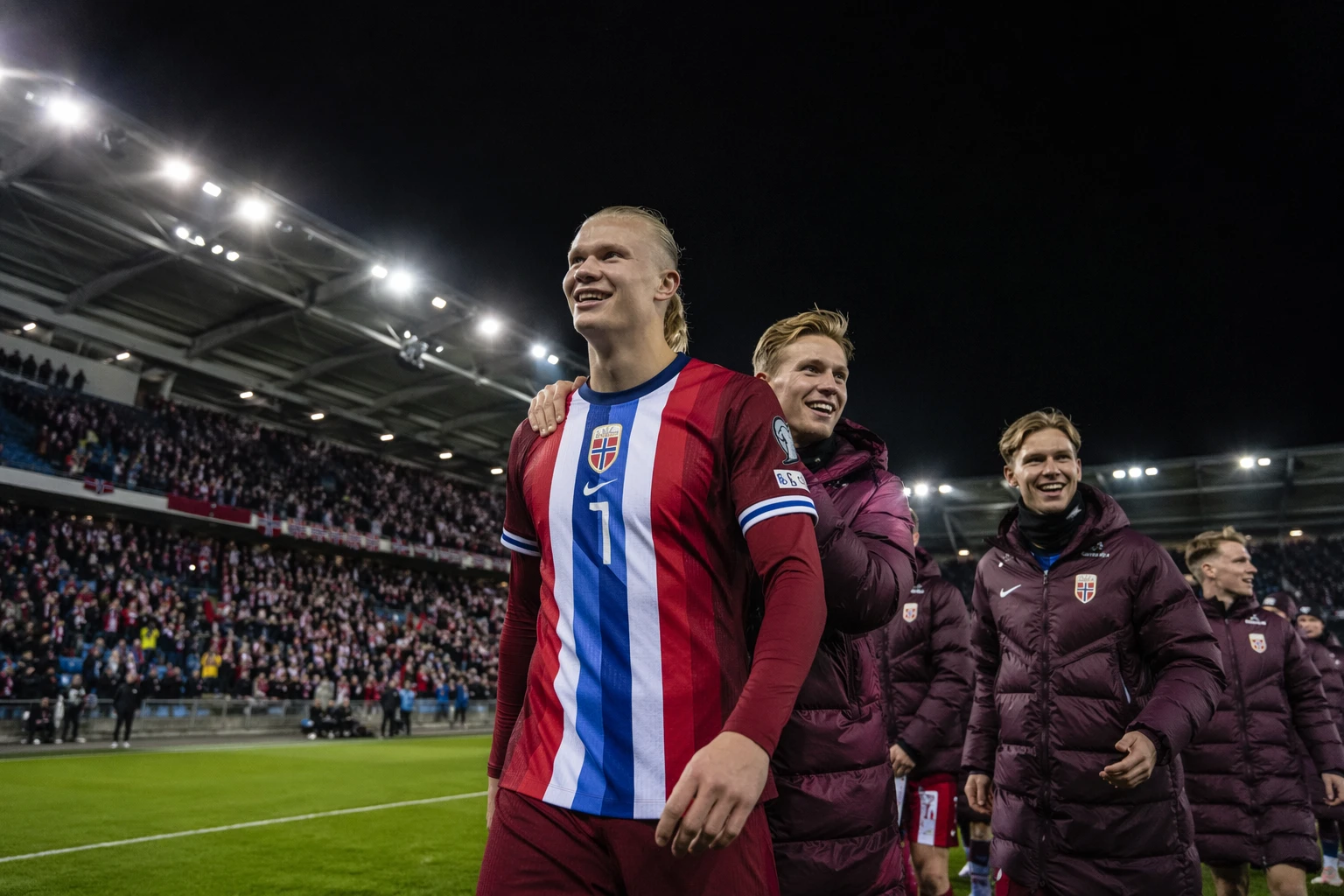
Artificial turf is often discussed as a convenience. In Norway, it became an input into national competitiveness. More surfaces lowered the marginal cost of play, raised the number of available training sessions and reduced the seasonal gaps that can slow player development in colder climates. For a country producing elite athletes from a relatively small population, that extra volume matters.
The system also helped spread opportunity beyond the biggest urban centers. A dense grid of local pitches means children can play close to home, clubs can train more often, and coaches can run structured sessions without waiting for grass fields to recover. In practical terms, Norway turned pitch access into an infrastructure policy, not just a sports amenity.
That legacy now faces a new constraint. UEFA says the European Union’s microplastics restriction, which came into force in October 2023, includes polymeric infills for artificial turf, with an eight-year transition period running to October 2031. Norway’s pitch network therefore delivered a long competitive run, but clubs and policymakers now have to adapt that model to microplastic-free surfaces without losing the training density that made it so effective.
The coaching revolution was the other half of the story
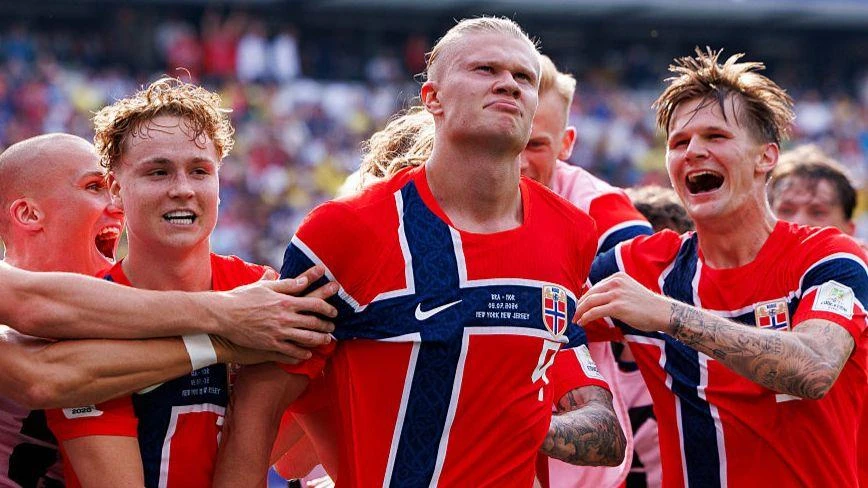
Facilities alone do not produce a golden generation. Norway paired its pitch investment with a coaching overhaul built around standardization, broad participation and collaboration rather than individual ego. Since 2011, more than 17,000 coaches have completed the country’s full grassroots coaching pathway, and almost 2,000 have completed the UEFA B diploma course since 2017.
That scale matters because coaching quality compounds. Every trained coach touches dozens of players across multiple age groups, and a national coaching pathway creates common language, shared standards and a clearer route from grassroots sessions to elite environments. UEFA has described coach development as fundamental to keeping European football at the top of the global game, and Norway has treated that as a system design principle rather than a slogan.
Lise Klaveness, the NFF president, has pushed that philosophy in explicit terms, describing the goal as a way to elevate Norway’s coaching landscape in “an inclusive, interactive and innovative way.” The emphasis on collaboration is important because it lowers the risk that progress depends on a handful of charismatic figures. Instead, the model spreads knowledge through clubs, regions and age levels.
A model built on scale, not mythology
Norway’s football workforce helps explain why the system is resilient. UEFA’s count of 325,000 players, 60,000 volunteers and 20,000 coaches shows a sport deeply embedded in civic life. That is a large participation base for a country of Norway’s size, and it suggests the national team’s rise is connected to the health of the whole ecosystem, not just the top squad.
This is where the Norwegian case becomes a useful development model for other countries. The key elements are legible and, in theory, portable:
• public or quasi-public funding that channels gaming revenue into sport • enough local artificial surfaces to guarantee year-round access • a coaching pathway that can be completed at scale • institutional rules that value shared standards over personality-driven systems
Not every country can copy those elements exactly. But the underlying logic is transferable: make access cheaper, make coaching better and make funding predictable. Norway did not wait for elite success before investing in the base. It made the base itself the strategy.
Women’s football shows the same pattern
The men’s World Cup return is only part of the picture. Norway’s women have already built one of the strongest national records in the game, winning Olympic gold in Sydney in 2000, the FIFA Women’s World Cup in 1995, and the UEFA Women’s Euro in 1987 and 1993. Those results point to a much longer tradition of system building, not a single breakthrough cycle.
UEFA has also reported that the NFF has launched its first dedicated women’s football strategy, with an ambition to grow the game across participation, performance and commercial development. That matters because it shows the national model is still being revised rather than frozen in place. The same machinery that helped produce elite teams is now being adjusted to widen opportunity and commercial reach in the women’s game.
What Norway’s rise says about national sporting policy
Norway’s path back to the World Cup is best understood as a lesson in capacity building. The country used a gaming-funded public sports model, expanded artificial pitch access, trained thousands of coaches and built a football culture large enough to support elite performance from a small population. The result is not just a successful team, but a blueprint for how policy can shape talent at scale.
The challenge now is adaptation. Norway’s system was built in the era of synthetic surfaces and rapid access expansion; the next phase has to preserve those benefits while moving toward microplastic-free infrastructure by 2031. That will test whether the country’s football advantage came from one technology or from a deeper ability to design institutions that keep producing players.
Sources
- [1]bbc.co.uk
- [2]uefa.com
- [3]regjeringen.no
- [4]documents.uefa.com