Sports
Norway’s youth sports model fuels World Cup hopes after 28-year wait
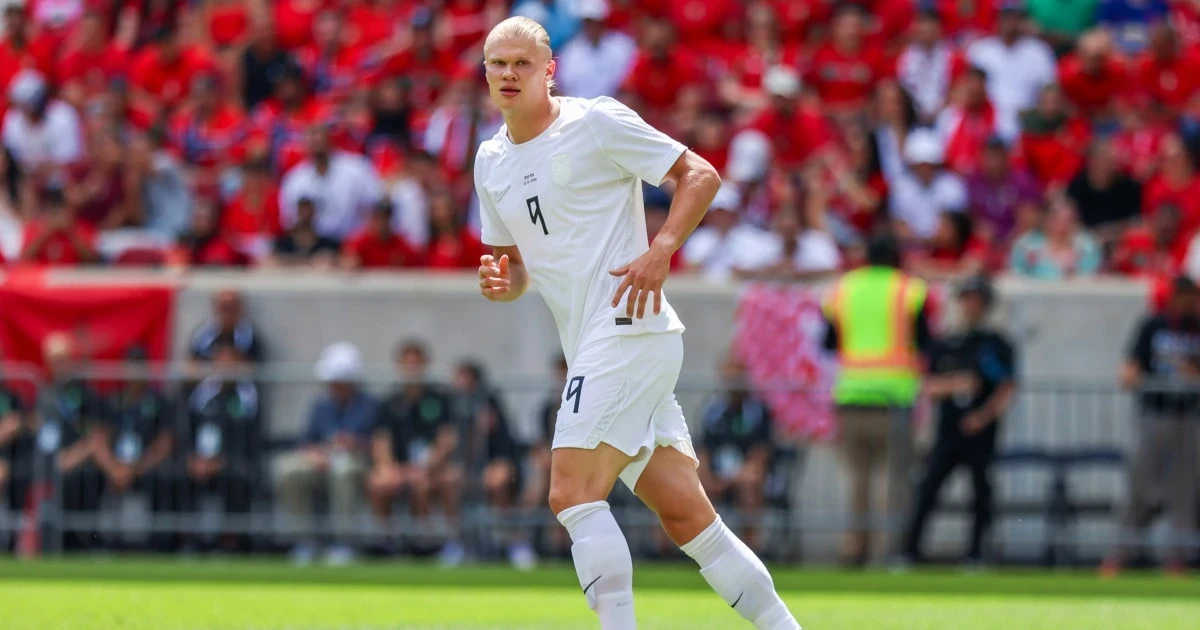
The boys who once crowded an indoor pitch in Bryne helped show how Norway builds athletes from the ground up. In a country where children’s sport is designed around participation, safety and joy, that pipeline has carried Erling Haaland from a small Rogaland county club to the World Cup stage after a 28-year wait. The hard question now is whether Norway’s celebrated youth model is a set of exportable lessons or a product of a welfare culture that cannot be easily replicated.
The Norwegian model starts with keeping children in the game
Norway’s children’s sports system draws a bright line around childhood: organized sports activities run up to and including the year athletes turn 12. The Norwegian Olympic and Paralympic Committee and Confederation of Sports says 9 out of 10 children between ages 6 and 12 take part in one or more sports, a reach that gives the country a far wider base than systems that sort talent early and discard the rest. The rules were first adopted in 1987 and revised in 2007, 2015 and 2019, while children’s rights in sport were first adopted in 2007 and revised in 2019.
That policy framework is more than a slogan. Norwegian sports practice allows children to play without official rankings, league standings or national championships until later adolescence, keeping the emphasis on participation instead of selection pressure. The result is a system that tries to make sport normal for most children, not a privilege for the most advanced few.
Bryne shows how the system works on the ground
Bryne, a small city near the North Sea in Rogaland county, is where this approach becomes visible. Twenty years ago, elementary school-age children gathered most weekends to play pickup games at an indoor soccer field, a simple setting that rewarded repetition, joy and local belonging more than early specialization. Bryne Fotballklubb, founded on April 10, 1926, has played home matches at Bryne Stadion since 1945, anchoring the town’s sporting life across generations.
Erling Haaland began in Bryne FK’s development program at age five, which matters because his path was not built on an unusually exclusive academy model. It was built on the ordinary Norwegian promise that a child can start locally, stay involved and keep developing without being pushed into adult-style competition too soon. That is the kind of foundation Norway wants to preserve as it turns a youth-first culture into senior international results.
Which parts of the model are transferable
Not every part of Norway’s system is a national quirk that belongs only to Scandinavian geography or winter sports tradition. Some of the most useful lessons are practical and portable:
• Keep children in sport through local clubs that are easy to join and hard to outgrow.
• Delay standings and championships so late developers do not disappear before they have time to mature.
• Make training feel developmentally appropriate rather than like a miniature version of adult competition.
• Treat participation as the starting point for excellence, not the enemy of it.
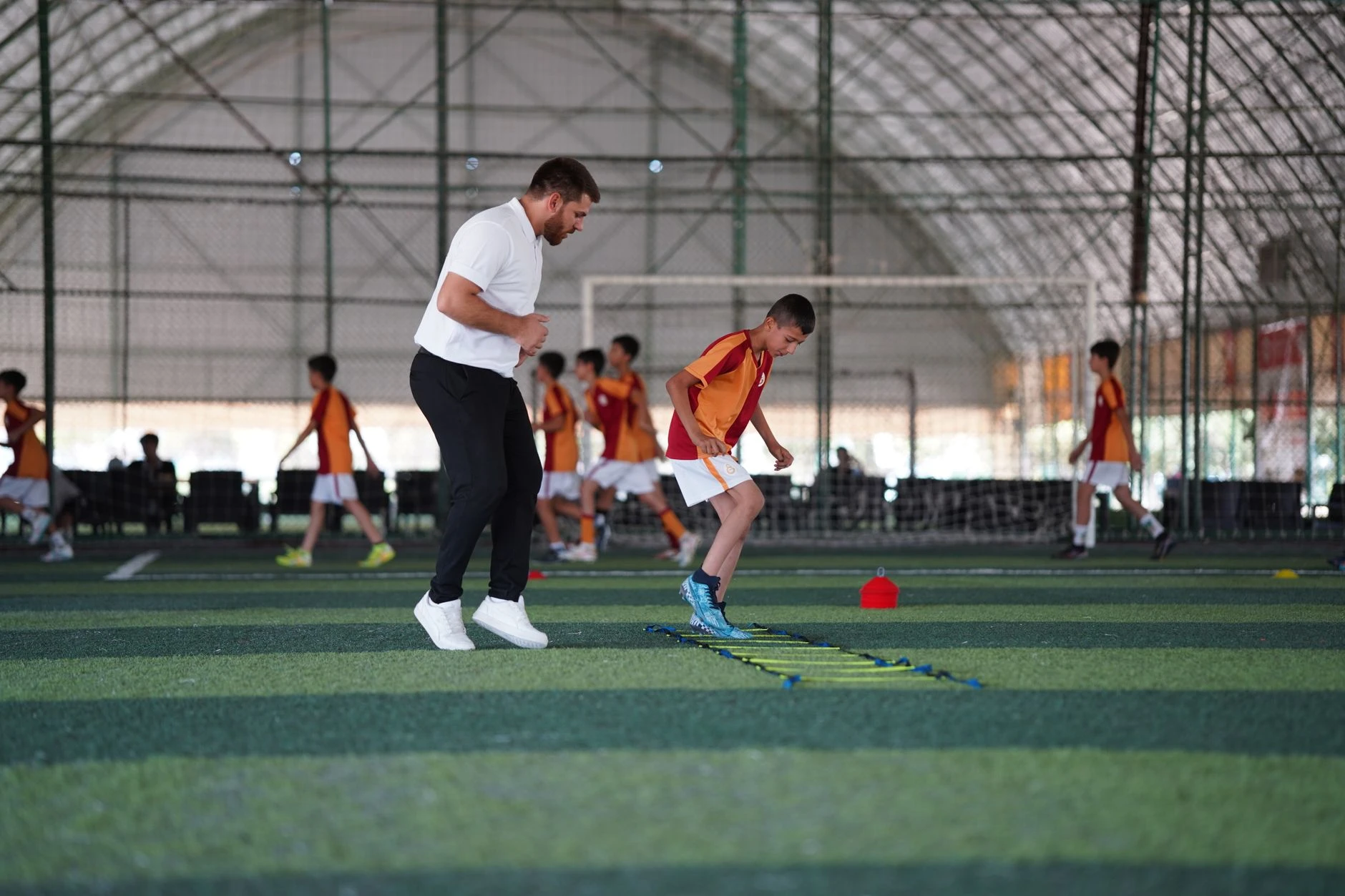
Project Play’s analysis of Norway points to that same pattern before age 13: children train and compete in clubs that prioritize local, low-cost competition and age-appropriate development. That structure matters because elite talent often emerges from the biggest participation pool, not the smallest one. Norway’s current football success suggests the system can widen the funnel without weakening the top.
What may depend on Norway’s culture and welfare model
The harder lesson is that rules alone do not explain Norway. A no-scorekeeping childhood does not create elite athletes unless families, clubs and public institutions all accept that children’s sport is a shared good rather than a private race. Norway’s unusually broad participation rate, 9 in 10 children ages 6 to 12, reflects a social environment where access is normalized and where clubs, communities and public support work together to keep costs and barriers relatively low.
That is where the system becomes less easily transferable. A country can copy the ban on youth standings, but if it lacks safe facilities, volunteer club culture, affordable access or a public consensus that children should stay in sport for pleasure as well as performance, the rule may not produce the same result. Norway’s model works because it sits inside a wider welfare state and a social contract that makes broad participation politically and culturally durable.
That distinction is crucial for anyone trying to turn Norway into a simple template. The most powerful lesson is not that competition is bad, but that early pressure can narrow opportunity before talent has a chance to bloom. The part that may be hardest to copy is the trust that lets the whole system prioritize long-term development over immediate sorting.
The World Cup run puts the system to a real test
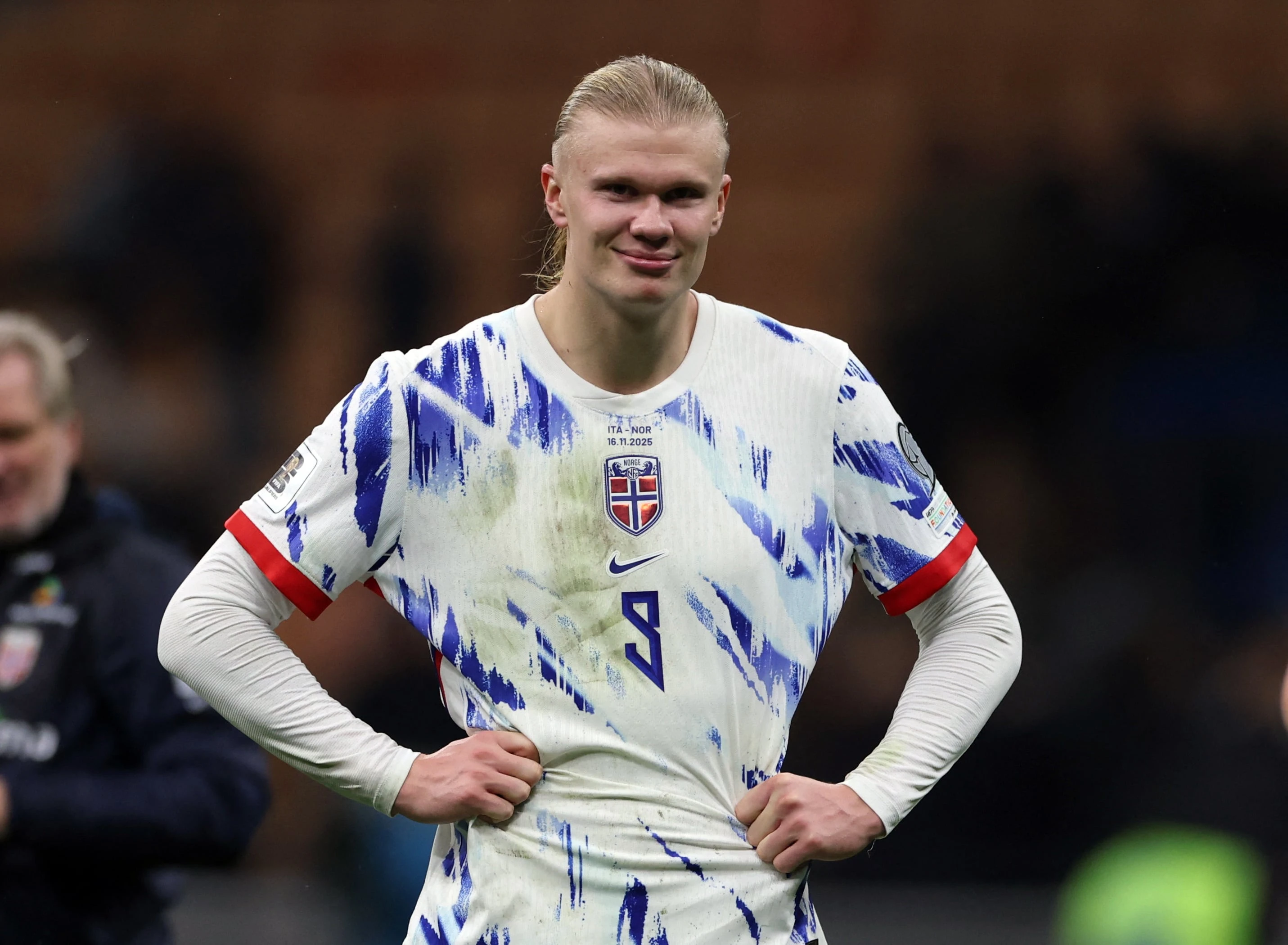
Norway’s latest rise gives the debate urgency. FIFA says the country qualified for the 2026 World Cup on November 16, 2025, by beating Italy 4-1, and that Haaland scored 16 goals in eight qualifiers to help carry the campaign. Norway will be returning to the World Cup finals after 28 years away, with its last appearance coming at France 1998.
This will be Norway’s fourth World Cup appearance in total, and its best finish remains a Round of 16 run in 1998. That history matters because it shows how rare the current moment is: this is not simply a strong qualifying cycle, but a chance to see whether a youth model built for breadth can also sustain a senior team with genuine global ambitions. Figures such as Ståle Solbakken and Tore Øvrebø are now part of a larger national conversation about how to keep that pathway productive from first touch to final whistle.
The real lesson is bigger than one star
Haaland is the most visible proof that Norway’s system can produce a world-class striker, but he should not become the entire argument. The deeper story is a country that has tried to make sport available to nearly every child, then trusted that excellence would emerge from that base. That approach has already helped Norway become a winter sports power, and football is now testing whether the same principles can work on the world’s biggest stage.
The eight-rule version of the story may be too neat to be true. The sturdier truth is broader: when children stay in sport, when clubs stay local, and when competition waits long enough for development to catch up, elite performance has a better chance of arriving with less waste and more fairness. Norway’s World Cup return suggests that systems built around inclusion can still produce the rarest thing in sport, sustained excellence.
Sources
- [1]nbcnews.com
- [2]idrettsforbundet.no
- [3]projectplay.org
- [4]fifa.com
- [5]brynefk.no
- [6]wikiwand.com
- [7]uefa.com
- [8]weforum.org