Science
Norwegian Family Discovers Rare 3,000-Year-Old Rock Carvings
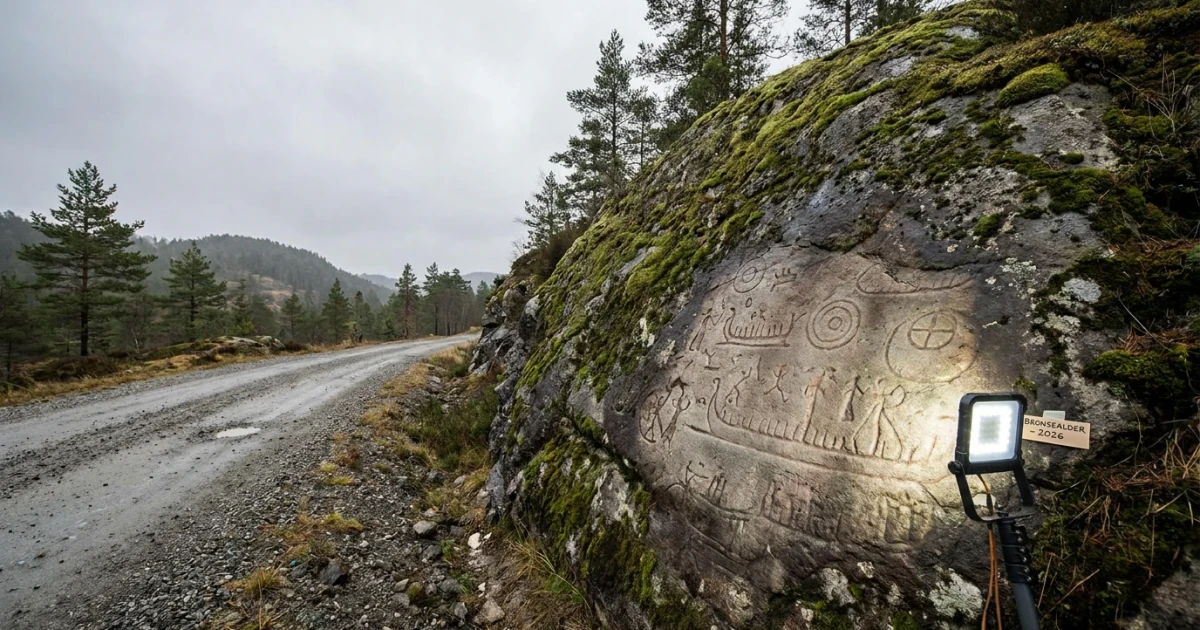
A spontaneous roadside stop in Norway has resulted in a remarkable archaeological find: a father and his young daughter discovered ancient rock carvings estimated to be about 3,000 years old, described as unlike any previously documented in the region. The discovery is the latest in Norway’s long history of rock art, which sheds light on prehistoric culture and continues to fascinate researchers and the public alike.
Discovery Highlights Norway’s Rich Rock Art Tradition
According to The Daily Galaxy, the family was traveling along a rural road when they decided to pause and explore the surrounding landscape. It was during this unplanned excursion that the carvings came into view, prompting immediate excitement and subsequent reporting to local cultural authorities. While Norway is famed for its numerous ancient rock art sites, the newly found carvings are said to possess distinct characteristics not previously cataloged.
Unique Features of the Find
- The carvings are estimated at 3,000 years old, dating back to the Bronze Age.
- Researchers note the motifs appear to deviate from typical patterns seen at other Norwegian sites.
- Initial analysis suggests these may represent local variations or a previously unknown symbolic tradition.
Norway’s rock art includes thousands of petroglyphs and pictographs, many of which are carefully preserved and monitored. Sites such as the Alta World Heritage Site are internationally recognized for their size and complexity, but even smaller, less-known discoveries contribute valuable data to the field.
Expert Analysis and Broader Context
Archaeologists and heritage officials responded quickly to the family’s report, conducting preliminary surveys and documenting the site. While full details of the motifs and their potential meanings are yet to be published, the find is already seen as significant. According to a recent research overview, Norway’s rock art sites are distributed widely, but new discoveries often reveal previously unknown artistic or cultural influences.
- Over 1,000 registered rock art sites are listed in Norway’s national heritage database.
- Motifs commonly include boats, animals, human figures, and geometric shapes.
- Sites are often found near waterways and ancient routes, supporting theories of their use in communication or ritual.
Preservation and Significance
The new carvings will be subject to careful preservation measures, as is standard practice with Norwegian heritage discoveries. The Directorate for Cultural Heritage maintains strict guidelines for documenting, analyzing, and protecting such sites. Each find adds to the collective understanding of prehistoric societies in Scandinavia, offering fresh perspectives on migration, trade, and daily life.
Digital archives such as Europeana Collections enable researchers and the public to explore images and records from across Europe, including recent additions from Norway. Such resources are vital for comparative studies and for engaging a wider audience in the country’s archaeological heritage.
Looking Ahead
The family’s discovery underscores the importance of public engagement and chance encounters in advancing archaeological research. As experts continue to analyze the site, the find is expected to contribute new information to the ongoing study of Bronze Age symbolism and cultural diversity in Norway. With every new site, the picture of ancient Scandinavian life becomes richer and more nuanced.
As more details emerge, heritage authorities encourage the public to report unusual finds and to respect the delicate nature of rock art, ensuring that these windows into the past are preserved for future generations.