Health
Nottingham attack inquiry examines NHS trust's treatment of Valdo Calocane

The Nottingham inquiry has heard that Valdo Calocane was discharged from mental health services because staff could not find him, bringing Nottinghamshire Healthcare NHS Foundation Trust’s handling of his care into sharp focus before he killed three people in Nottingham. Calocane killed Barnaby Webber, Grace O’Malley-Kumar and Ian Coates on 13 June 2023, and seriously injured three other people.
The inquiry opened on 23 February 2026 after months of evidence gathering. Its terms of reference, set out by the government, examine the events leading up to the killings and the response of public bodies before and after the attacks. NHS England published an independent mental health homicide report into Calocane’s treatment on 5 February 2025, and the case has since drawn in scrutiny of the NHS, Nottinghamshire Police and the Crown Prosecution Service.
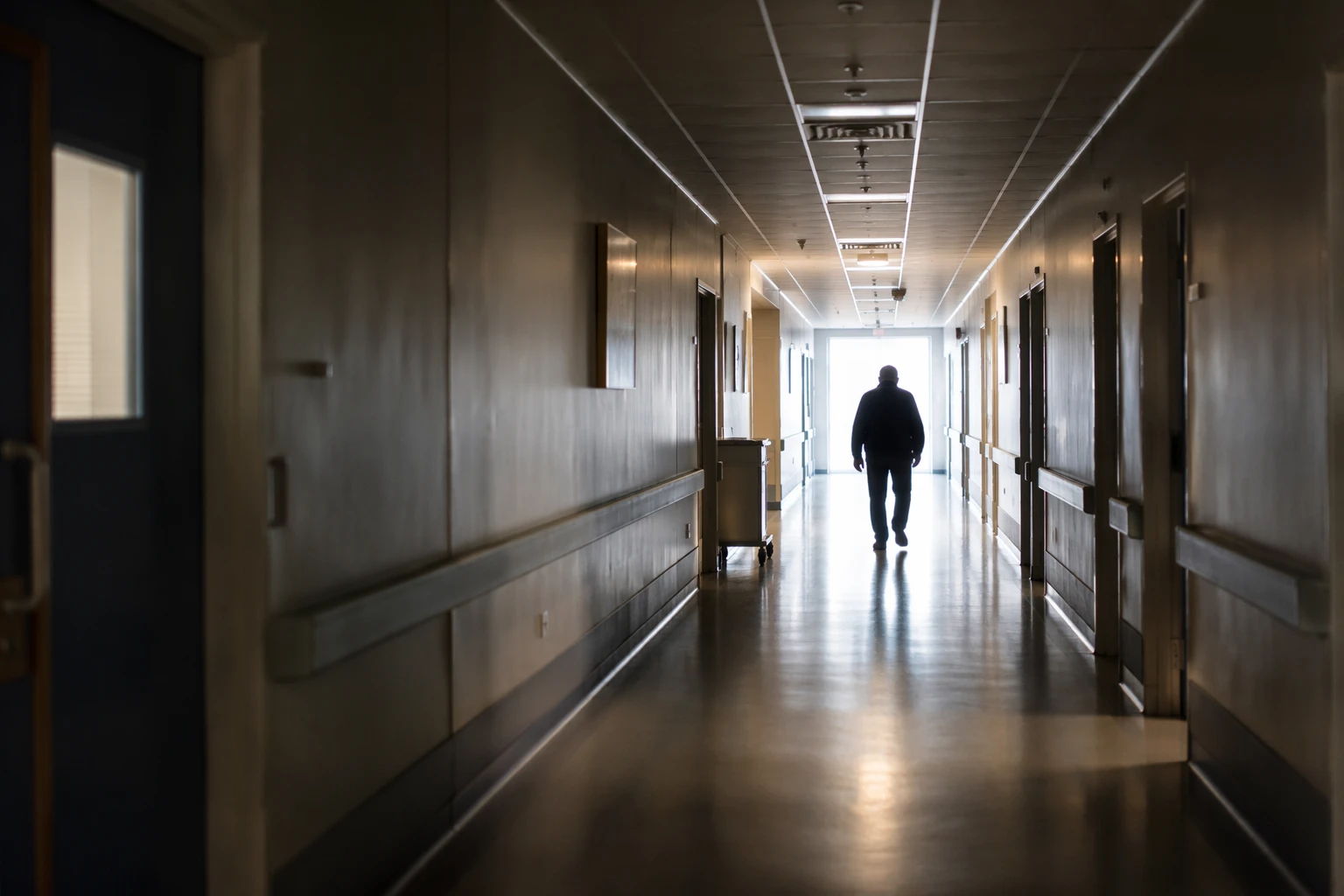
Calocane had been diagnosed with paranoid schizophrenia and had previous interactions with health services and the police. Evidence heard by the inquiry has pointed to failures around follow-up, risk assessment and engagement. In one account heard by the inquiry, a nurse said Calocane had “lied, deceived and outmanoeuvred” medical staff. In another, his risk assessment forms were described as “fundamentally wrong”.
The trust has also been told it will reconsider disciplinary action against medical staff who treated Calocane in light of new evidence, a sign that the inquiry is not just revisiting one patient’s case but also the decisions taken inside the organisation. The issue now is whether those decisions were isolated mistakes or part of deeper failings in how a high-risk patient was monitored once contact with services broke down.
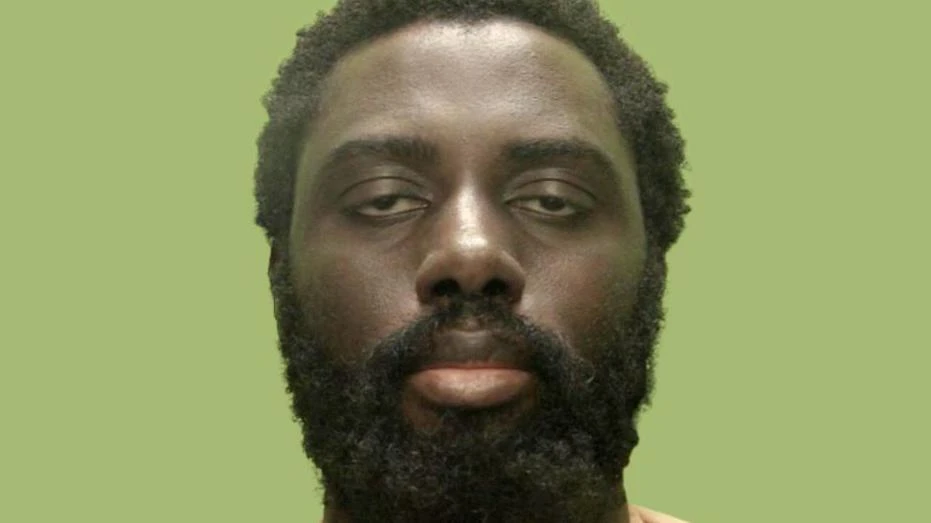
The bereaved families of Barnaby Webber, Grace O’Malley-Kumar and Ian Coates have repeatedly pressed for answers, and evidence to the inquiry has included complaints that NHS England declined to meet them. That refusal has added to criticism over how institutions respond after a killing, and over whether mental-health services, police and prosecutors shared enough information about a man already known to services before the attacks. The case has become a national examination of how risk is assessed, how discharge decisions are made, and how warning signs are handled when public safety is at stake.