Health
Nottingham hospitals review finds systemic failures harmed hundreds of families
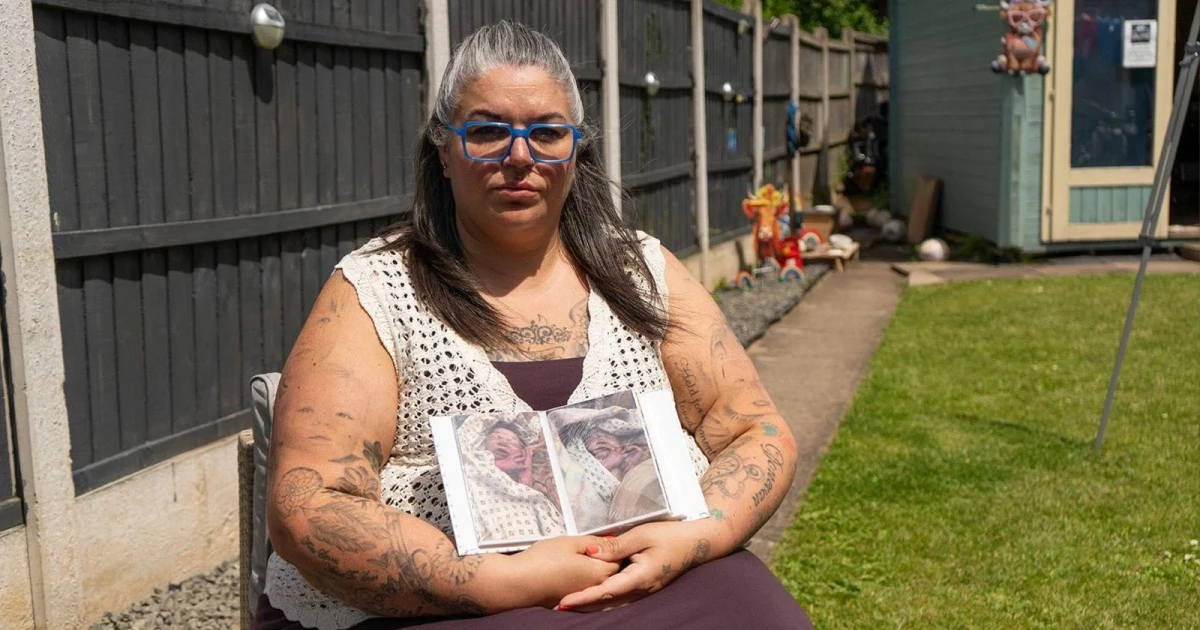
A national review of maternity care at Nottingham University Hospitals NHS Trust found hundreds of mothers and babies suffered potentially avoidable harm or died because of deeply embedded systemic failures, while mortuary staff also failed to protect the dignity of the deceased. Donna Ockenden said there were “recurring examples of failure to protect the dignity of the deceased” as the final report laid out how clinical, managerial and mortuary breakdowns combined at one of the NHS’s most scrutinised trusts.
The report was published on 24 June 2026 and presented to the House of Commons as HC 284. It found that leaders at Nottingham University Hospitals NHS Trust knew there were serious problems in maternity services going back to at least 2010, yet the warning signs were not acted on in a way that protected patients or families. The inquiry has been described as the largest of its kind in NHS history and the biggest maternity review in NHS history.

Contemporary reporting on the findings said more than 500 mothers and babies were harmed or died at the trust. Families said babies had been treated with an “absence of dignity”, a phrase that now sits alongside the review’s findings on clinical harm and institutional neglect. The trust was also described as “toxic” in coverage of the scandal, reflecting the scale of mistrust built up over years of complaints, missed opportunities and repeated failures to correct unsafe practice.
The Care Quality Commission had recently judged maternity services at both of the trust’s hospitals to be inadequate, underscoring that outside scrutiny had already identified serious problems before the final report landed. The picture set out by Ockenden is not one of a single bad decision or one rogue ward, but of a system that normalised risk, allowed concerns to linger and left families to absorb the consequences.
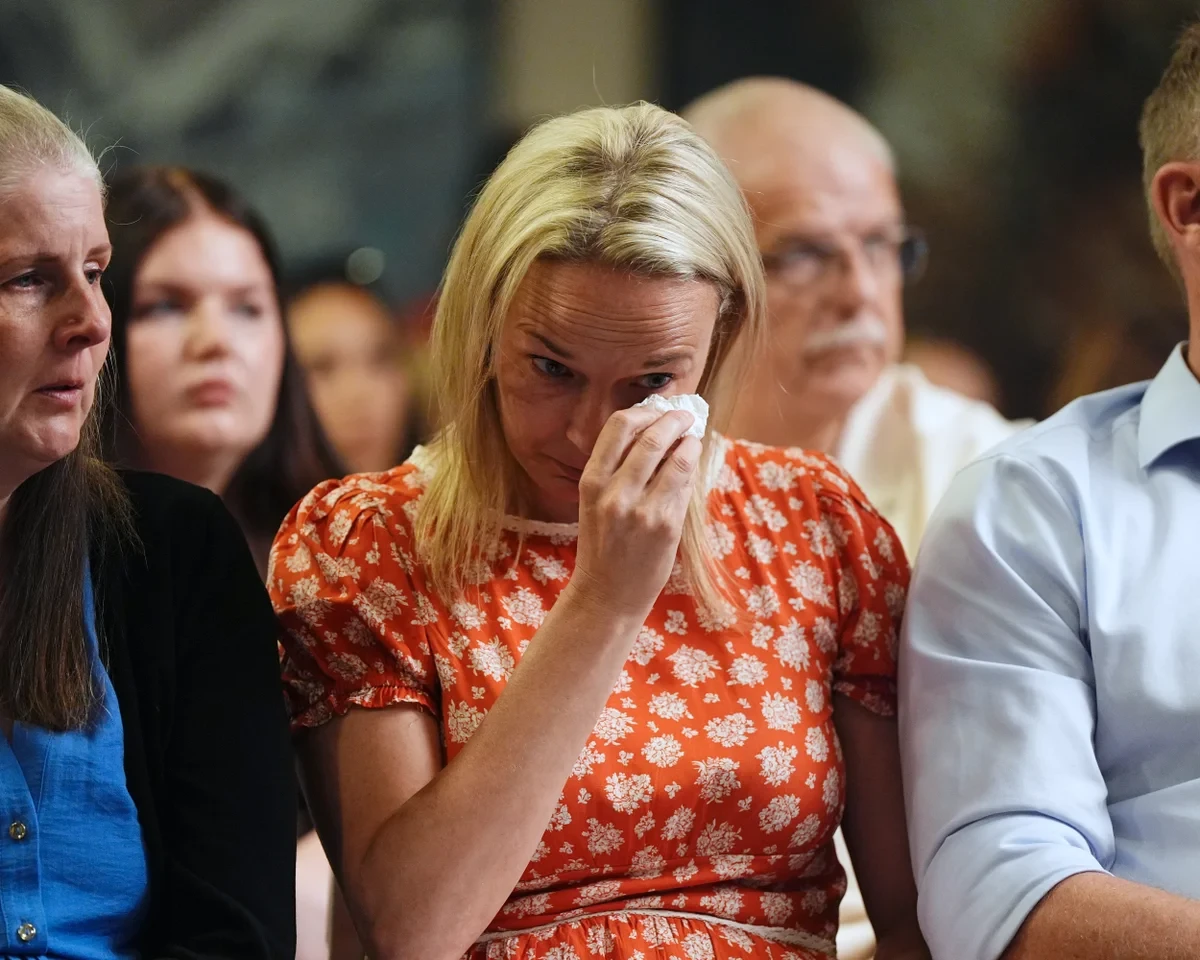
The mortuary failures were equally stark. Eight bodies were found in a state of “advanced deterioration” at the trust because there was not enough freezer space, and inspectors identified three critical and six major failings. Those findings added a grim postscript to the maternity scandal, showing that the trust’s duty of care did not end when babies died or when families needed the most basic standards of handling and respect.

Bereaved parents Sarah Hawkins and Jack Hawkins were among the prominent campaigners who pressed for a national inquiry after years of gathering evidence. Their campaign and the final report have forced a hard question about governance at Nottingham University Hospitals NHS Trust: not whether problems were known, but why repeated warnings were left without effective action for so long.
Sources
- [1]bbc.co.uk
- [2]assets.publishing.service.gov.uk
- [3]theguardian.com
- [4]bbc.com
- [5]news.sky.com
- [6]gov.uk