Technology
NSF Showdown Highlights Debate Over AI Research Funding
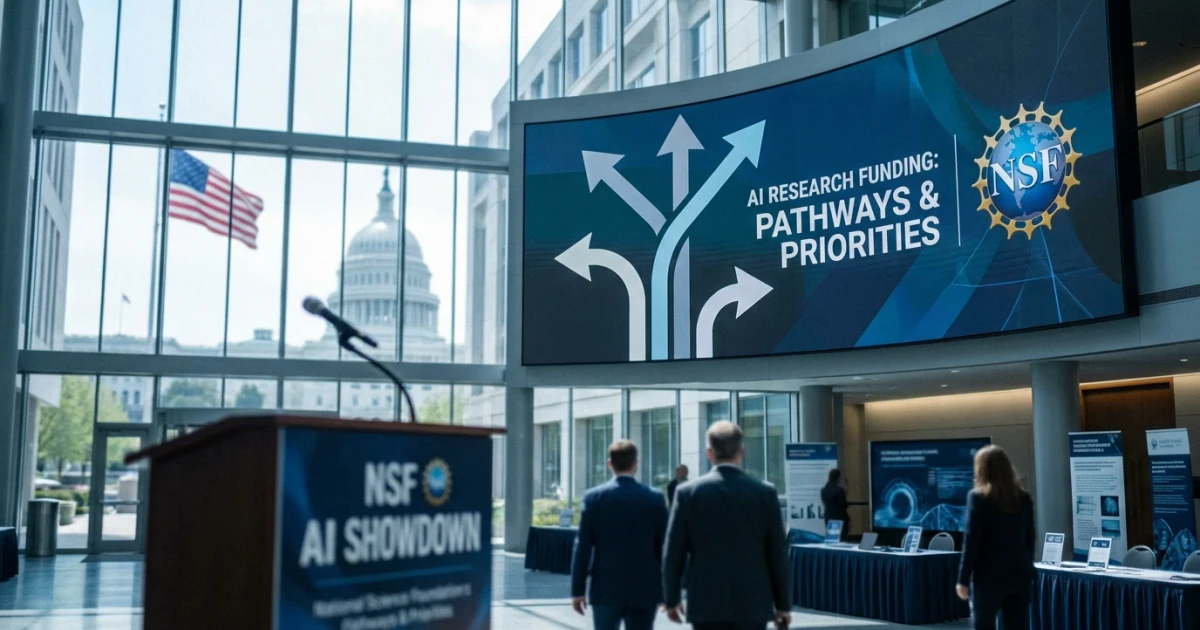
The National Science Foundation (NSF) recently convened its much-anticipated 'NSF Showdown,' a pivotal event spotlighting the ongoing debate about the future of artificial intelligence (AI) research funding in the United States. As reported by The Washington Post, the event drew attention from policymakers, scientific leaders, and technology stakeholders, underscoring the NSF's central role in shaping national priorities for AI innovation.
The Purpose and Stakes of the NSF Showdown
The 'NSF Showdown' served as a forum for evaluating different approaches to allocating federal funding for AI research. According to the official NSF Showdown records, the event brought together proposals from leading universities, research institutes, and industry partners, each vying for support to advance cutting-edge technologies. The NSF's decisions on funding distribution are widely seen as a bellwether for the U.S.'s global competitiveness in AI and related fields.
- The NSF currently supports dozens of AI-related projects through its AI Institutes Program, which facilitates multi-disciplinary research collaborations.
- Federal investment in AI has steadily increased, with NSF allocating over $500 million in AI research grants in the past year alone.
- According to NSF's science and engineering statistics, the U.S. remains a leader in AI publications and patent filings, but faces growing competition from China and the European Union.
Competing Visions for AI Funding
The event highlighted contrasting philosophies on how best to fund and govern AI research. Some participants advocated for prioritizing fundamental science—investing in the basic algorithms and mathematical models underlying AI. Others emphasized translational research, which focuses on real-world applications such as healthcare, climate modeling, and national security.
The Washington Post noted that, while consensus exists on the need for robust AI investment, disagreements persist over the balance between public and private sector involvement, ethical safeguards, and regional equity in grant distribution.
Impact on U.S. Innovation Landscape
Decisions made at the NSF Showdown could determine which research projects set the pace for AI development nationally. The State of U.S. Science and Engineering report affirms that NSF-funded programs have historically driven breakthroughs in machine learning, robotics, and data science. However, the rapid evolution of AI technologies prompts questions about whether current funding models are sufficiently agile.
Policy and Public Interest Considerations
The NSF Showdown also drew attention to policy implications, including the need for regulatory oversight and responsible innovation. The White House Office of Science and Technology Policy has called for greater coordination among federal agencies to ensure that AI research aligns with ethical standards and national objectives.
Public interest groups and academic leaders at the event urged transparency in grant allocation and emphasized the importance of diversity in research teams. As the NSF continues to evaluate proposals, stakeholders are watching closely to see how these priorities are reflected in upcoming funding announcements.
Looking Ahead
The outcome of the NSF Showdown is expected to influence the trajectory of U.S. AI research for years to come. With increasing global competition and rapid technological change, the NSF's choices will shape not only scientific advancement but also societal impacts ranging from economic growth to privacy and security.
For readers interested in exploring the data behind these decisions, comprehensive statistics on NSF funding and AI research grants are available through the NSF Award Search database, offering transparency and insight into the agency's evolving priorities.
As the NSF weighs its options following the showdown, experts agree that continued investment and thoughtful governance will be crucial to maintaining the U.S.'s leadership in AI innovation.