Sports
Nuno Gomes hails Portugal-Croatia clash as a test of tournament credentials
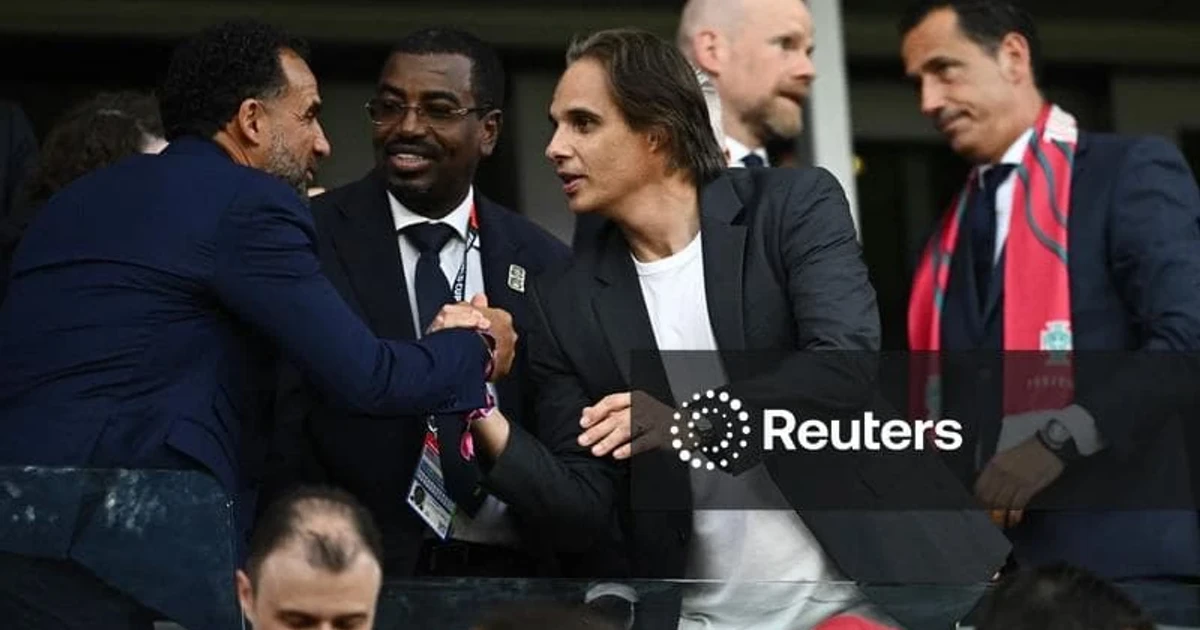
Portugal survived a late VAR scare in Toronto and beat Croatia 2-1 in the round of 32, with Gonçalo Ramos scoring in added time to keep Roberto Martínez’s side moving through the World Cup 2026 bracket. Nuno Gomes used the match to underline something beyond raw talent: Portugal’s personality under pressure, he said, would matter just as much as its star names against the elite teams still in the draw.
That point carried weight because Portugal arrived in Canada after a mixed but controlled group phase. Martínez’s team finished second in Group K after a 1-1 draw with Congo DR in Houston, a 5-0 win over Uzbekistan, and a 0-0 result against Colombia in Miami on 27 June 2026. Cristiano Ronaldo wore the captain’s armband throughout, while UEFA had set out a clear target for the squad: Portugal were chasing their first World Cup title, with the third-place finish in 1966 still their best result.
The squad also came in with an extra layer of club pedigree. Nuno Mendes, João Neves, Vitinha and Gonçalo Ramos all reached the tournament fresh from winning the Champions League with Paris Saint-Germain, giving Portugal a core of players already used to handling knockout football under intense scrutiny. Against Croatia, that experience mattered as much as the individual quality on the pitch.
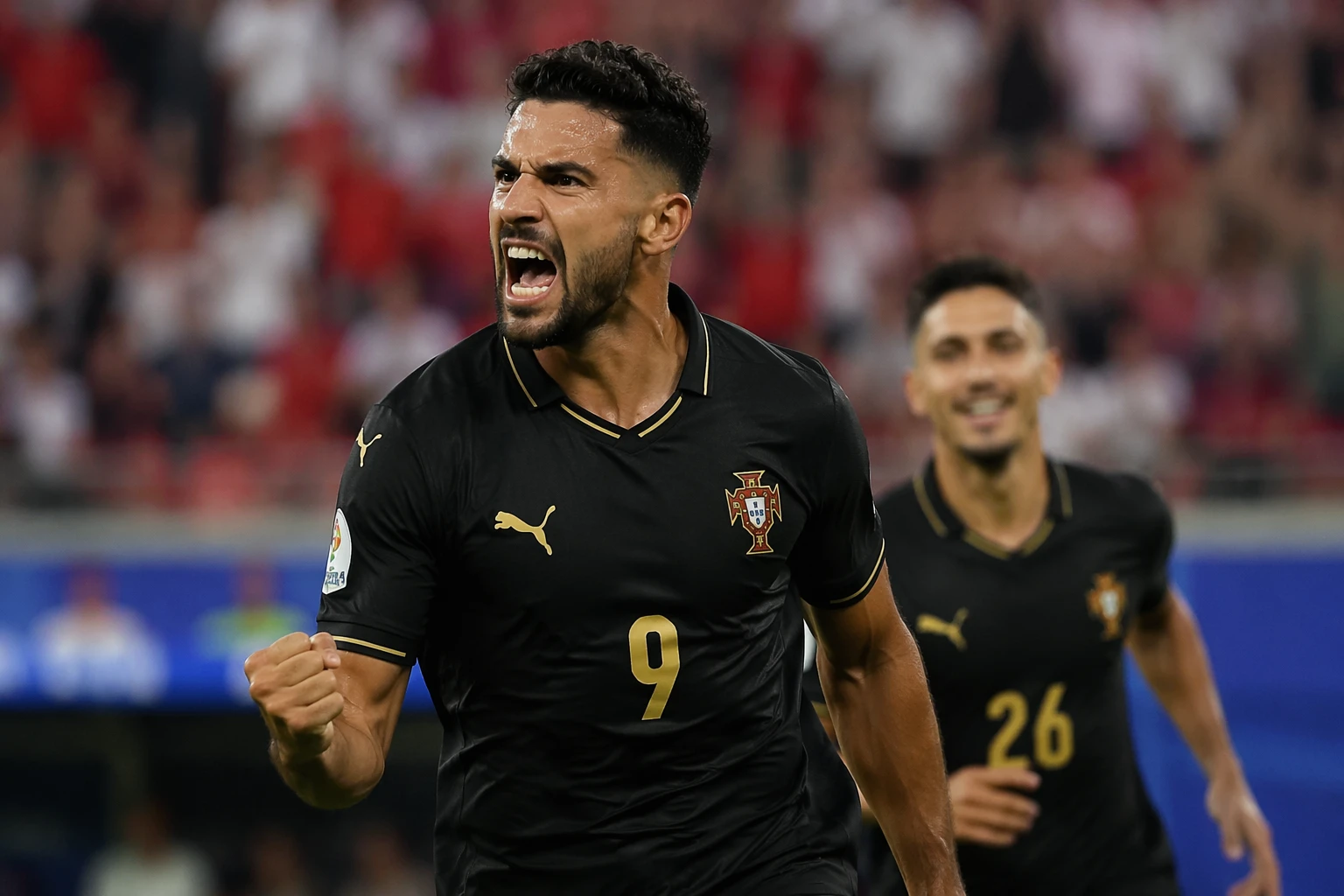
The pairing had looked tight long before kickoff. Portugal and Croatia drew 1-1 in Split in the Nations League on 18 November 2024, a reminder that neither side had been able to separate itself easily in recent meetings. The Toronto match followed the same pattern until the closing moments, when Croatia thought they had forced an equaliser, only for the VAR review to wipe it out and leave Portugal clinging to the lead.
Gomes was speaking from a place of rare authority. FIFA lists him as a former Portugal international who played in two World Cups and three European Championships, helped end the country’s 16-year wait to return to the World Cup for Korea/Japan 2002, and was part of the team that reached fourth place in 2006, still Portugal’s best finish. In Toronto, that history framed the present perfectly: a team with enough ability to compete, but still judged on whether it could stay composed when the game became frantic.
Sources
- [1]telemundo.com
- [2]uefa.com
- [3]inside.fifa.com
- [4]fifa.com
- [5]reutersconnect.com
- [6]rte.ie