Health
Nurses share the at-home medical items they swear by
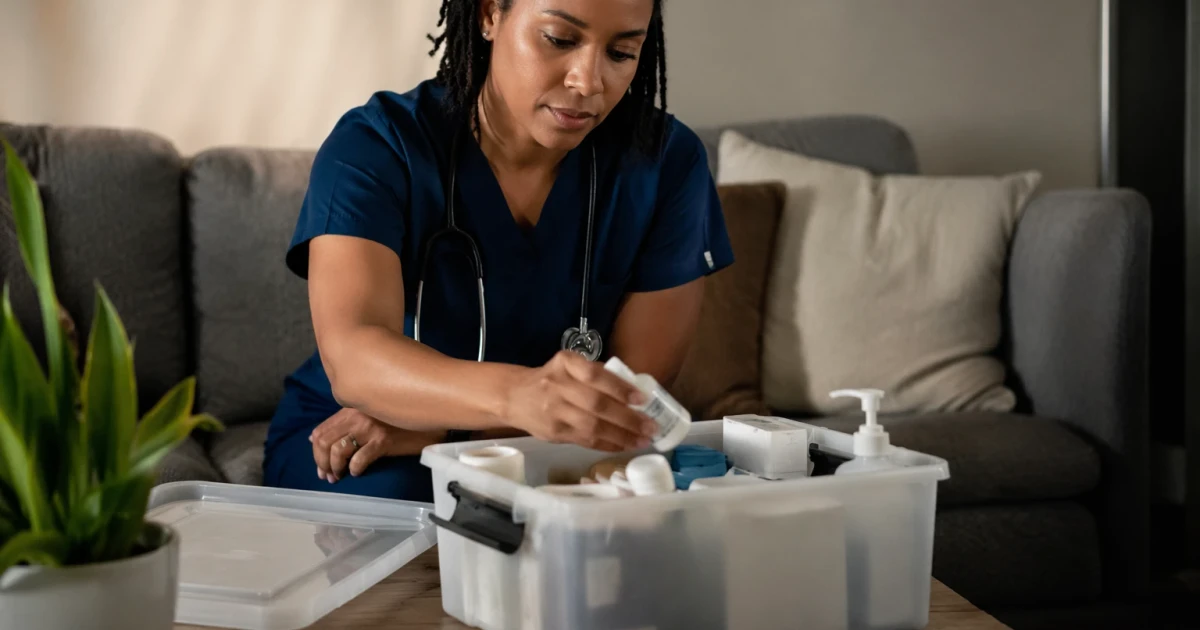
A good home medical kit is not a substitute for a clinic or emergency room, but it can keep small problems from becoming bigger ones. That is the practical thread running through what nurses keep close at hand: familiar, low-cost items that help with coughs, allergies, sunburn, cuts, and dehydration, while staying squarely within their limits.
What belongs in a serious home kit
The baseline is simple: bandages, gauze, antiseptic, pain relievers, sunscreen, decongestants, thermometers, rehydration salts, and antihistamines. Medical News Today includes those items among common home medical supplies, and they line up with the kinds of minor issues families manage most often, from scrapes and fevers to seasonal congestion and mild fluid loss.
That kind of kit does more than save a late-night trip for a cut finger or a low fever. AARP says a well-stocked first-aid kit can “promote a sense of peace of mind for the caregiver and also for the patient,” a reminder that preparedness is partly about reducing panic when something small goes wrong. Brian K. Unwin, a physician cited by AARP, puts it plainly: “promotes a sense of peace of mind for the caregiver and also for the patient.”
Vicks VapoRub: familiar, but narrowly useful
Among the items nurses turn to, Vicks VapoRub remains one of the most recognizable. The mentholated ointment has been sold for more than 125 years, and its longevity helps explain why it still shows up in home medicine cabinets across the country. Its enduring appeal is simple: many people use it when cough and congestion make sleep harder.
That said, the product has clear boundaries. Mayo Clinic says Vicks VapoRub is unsafe for any use in children under 2 years old. For adults and children 2 and older, Mayo Clinic says it should be used only on the chest and neck, not in ways that put it near the nose, mouth, or broken skin. That makes it a comfort item for cold symptoms, not a cure, and certainly not a reason to delay care for breathing trouble, high fever, or a worsening illness.
The product’s long history is tied to North Carolina pharmacist Lunsford Richardson, who originally formulated it to treat his son’s croup. Today the brand is part of Procter & Gamble’s portfolio, but the public-health question is unchanged: it may ease discomfort, yet it does not replace medical evaluation when symptoms point to something more serious.
Benadryl and the role of antihistamines
Benadryl appears in the Post’s roundup because it serves a specific purpose that many households know well: temporary relief from allergic reactions and itching. In that context, it belongs in the same practical category as the rest of a first-aid drawer, a tool for short-term symptom control rather than a broad solution for every rash or reaction.
That distinction matters. Antihistamines are useful when the issue is mild itching or uncomplicated allergy symptoms, but they are not a stand-in for emergency treatment when swelling, breathing problems, dizziness, or a severe reaction is involved. The value of keeping Benadryl or another antihistamine at home is not that it solves everything; it is that it can help address a common nuisance quickly while a person decides whether the situation is minor or escalating.
Aloe vera gel for sunburn and minor skin irritation
Aloe vera gel earns its place for a different reason: it is one of the simplest at-home products for skin discomfort. Nurses keep returning to it because it is widely used to soothe sunburn and minor irritation, two problems that are painful but usually manageable outside a clinical setting.
The limits are just as important as the benefits. Aloe can cool and calm irritated skin, but it does not treat deep burns, blistering injuries, infected wounds, or signs of a more serious skin problem. Used properly, it is a modest, practical item that supports recovery from everyday irritation. Used as a catch-all for burns or rashes that are worsening, it can delay the care that actually matters.
Why thermometers and rehydration salts matter more than they look
Some of the most important items in a home kit are the least glamorous. Thermometers help separate a rough day from a true fever, and rehydration salts are useful when vomiting, diarrhea, heavy sweating, or a stomach bug starts draining fluids. Those are not dramatic tools, but they are often the ones that tell you whether a symptom is settling down or heading in the wrong direction.
Pain relievers and decongestants also have their place, especially when used for short-term relief of headache, body aches, or nasal congestion. The common thread is restraint: these products are meant to buy time and reduce discomfort, not to mask a serious illness or replace a diagnosis. A home kit works best when it helps you respond early and realistically.
A practical checklist for the medicine cabinet
A home kit built around nurse-tested basics should cover a few clear needs:
• Wound care: bandages, gauze, and antiseptic • Symptom relief: pain relievers, decongestants, and antihistamines • Measurement and monitoring: a thermometer • Fluid support: rehydration salts • Skin care: sunscreen and aloe vera gel • Cough comfort: Vicks VapoRub, used only within the age and placement limits Mayo Clinic sets
That list is useful because it reflects how families actually handle minor injuries and illnesses. It does not promise to replace professional care. It gives you the supplies to clean a cut, cool a sunburn, treat a simple allergic itch, or monitor a fever while deciding whether the problem is truly minor.
The strongest home kits are built on that discipline. They are stocked with tools that can help in common emergencies, and they are honest about what they cannot do.
Sources
- [1]news.google.com
- [2]newsweek.washingtonpost.com
- [3]msn.com
- [4]mayoclinic.org
- [5]healthline.com
- [6]aarp.org
- [7]medicalnewstoday.com