Technology
Nvidia cuts Asian AI chip customers amid China export scrutiny
Nvidia has more than halved the number of Asian customers approved to buy its AI chips after tightening compliance checks designed to keep advanced processors from reaching China. The new approved list cut out more than half of the company’s previous customers in the region, with neo-cloud providers hit especially hard.
The review was most intense in Singapore, Malaysia and Japan, where Nvidia has been stepping up due diligence over the past few months. Companies that failed the first screening were not necessarily done: they could change their applications and reapply, a sign that access is now being decided as much by compliance paperwork as by demand for computing power.
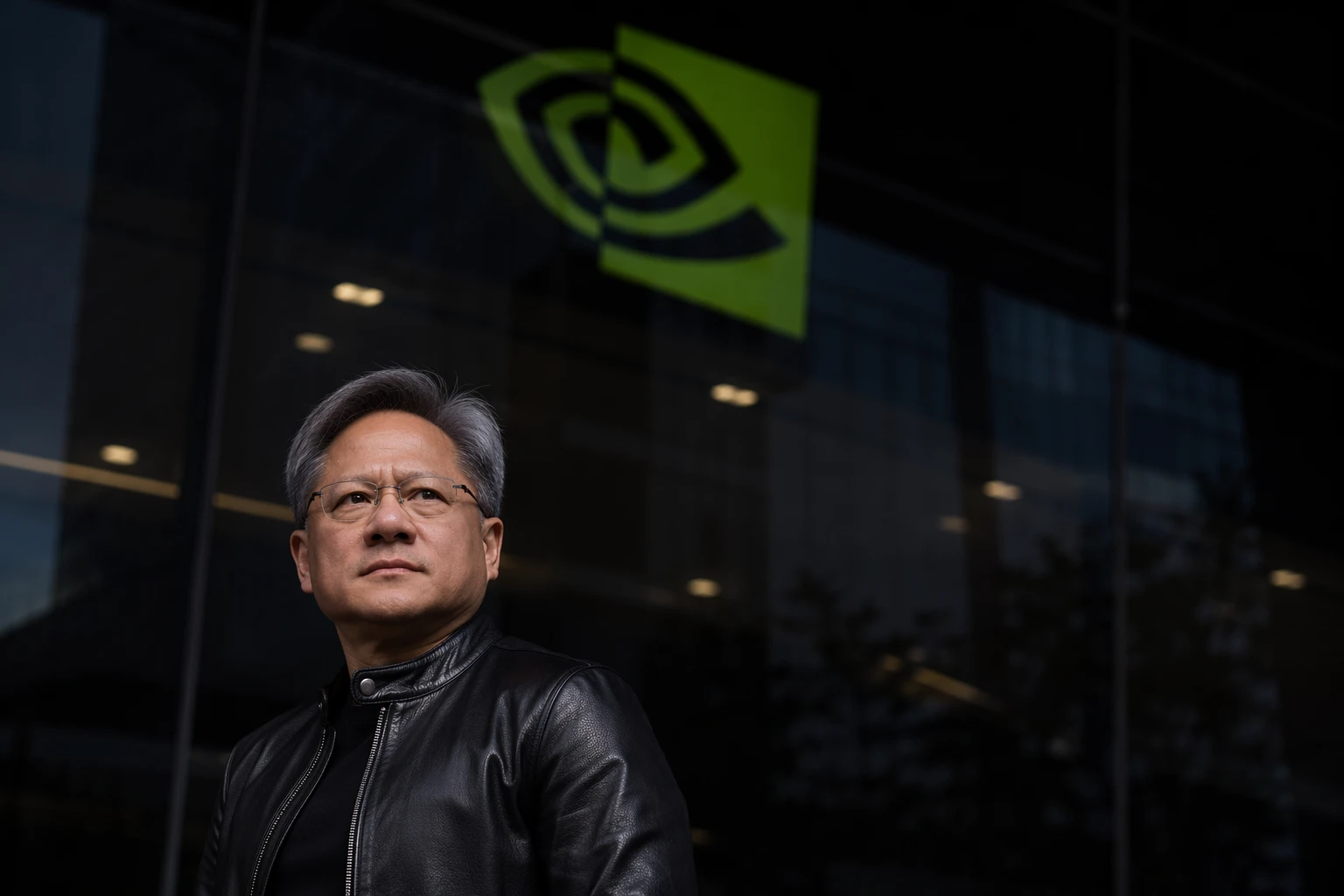
The screening lands in the middle of a broader U.S. effort to choke off diversion routes for advanced chips. In May, the U.S. Department of Commerce’s Bureau of Industry and Security said a license is required to export advanced computing items to entities headquartered in Country Group D:5 or Macau, or to companies with an ultimate parent headquartered there. BIS updated its FAQ on June 17 to make clear that the rule applies to advanced computing items including 3A090, 4A090 and related .z items.
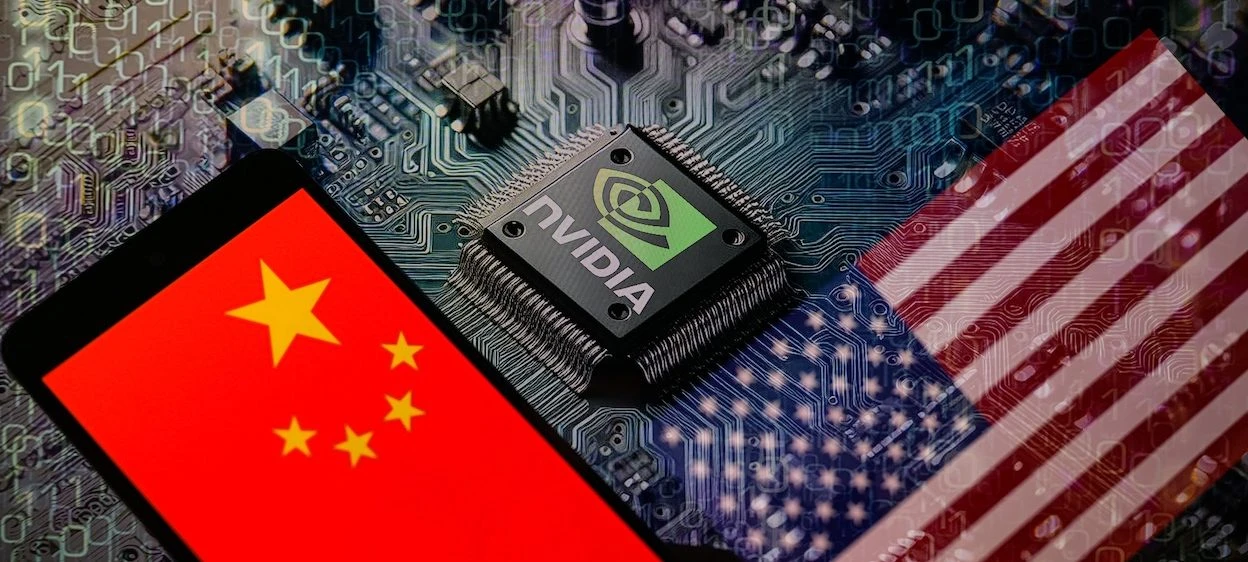
The agency has also pushed the market to treat Chinese-linked chip flows as a security problem, not just a trade issue. On May 13, 2025, BIS warned that PRC advanced-computing ICs, including some Huawei Ascend chips, may have been developed or produced in violation of U.S. export controls, and said use of those chips can risk enforcement action. BIS said the 2026 guidance was intended to strengthen export controls for overseas AI chips, protect supply chains and curb diversion tactics.
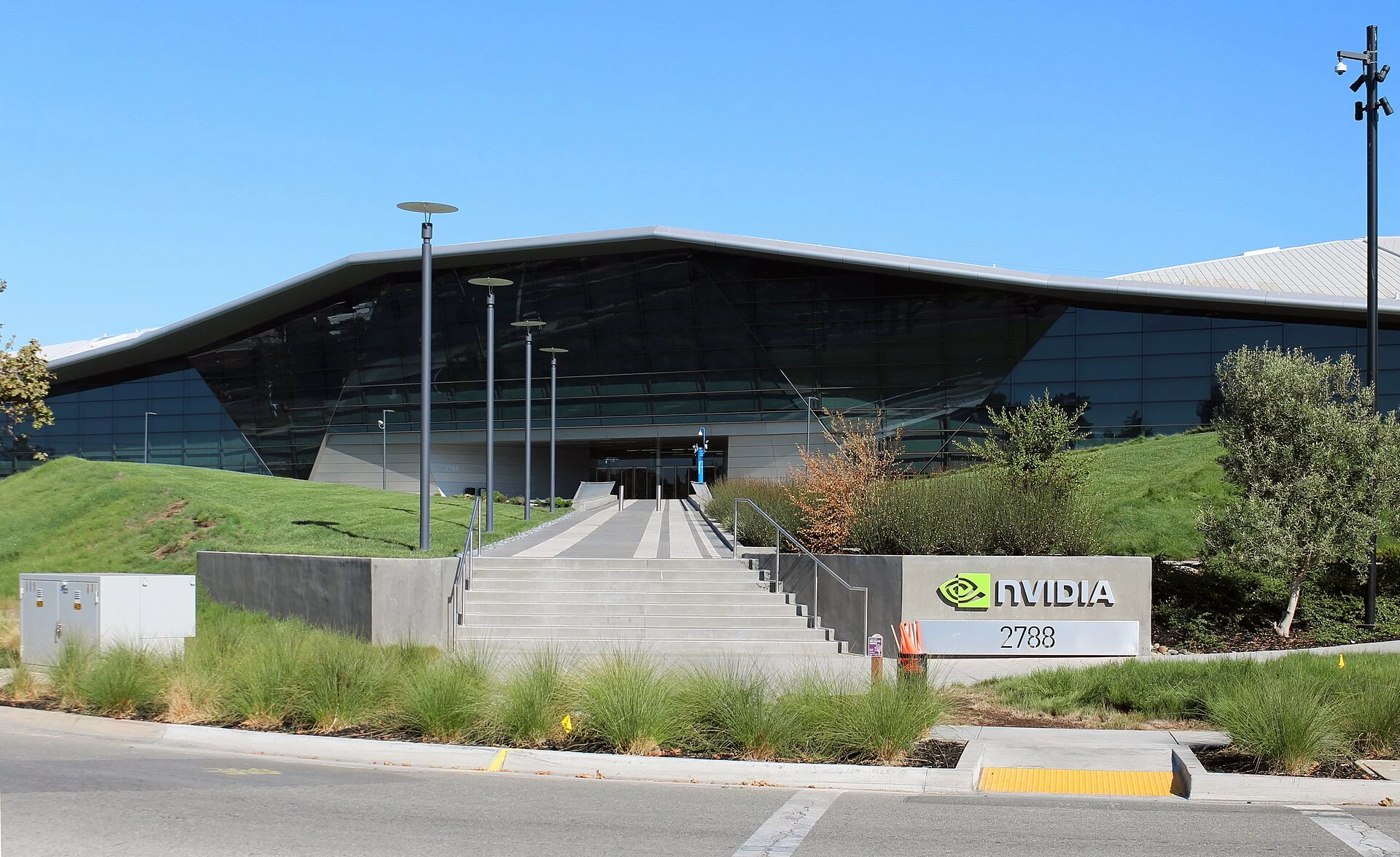
For Nvidia, the shift shows how the rules of the AI boom are being rewritten around who can pass screening, not just who can pay. The company has continued to tout the scale of demand, saying in February 2026 that it had posted fourth-quarter and fiscal 2026 results, and in March that Jensen Huang projected $1 trillion in AI chip sales as the next computing era unfolds. But the customer whitelist in Asia suggests that future growth may be increasingly concentrated among larger and politically safer buyers that can clear the rising compliance bar.
Sources
- [1]aol.com
- [2]bis.gov
- [3]media.bis.gov
- [4]nvidianews.nvidia.com
- [5]ft.com