Technology
Nvidia deepens South Korea ties with SK Hynix AI memory deal
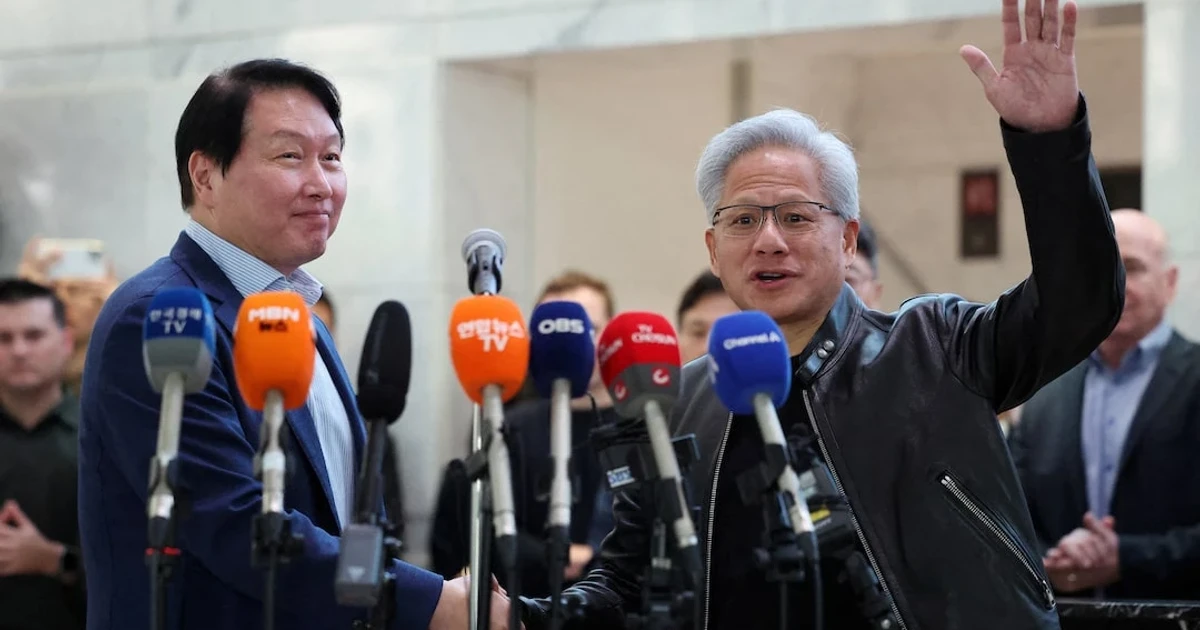
Nvidia turned Jensen Huang’s five-day South Korea visit into a supply-chain offensive, striking agreements with SK Hynix, SK Telecom, NAVER and Doosan Group that underscored how much of the AI race now hinges on memory, power and data-center capacity. The companies did not disclose deal values, but the talks made clear that Nvidia is working to secure the industrial base behind its chips, not just sell accelerators.
The centerpiece was SK Hynix. Nvidia and SK Hynix said on June 7 that they had signed a multiyear technology partnership to advance next-generation memory for AI factories, with Nvidia saying the work would help accelerate semiconductor design and manufacturing. After meeting SK Group chairman Chey Tae-won, Huang said SK Hynix would remain Nvidia’s largest memory partner. He added that Nvidia already bought SK Hynix memory in the range of “billions and billions of dollars each year,” and said the amount would rise sharply as AI demand spread beyond chatbots into robotics, personal computers and AI supercomputers.
Chey had already said at Computex in Taipei earlier in the month that SK Hynix aimed to double total wafer capacity over the next five years, a sign of how tight the memory market has become. Huang’s remarks pointed to the same bottleneck from Nvidia’s side: even major capacity expansion may not be enough when AI infrastructure shifts from pilots to industrial deployment.
The other agreements showed Nvidia widening the frame beyond chips. SK Telecom said it would build a gigawatt-scale AI cloud in South Korea using Nvidia technology, with the first AI factory expected online in 2027. Nvidia said that system would use its DSX platform. NAVER said it would expand sovereign AI infrastructure starting at 55 megawatts and move toward gigawatt scale using the same platform, including support for enterprises, industries and government. Its Sejong hyperscale data center is part of that push.
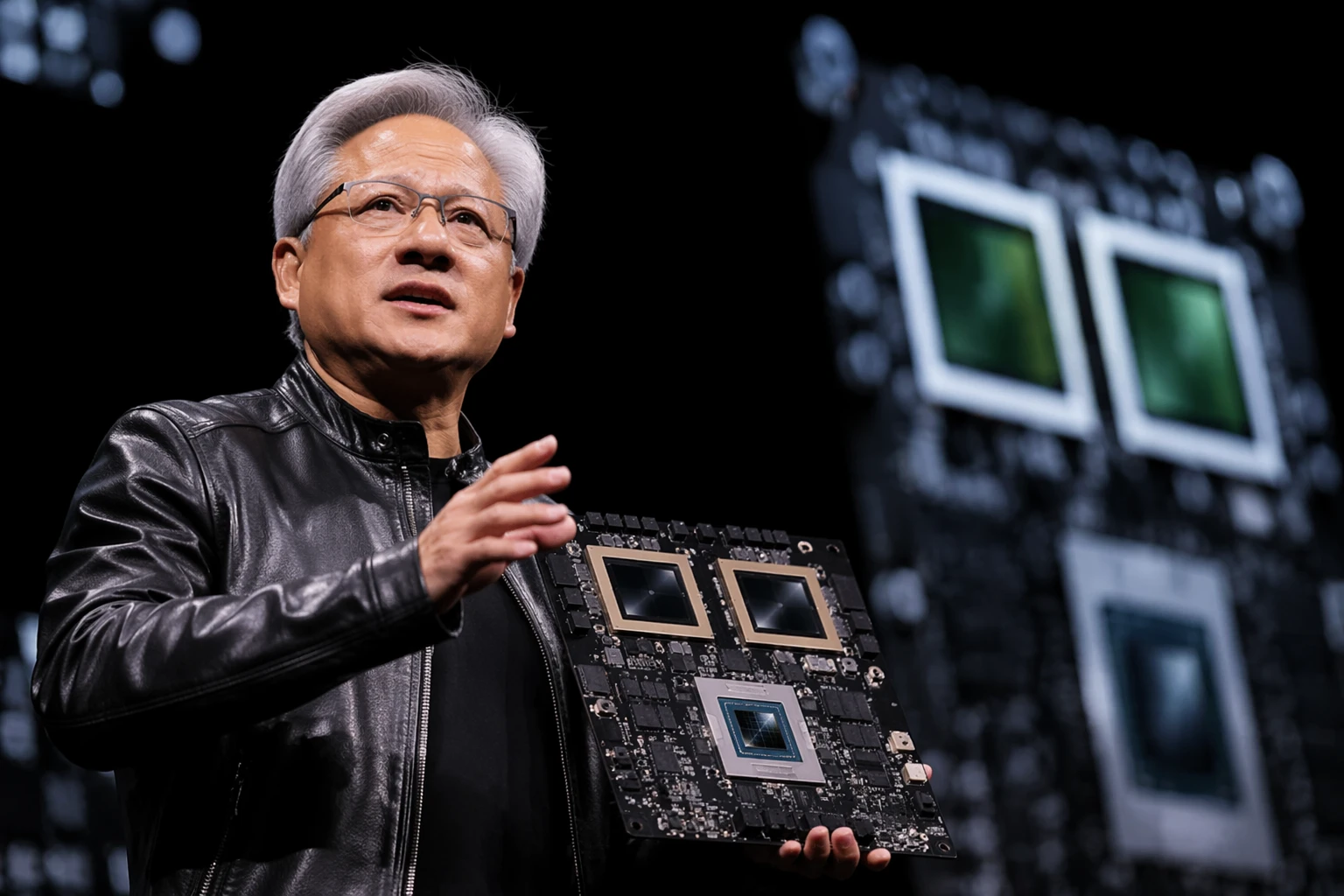
Doosan Group’s partnership pushed into the physical layer of AI buildout. The companies said Doosan Enerbility would support power infrastructure for AI factories, Doosan Robotics would work on an agentic robot operating system using Nvidia physical-AI tools, and Doosan Corporation would contribute advanced copper clad laminate materials for AI accelerators. The mix of power, materials and automation made plain that Nvidia is trying to embed itself across the industrial stack that AI now requires.
Huang’s trip also drew unusual public attention. South Korean media tracked his schedule online, while his stops included grilled pork belly, soju, a ceremonial baseball pitch and a meeting with a well-known gamer. The spectacle may have grabbed headlines, but the deals told a more important story: in the AI boom, control over components and manufacturing partnerships is becoming as valuable as chip design itself.