Health
NYC health officials warn Central Park visitors as Legionnaires’ cases rise
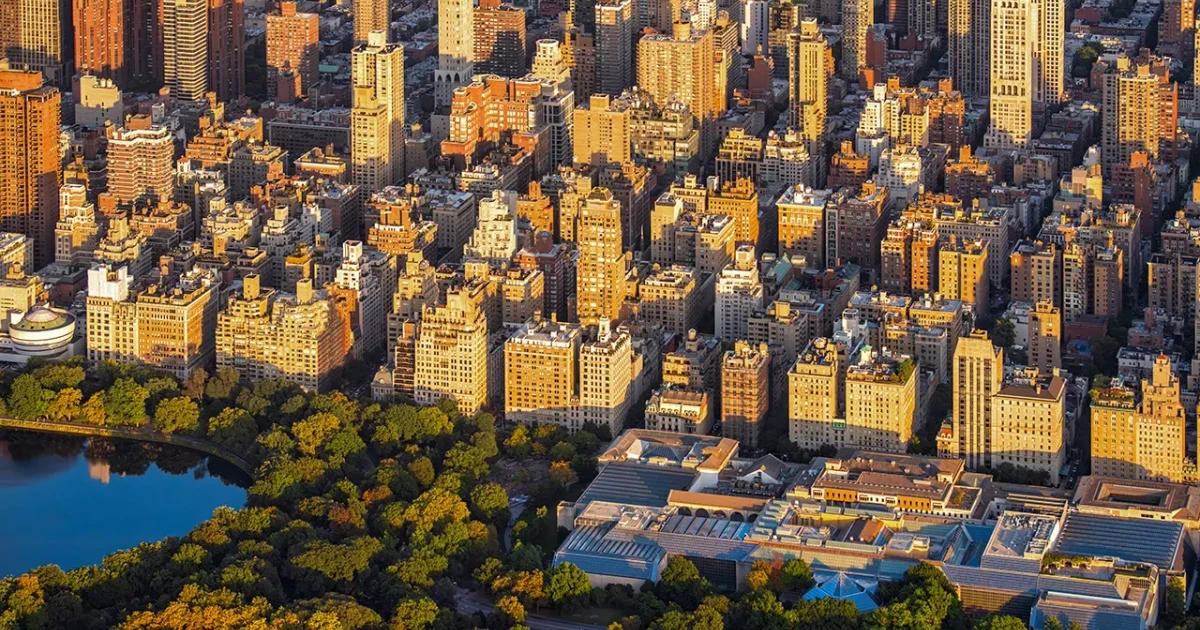
Eighteen Legionnaires’ cases are tied to the Upper East Side, and New York City health officials are warning anyone who spent time on the east side of Central Park between East 76th Street and East 97th Street to watch for symptoms. The cluster began in Carnegie Hill and Yorkville, in ZIP codes 10028 and 10128, and later extended to ZIP code 10075. No deaths have been linked to the cluster, and the outbreak is not tied to any building’s plumbing system.
The Health Department launched its investigation on July 2, 2026, after identifying a likely community cluster. Adults who were in the affected area since late June and now have flu-like symptoms should seek immediate medical care. Legionnaires’ disease is not spread from person to person, but it can become severe quickly, and symptoms can appear 2 to 10 days after exposure.
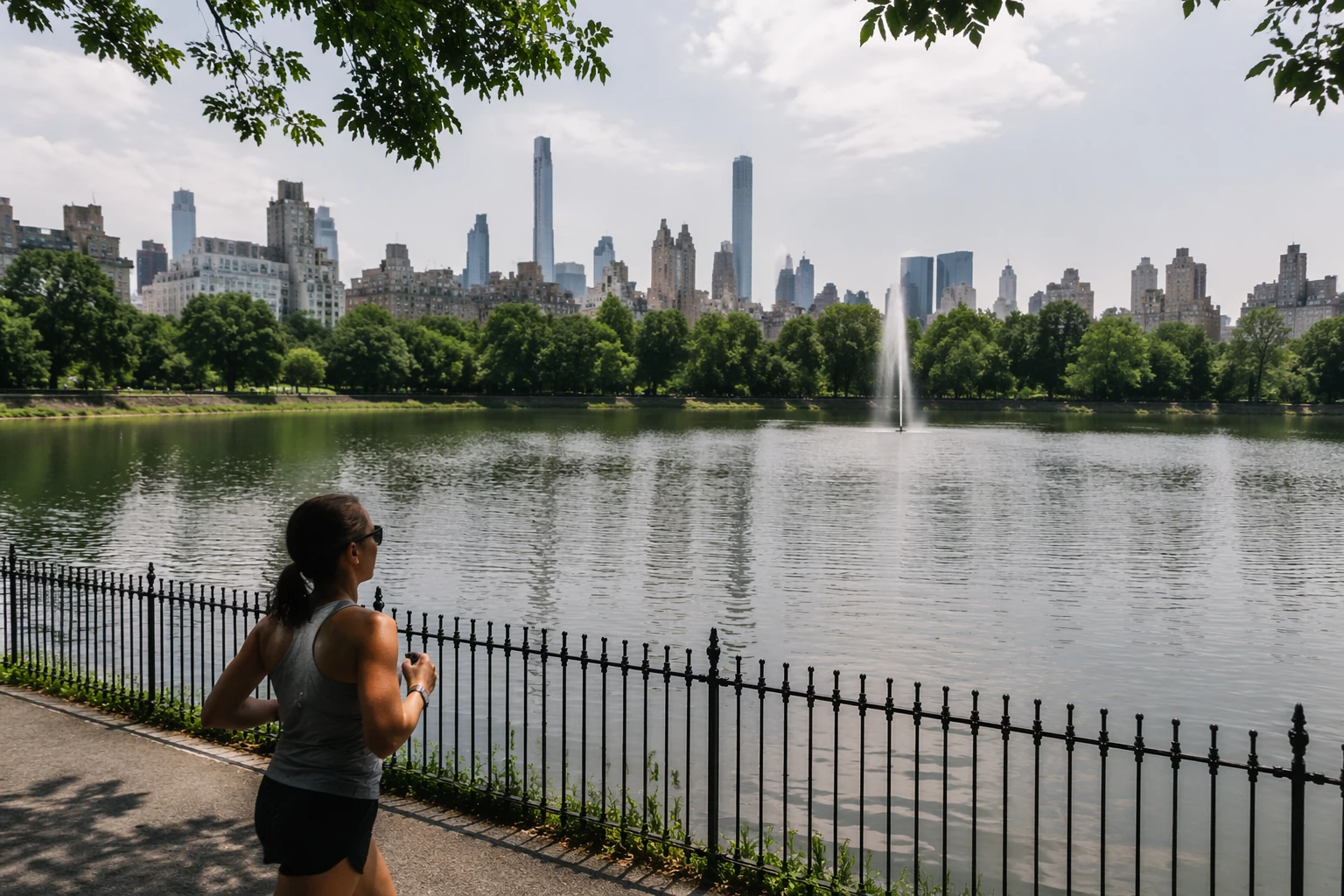
Those symptoms include cough, muscle aches, a high fever, chills and breathing trouble, especially after being near the east side of Central Park. Legionnaires’ is a serious form of pneumonia linked to breathing in contaminated water vapor, not to casual contact between people.
Officials have not tied the cluster to any building’s plumbing system. Cooling towers and other aerosol-generating systems have been implicated in past outbreaks in Manhattan.
In 2015, a South Bronx outbreak produced 138 cases and 16 deaths. The Centers for Disease Control and Prevention later included it among the largest and deadliest U.S. outbreaks ever tied to a single cooling tower. City data put Legionnaires’ disease incidence at 2.3 to 4.7 cases per 100,000 residents between 2007 and 2017.
Sources
- [1]news.google.com
- [2]nyc.gov
- [3]abc7ny.com
- [4]mingooland.com
- [5]newsday.com
- [6]cdc.gov