Technology
NYC Hearing Reveals Oversight Gaps in AI and Surveillance
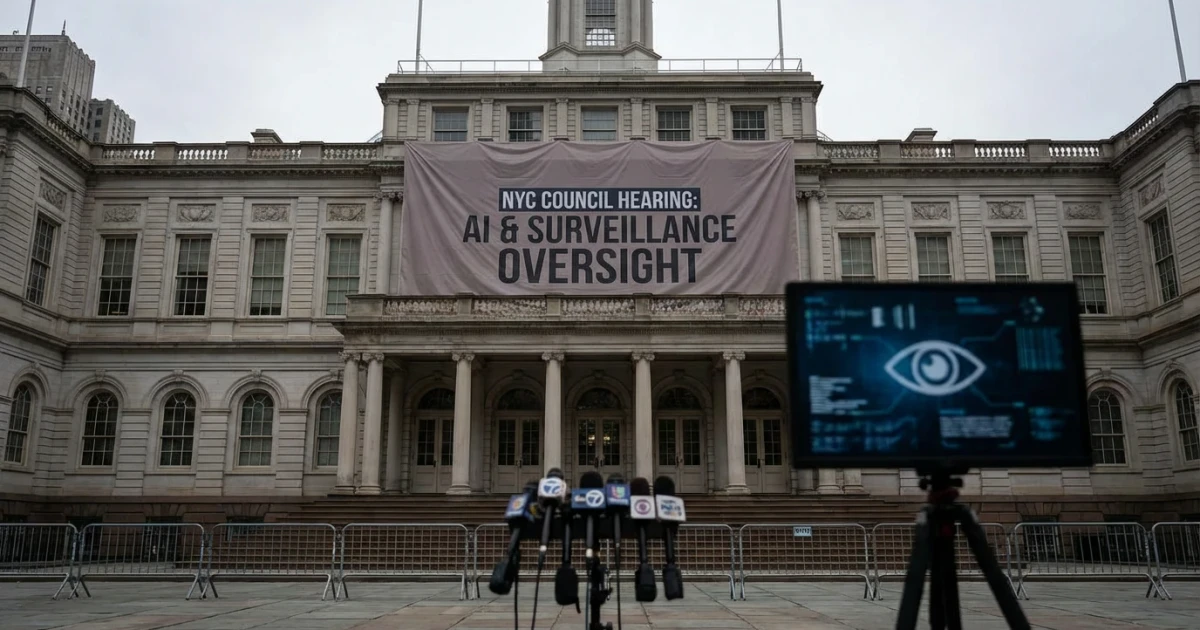
New York City faces significant challenges in monitoring how its agencies deploy artificial intelligence and surveillance technologies, as revealed during a recent city council oversight hearing. Lawmakers, policy experts, and advocacy groups raised concerns about transparency, accountability, and the need for clearer regulations governing the use of these advanced tools across municipal departments.
City Council Scrutinizes Agency AI Usage
The oversight hearing, as reported by StateScoop, put a spotlight on the growing adoption of AI systems and surveillance technologies within New York City government. Council members questioned agency representatives about how algorithms and automated decision systems are being used in critical public services—ranging from policing to social welfare programs—and pressed for greater transparency regarding their deployment and impact.
Despite the city's formal commitment to responsible AI practices, as outlined in the NYC AI Action Plan, officials acknowledged that several agencies lack comprehensive inventories of their AI tools and have inconsistent processes for evaluating their accuracy and fairness. The hearing exposed that, while some departments have made progress cataloging their systems, many others have not yet fully complied with oversight requirements, leaving potential gaps in public accountability.
Transparency and Accountability Concerns
Advocacy groups and city council members voiced concerns over the opaque nature of some technologies in use. The NYC AI Inventory—an official listing of known AI systems in city government—shows dozens of tools in use, but the inventory is self-reported and may not reflect the full extent of technology adoption. This lack of comprehensive data makes it difficult for both city officials and the public to fully assess the risks, benefits, and unintended consequences of AI-driven systems.
During the hearing, several lawmakers pointed to the importance of public trust and emphasized the need for robust oversight, particularly when systems impact fundamental rights or deliver essential services. The lack of standardized evaluation protocols for algorithmic fairness and bias was cited as a key area for improvement. As the Brennan Center for Justice has analyzed, automated decision-making can amplify existing social inequities if not carefully monitored and corrected.
Surveillance Technology in Focus
The use of surveillance tools—including facial recognition, predictive policing software, and other data-driven technologies—was another major topic of inquiry. According to data available from the NYC Civilian Complaint Review Board, complaints concerning police use of surveillance technology have grown in recent years, underscoring public apprehension over privacy and civil liberties.
The NYC Department of Investigation has previously found that the NYPD and other agencies sometimes deploy new technologies before robust oversight procedures are in place, raising questions about the sufficiency of existing controls. Lawmakers at the hearing called for clearer guidelines and stronger reporting requirements to ensure that all uses of AI and surveillance tools undergo proper review and risk assessment.
Path Forward: Calls for Reform and Stronger Oversight
In response to the hearing, several recommendations emerged:
- Require all agencies to maintain up-to-date public inventories of their AI and surveillance systems
- Mandate regular audits to assess the impact, accuracy, and fairness of AI-driven decisions
- Standardize evaluation frameworks across agencies to detect and mitigate algorithmic bias
- Enhance public engagement and transparency regarding how data and technology are used in city services
- Strengthen compliance with policies such as Executive Order 50 on automated decision systems
Experts agree that as technology adoption accelerates, New York City will need to balance innovation with robust safeguards to protect residents’ rights. The oversight hearing marks an important step towards identifying and addressing gaps, but sustained commitment and cross-agency coordination will be essential for meaningful reform.
As New York continues to serve as a national testbed for civic AI and surveillance technology, the outcomes of ongoing oversight efforts will likely shape how other cities approach transparency, accountability, and public participation in government technology.