US News
Obama Presidential Center opens June 19, bringing visitors to Chicago’s South Side
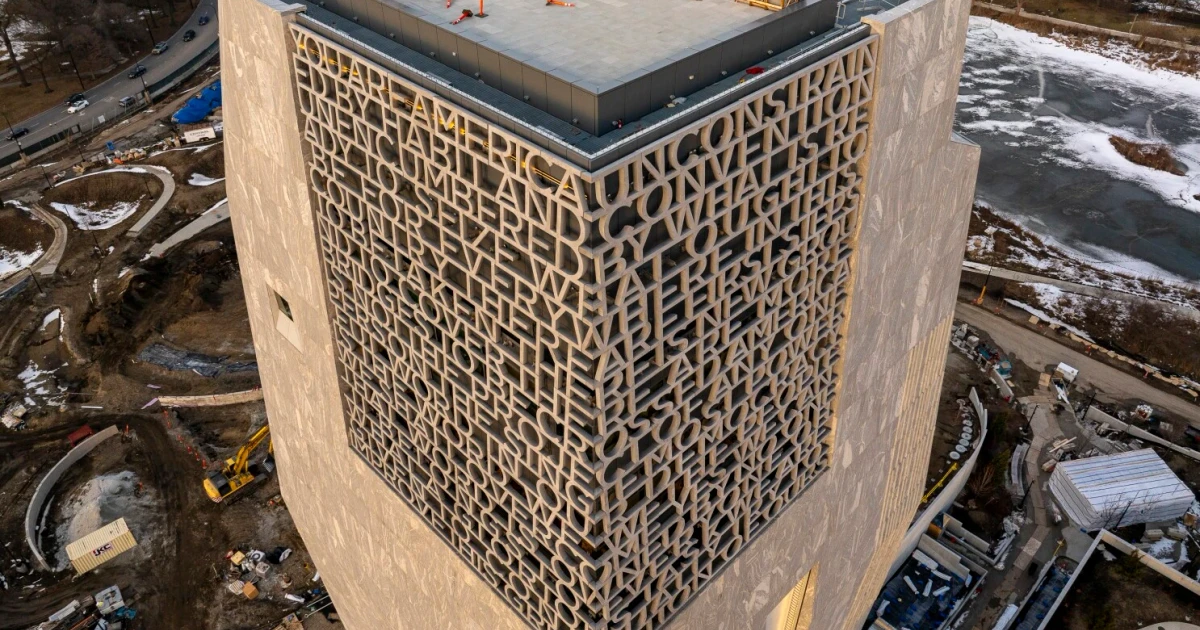
The Obama Presidential Center will begin welcoming the public on June 19, bringing a new museum, library branch and 19-acre campus into Jackson Park on Chicago’s South Side. The opening is designed to draw visitors into Hyde Park and beyond, but it also puts a marquee civic project under a familiar question: who benefits when a global destination lands in a neighborhood already shaped by public land, transit access and rising development pressure?
The Obama Foundation has scheduled an invite-only Grand Opening Ceremony for June 18, with livestream access, followed by Opening Weekend celebrations on June 20 and 21. It is also planning free public activities during the first weekend the campus is open to everyone. The center’s campus sits at 6001 S. Stony Island Ave. in Chicago’s 60637 ZIP code and includes four buildings, a Great Lawn and a museum that spans four floors and traces the story of Barack and Michelle Obama alongside the legacy of the Obama presidency.
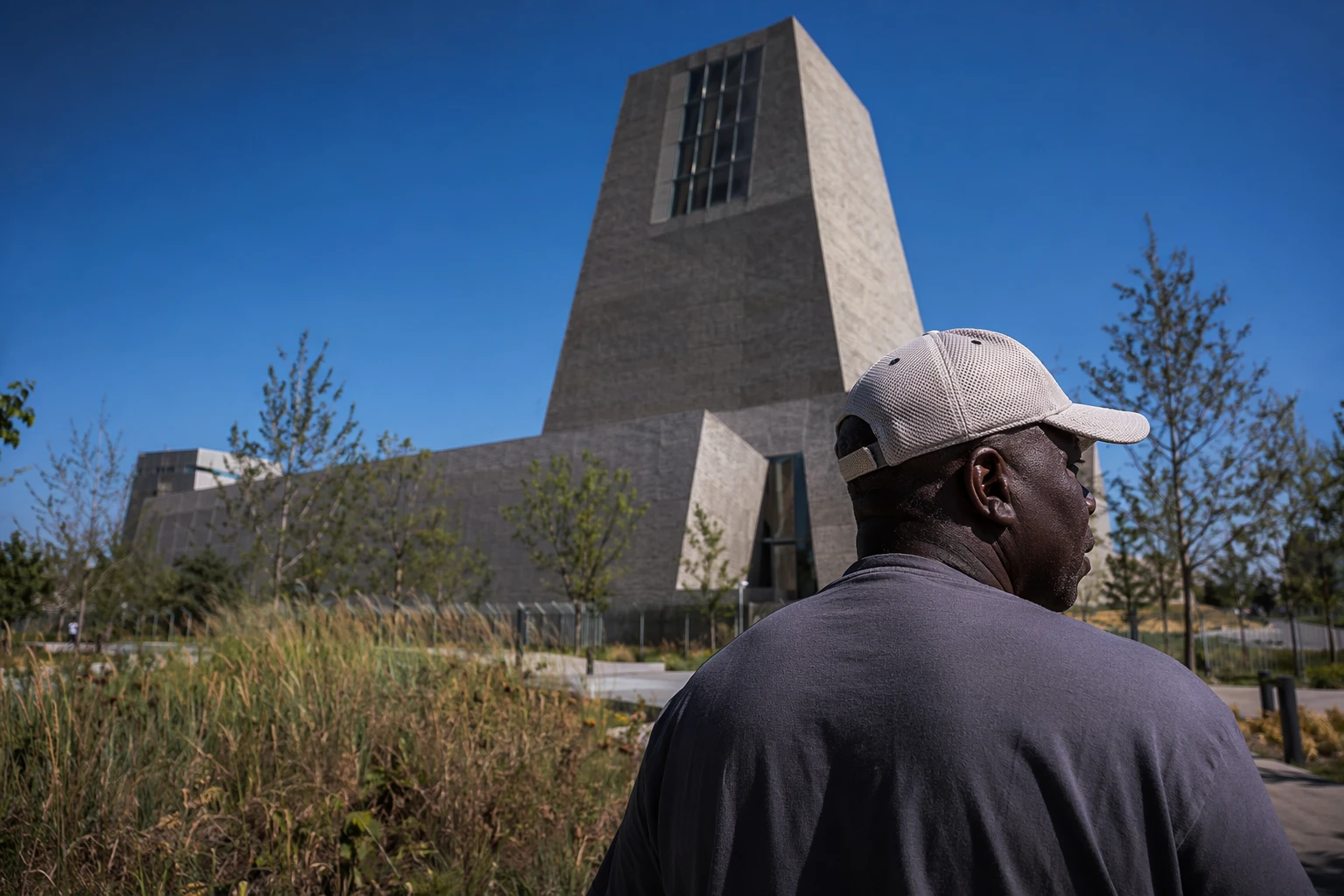
The Foundation describes the site as 19 acres, and also as 19.3 acres, a detail that underscores the scale of the project as it moves from construction to public use. Visitor logistics already reflect the project’s car-oriented reality: the campus has parking validation and nine EV charging stations, while the Foundation says there is no direct CTA train line to the center and recommends nearby rail connections plus bus routes.
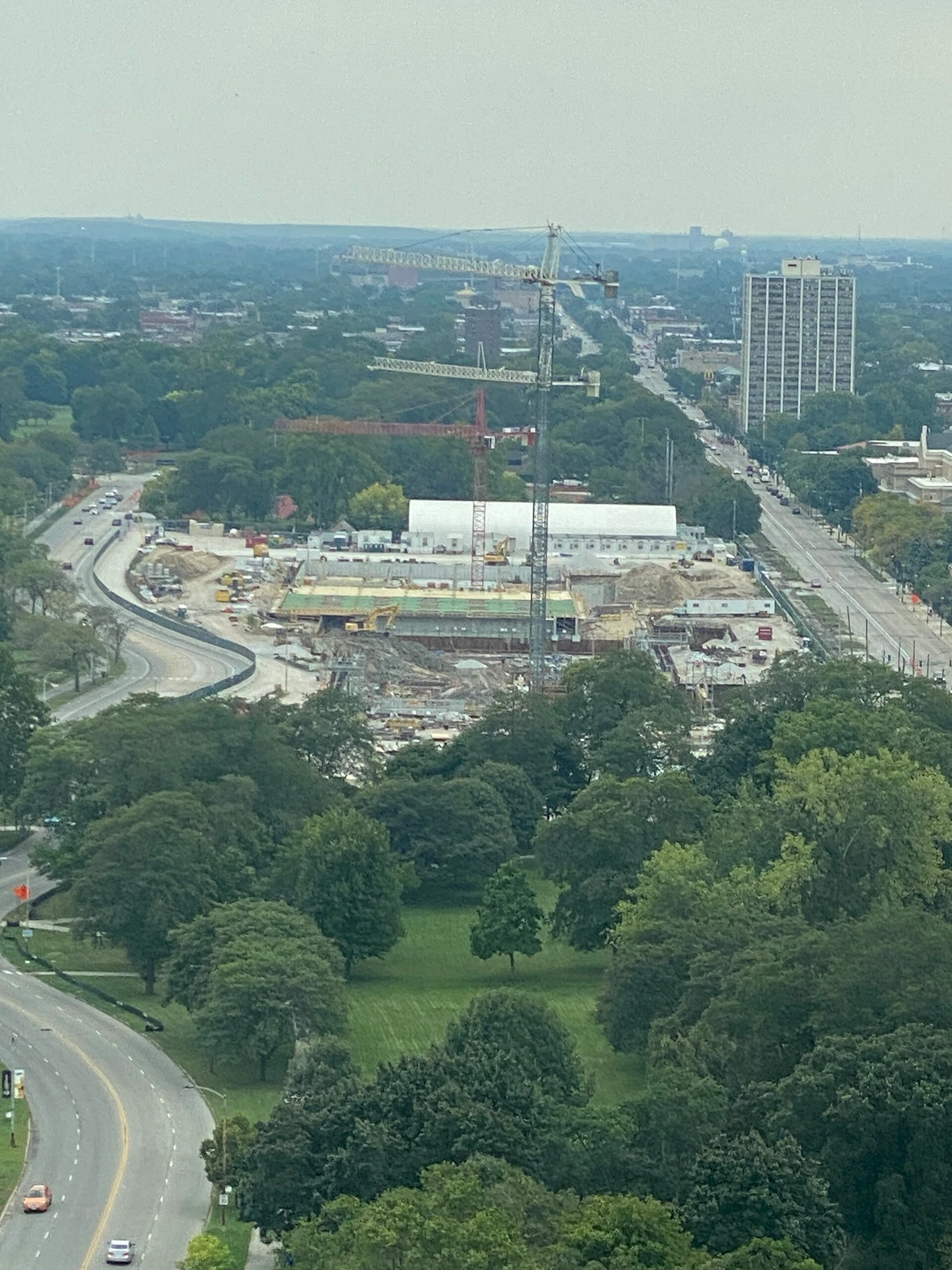
That transportation detail matters because the Obama Presidential Center is not being built on blank land. It rises in Jackson Park, a landscape the National Park Service says Frederick Law Olmsted transformed from a marshy, wind-swept dune into basins and lagoons. Federal park-planning documents tie changes in and adjacent to Jackson Park to the privately funded Obama Presidential Center and the 2018 South Lakefront Framework Plan, placing the project inside a larger debate over how public space, roads and neighborhood access are being reshaped around it.
The center also enters a Hyde Park neighborhood that already has presidential-site precedent. Visitors can experience the Franklin D. Roosevelt National Historic Site and the Henry A. Wallace Visitor Center nearby, a reminder that a presidential legacy can become a tourism anchor as well as an educational one. For the South Side, the question now is not whether the center will attract attention. It is whether that attention will translate into durable investment, meaningful access and local benefit, or whether the neighborhood will once again supply the setting while the biggest gains flow elsewhere.
Sources
- [1]nytimes.com
- [2]obama.org
- [3]nps.gov
- [4]parkplanning.nps.gov