Health
Obamacare insurers seek 14% premium hike for 2027, Reuters says

ACA Marketplace insurers sought a 14% median premium increase for 2027, a move that would leave many households facing higher monthly bills if regulators approve the filings. KFF’s analysis of preliminary filings from 77 ACA Marketplace insurers in 16 states and Washington, D.C., shows typical Marketplace premiums would rise by more than one-third between 2025 and 2027 under the proposed rates, while middle-income people above 400% of the federal poverty level would have to pay the full premium without enhanced tax credits.
The requests draw on preliminary filings from 77 ACA Marketplace insurers in 16 states and Washington, D.C. 20 of those insurers asked for increases above 20%, and most proposed hikes fell between 10% and 20%. Insurers have until July 15 to submit proposals to regulators, and many of the 2027 filings are not expected to be public until the end of July, leaving state review season in its early stages.
KFF’s analysis shows the underlying cost of medical care and prescription drugs is rising by 10% for 2027, above the 8% average growth seen over the last few years. Carriers point to hospitalizations, physician visits, prescription drugs including GLP-1s and other specialty medicines, labor shortages, general inflation, and provider consolidation. Healthier enrollees are expected to keep dropping Marketplace coverage, a shift KFF’s analysis puts at about 4% to premiums next year.
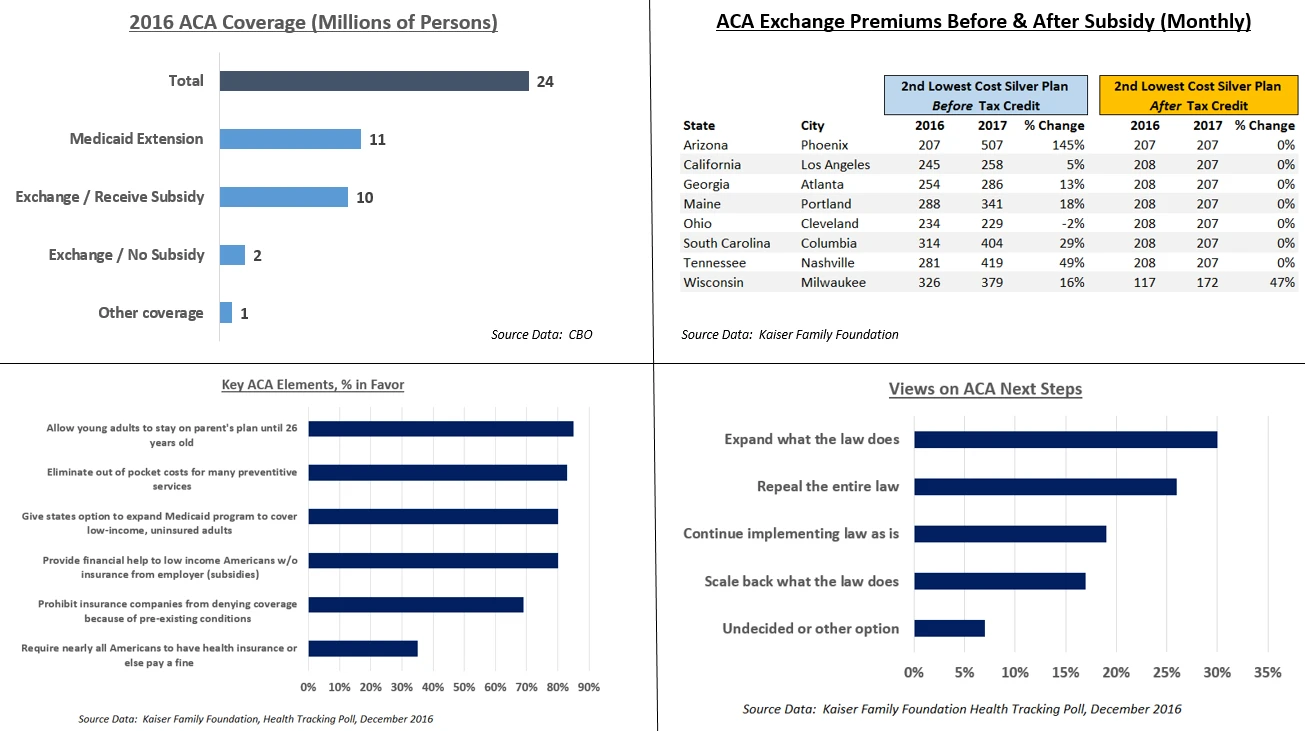
Enhanced premium tax credits expired at the end of 2025. That led to a 58% average increase in out-of-pocket premiums in 2026, along with deductibles about $1,000 higher per person. Marketplace enrollment fell to 19.2 million in 2026 from 22.1 million in 2025 after those subsidies lapsed.
The average number of insurers per state fell from 9.6 in 2025 to 9.0 in 2026, the first decline since 2018, and 165 counties had only one Marketplace issuer. Centene and UnitedHealth have cited elevated costs, while CVS Health’s Aetna unit did not offer Obamacare plans in 2026 because of business pressures.
Sources
- [1]money.usnews.com
- [2]kff.org
- [3]familiesusa.org
- [4]ccf.georgetown.edu