Health
Obesity linked to 3.3 million polypharmacy cases in older Americans

Obesity accounted for about 3.3 million polypharmacy cases among older Americans in a June 4 study published in the Journal of General Internal Medicine. The cross-sectional analysis estimated that BMI-defined obesity explained 14.8 percent of cases, or about 1 in 7, while waist-circumference-defined obesity accounted for about 1 in 4.
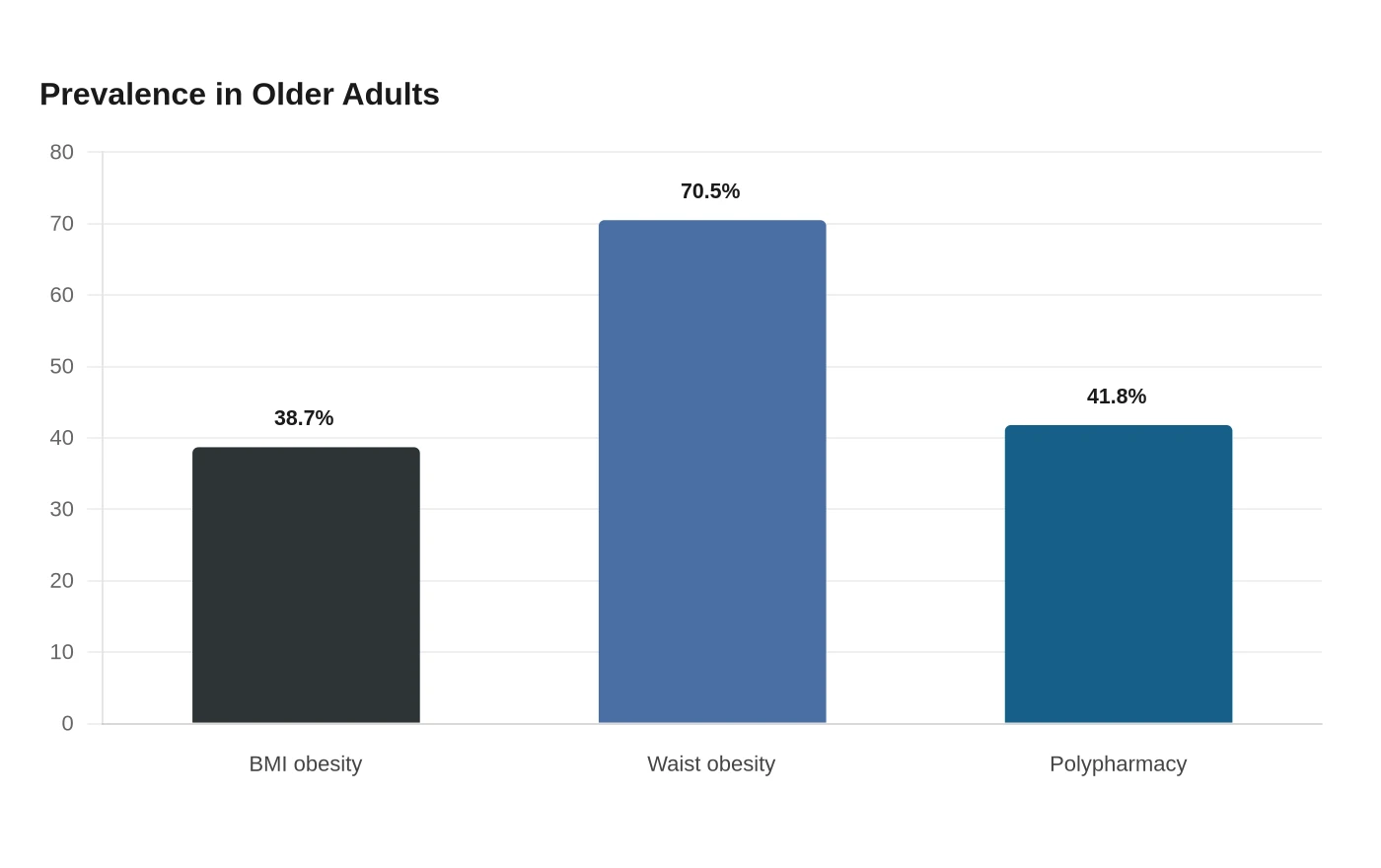
The study’s sample included 1,944 people and represented 53.2 million U.S. older adults. In that group, 38.7 percent met the BMI definition of obesity and 70.5 percent met the waist-circumference definition. Overall, 41.8 percent met the researchers’ definition of polypharmacy, meaning use of five or more medications, and the condition was more common among people with BMI-defined obesity than among those without it, 51.1 percent versus 35.9 percent.
That gap matters because polypharmacy is rarely just a medication count. In geriatrics, it often marks a web of diabetes, hypertension, cardiovascular disease, arthritis, sleep problems and other obesity-linked conditions. The broader medication-safety literature ties it to adverse drug events, treatment burden, drug interactions, nonadherence and lower quality of life, with older adults especially vulnerable because the same prescriptions can affect them differently than younger patients.
Yale Medicine’s coverage of the findings said first author Alissa S. Chen, M.D., M.P.H., emphasized that most polypharmacy cases still were not attributable to obesity. That nuance leaves room for prevention without overstating what weight loss alone can fix. Even so, the study strengthens the case for earlier obesity treatment, tighter medication review and more careful deprescribing in older adults who are already carrying a heavy load of chronic disease.
The findings also temper hopes that obesity drugs will sharply reduce prescription counts in people 65 and older. Better control of obesity-related complications can still ease symptoms and lower risk, but the researchers’ estimate suggests the larger payoff may be in preventing downstream illness, side effects and avoidable drug interactions, not in wiping out polypharmacy itself.
Sources
- [1]medscape.com
- [2]link.springer.com
- [3]yalemedicine.org
- [4]drugs.com
- [5]medicine.yale.edu