Politics
Ocasio-Cortez and Khanna reveal contrasting 2028 Democratic strategies
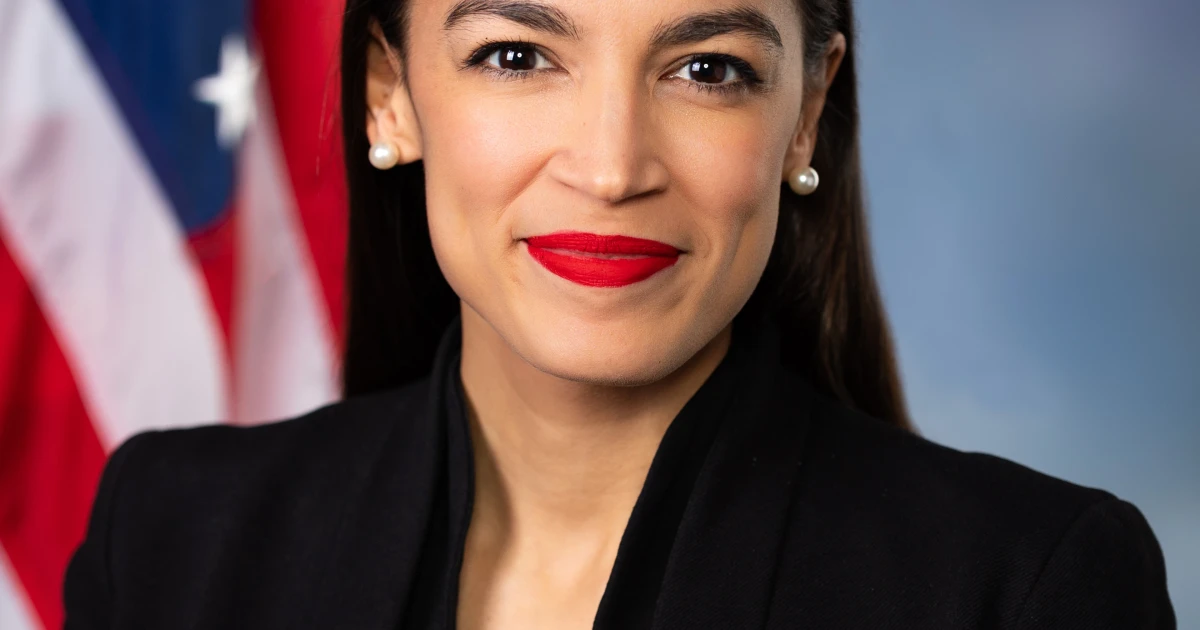
Alexandria Ocasio-Cortez and Ro Khanna are using this year’s endorsements to sketch two very different routes to a possible 2028 presidential run, and the contrast is already reshaping the Democratic left. Ocasio-Cortez has endorsed sparingly; Khanna has gone broad, backing more than 30 candidates as each lawmaker tests where real power sits inside the party.
For Ocasio-Cortez, the early results have been unusually strong. All but one of the six House candidates she endorsed advanced in their primaries, and four progressive House candidates she backed in open primaries won in the last month. That run has elevated her as an early kingmaker and reinforced the sense that she is building influence by being selective rather than omnipresent. Faiz Shakir, a top adviser to Bernie Sanders, said she typically waits until a candidate has already built grassroots momentum before endorsing, a strategy that keeps her close to insurgent energy while preserving options with House Democratic leadership, including Hakeem Jeffries, if she seeks a larger leadership role or a Senate bid.
Her lane looks even clearer in New York. Ocasio-Cortez said her much deeper focus is building a progressive bench downballot, and she has stayed out of contentious congressional primaries while supporting several Democratic Socialists of America candidates in competitive state legislative races. Her endorsement slate and Zohran Mamdani’s together cover most of DSA’s endorsed candidates, a split that consultants have described as dividing and conquering.
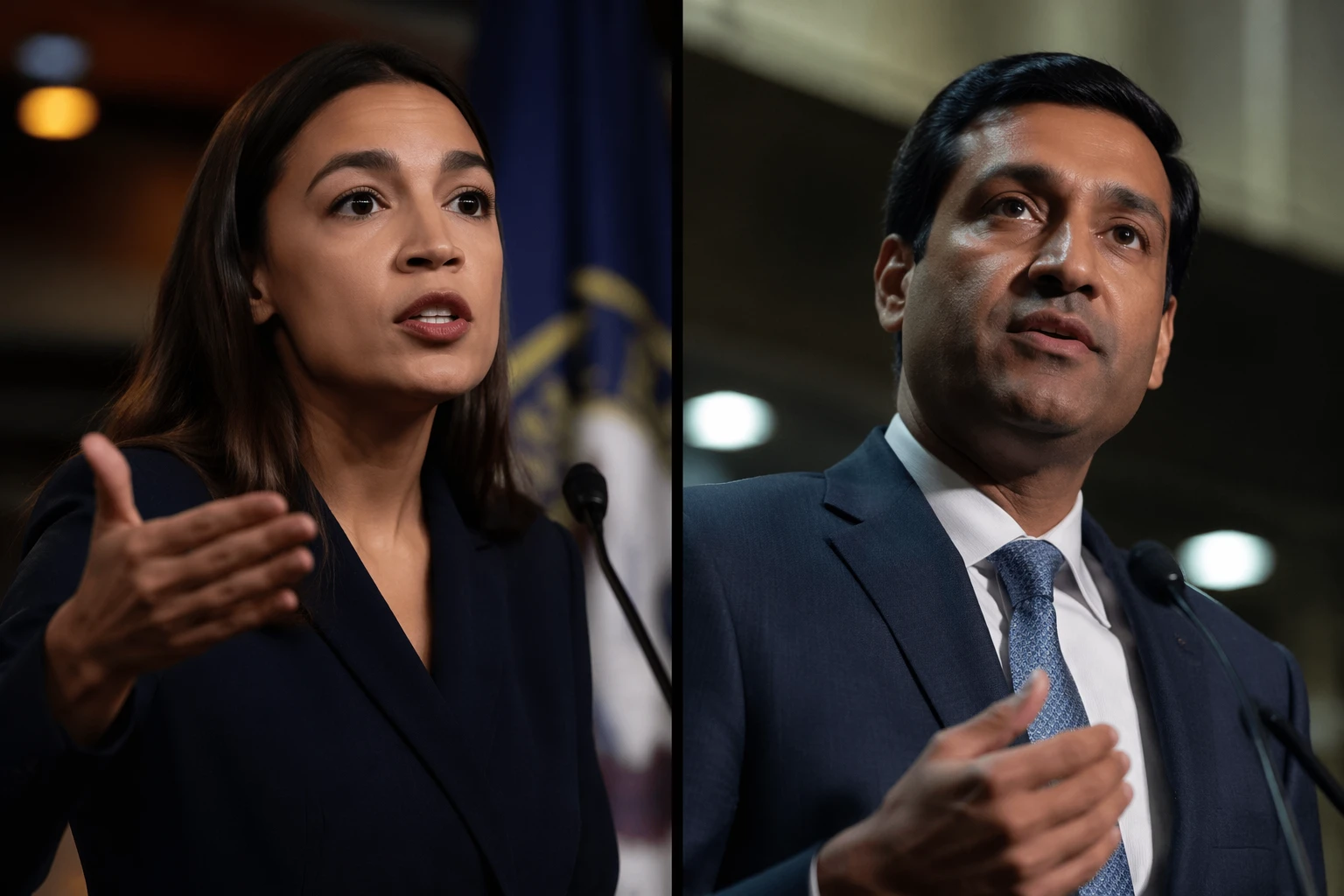
Khanna is building a different kind of coalition. His more than 30 endorsements signal a wider, more national strategy aimed at raising his profile well beyond California’s San Francisco Bay Area. He also took a major step on foreign policy politics, becoming the first member of Congress to win TrackAIPAC’s endorsement after previously being targeted by the group. Khanna signed TrackAIPAC’s PEACE pledge on June 10, a commitment to refuse money from AIPAC and aligned groups and to oppose military aid to countries that commit human rights violations.
That move puts Khanna more firmly in the activist-left foreign-policy lane than many mainstream Democrats. He described the endorsement as part of his rejection of AIPAC money and his opposition to what he called the genocide in Gaza, sharpening the ideological contrast with Ocasio-Cortez’s more selective, relationship-driven approach.
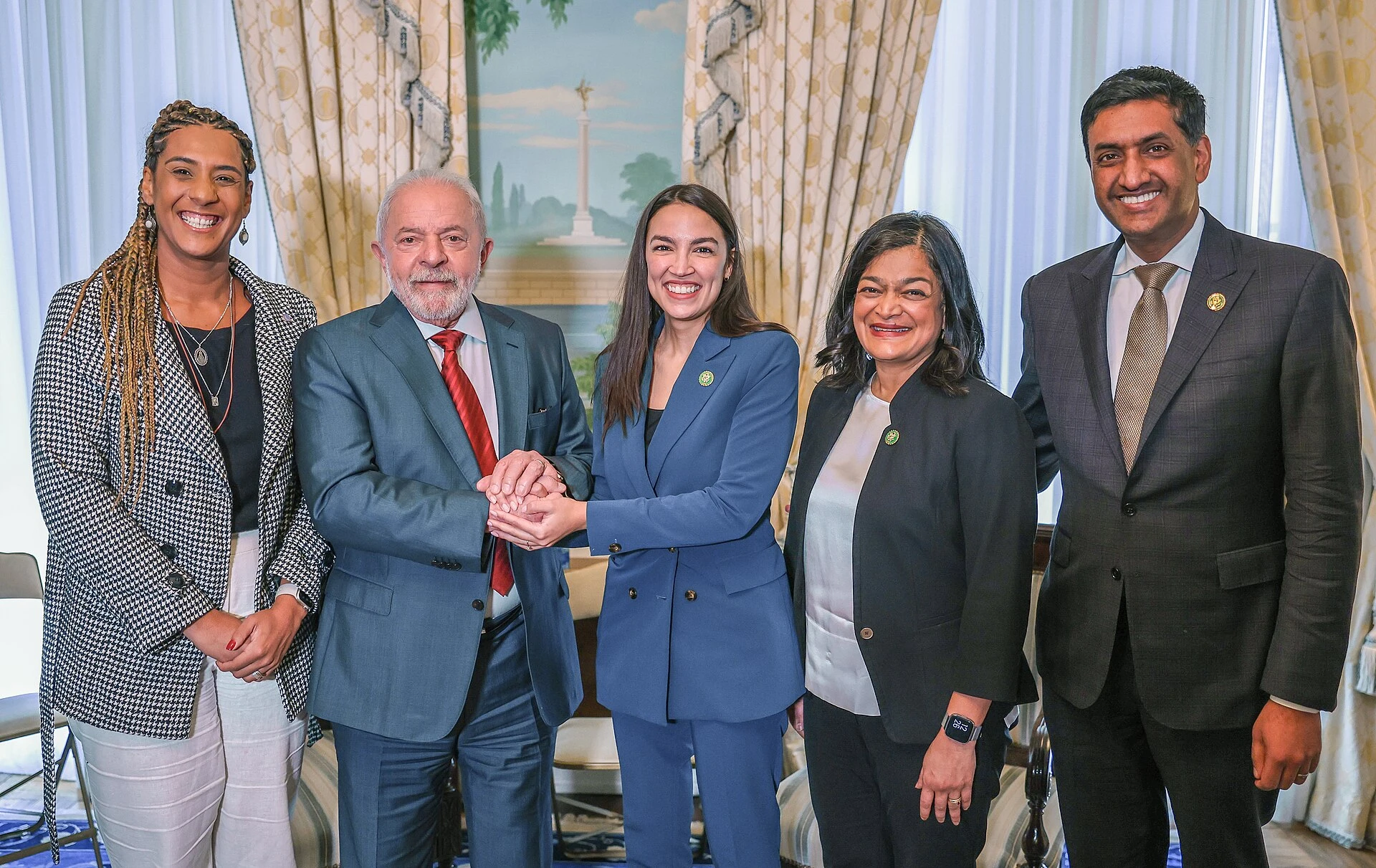
The electoral backdrop matters too. Ocasio-Cortez is running for re-election in New York’s 14th Congressional District, where the Working Families Party primary was canceled for June 23, 2026. Khanna advanced from California’s 17th Congressional District top-two primary on June 2 and is heading to the general election on November 3. Together, the two lawmakers are staging an informal primary for the future of the progressive wing, with Ocasio-Cortez and Khanna now competing not just for endorsements, but for the coalition that will define 2028.
Sources
- [1]abcnews.com
- [2]axios.com
- [3]notus.org
- [4]theintercept.com
- [5]ballotpedia.org