Business
OECD urges Britain to cut spending and ease energy costs

The OECD launched its Economic Survey of the United Kingdom on Tuesday, warning Britain to tighten budget discipline, curb pension spending and move faster on energy costs as Andy Burnham takes over as prime minister next week. The economy has stabilized after years of shocks, including Brexit, but activity remains subdued and the conflict in the Middle East is still testing resilience.
The report projected UK GDP growth of 0.9% in 2026 and 1.1% in 2027, a modest path slightly below IMF projections published earlier. It pointed to high and volatile energy prices, rising fiscal burdens, weak productivity growth and large gaps in output and living standards between regions. A special chapter in the survey focused on how the UK can boost regional productivity.

Fiscal discipline remains essential because Britain carries high public debt, high interest payments and heavy spending pressures in health and social care. It urged targeted public spending aimed at productivity, along with tax-efficiency reforms, and said ministers should review the pension triple lock while improving incentives for work and private retirement savings. Burnham has promised to stick to the government's fiscal rules, but he is under pressure from his own Labour Party to spend more.
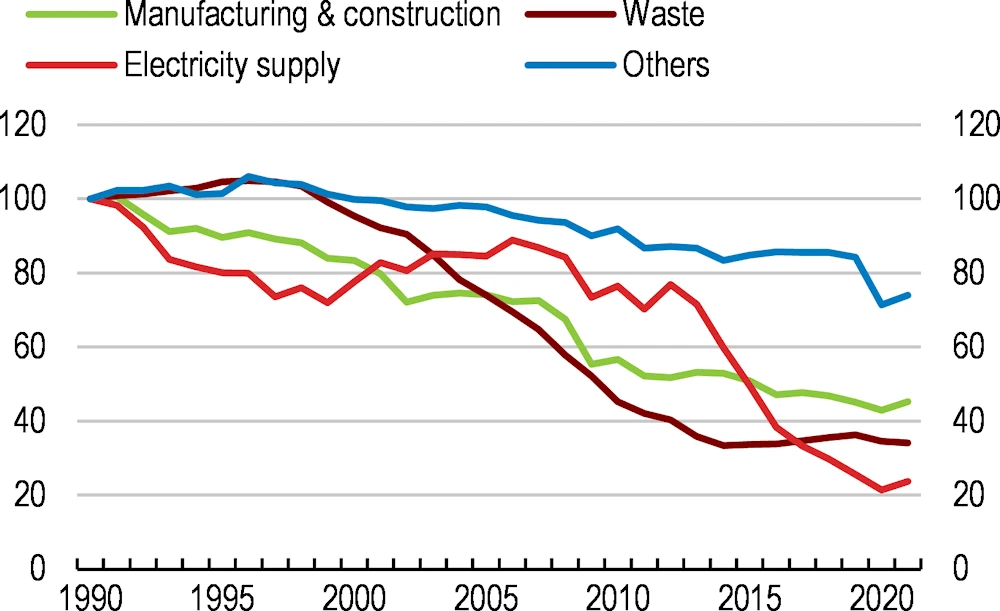
Energy was the other major warning. Britain remains exposed to volatile fossil-fuel prices and needs faster electrification to reduce reliance on imported gas. The OECD's broader Economic Outlook projects that energy prices and other key inputs from the Persian Gulf have soared since February, and that a prolonged disruption scenario in the Middle East would mean significantly weaker growth and substantially higher inflation through 2027.

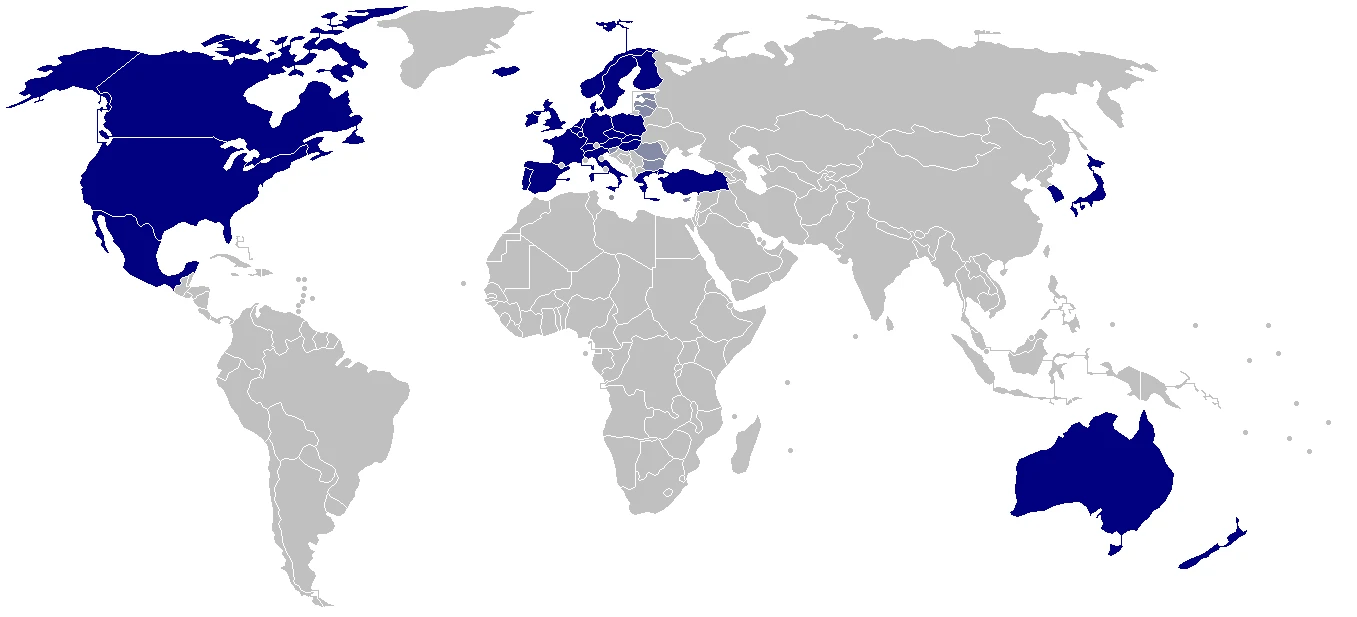
Rachel Reeves pushed back, saying Britain was on course to be the fastest-growing G7 economy in Europe this year and next, and that the country would borrow less than the G7 average this year for the first time since 2004. She said artificial intelligence, a reset in ties with the European Union and regional investment would support growth.
Sources
- [1]wsau.com
- [2]oecd.org
- [3]rte.ie
- [4]live.euronext.com
- [5]telegraph.co.uk