Health
Officials Address Hantavirus Cases After Cruise Ship Outbreak, Colorado Death
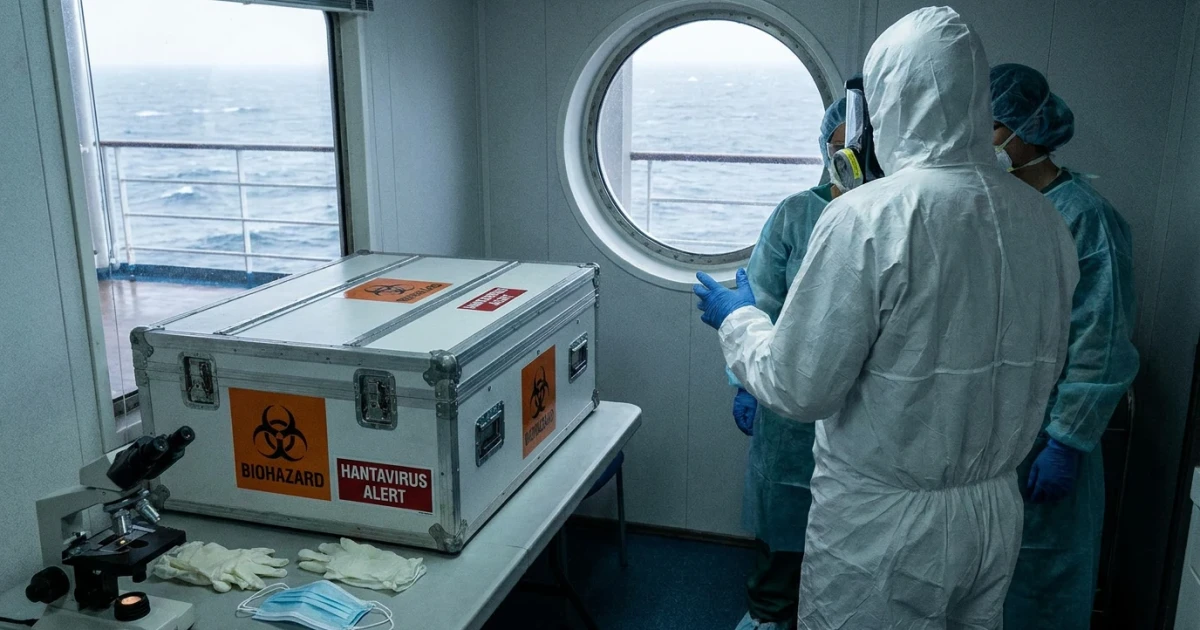
US public health officials have ordered the quarantine of two passengers following a hantavirus outbreak on a cruise ship, as an unrelated hantavirus death in Colorado draws renewed attention to the rare but potentially fatal virus. Authorities emphasized there is no connection between the two incidents, urging the public to understand the distinct sources and risks.
Quarantine Ordered After Cruise Ship Outbreak
According to AP News, the Centers for Disease Control and Prevention (CDC) issued a federal quarantine order for two American passengers exposed to hantavirus on a cruise ship. The decision was made after at least one confirmed case of hantavirus infection was reported among passengers, prompting the CDC to intervene under its quarantine and isolation legal authority. The two individuals were ordered to remain isolated, despite plans to disembark, to prevent potential spread of the virus to others.
- This is one of the rare instances where US authorities have invoked federal quarantine powers for a hantavirus outbreak.
- Hantavirus is not known to spread between people in most cases, but the quarantine was implemented out of an abundance of caution, given the confined environment of a cruise ship.
AP News reported that the affected passengers were American citizens and were detained for medical observation and testing to monitor for symptoms of hantavirus pulmonary syndrome (HPS), a severe and sometimes fatal respiratory disease caused by hantavirus.
Colorado Hantavirus Death Unrelated to Cruise Ship
Meanwhile, Colorado Public Radio reported that a Douglas County adult died after contracting hantavirus from local rodent exposure. State and local health officials investigated the case and confirmed there was no epidemiological link between the Colorado case and the cruise ship outbreak. The victim was exposed to the virus after coming into contact with contaminated rodent droppings in a local setting, a typical route of transmission in the United States.
- Colorado has historically reported sporadic cases of hantavirus, often associated with rural or semi-rural environments where deer mice are common hosts.
- Health officials reiterated that the virus is primarily transmitted through inhaling aerosolized particles from infected rodent urine, droppings, or saliva, not through person-to-person contact.
This latest death highlights the ongoing, if infrequent, risk of hantavirus in parts of the American West. The CDC’s surveillance data shows that cases remain rare, with only a handful reported annually in the US.
Understanding Hantavirus Risks and Public Health Response
The CDC and World Health Organization emphasize that hantavirus infections are relatively uncommon but can be severe, with a case fatality rate of 30-40% for hantavirus pulmonary syndrome. Most US cases trace back to direct or indirect contact with infected wild rodents, primarily in the western and southwestern states. Cruise ship outbreaks are exceedingly rare, making the recent federal quarantine an unusual public health measure.
Key facts about hantavirus, as outlined by the CDC and WHO:
- There have been less than 850 cases reported in the US since 1993.
- Symptoms typically develop within 1-8 weeks of exposure and can progress rapidly to severe respiratory distress.
- Prevention focuses on minimizing contact with rodents and their droppings, especially in cabins, barns, or other enclosed spaces.
Official Response and Public Guidance
Health officials from both the CDC and state agencies are monitoring both situations closely. For the cruise ship outbreak, passengers and crew were provided information on symptoms and encouraged to seek medical attention if they developed fever, muscle aches, or difficulty breathing. In Colorado, local authorities reminded residents to take precautions when cleaning areas where rodents may be present, such as ventilating enclosed spaces and using disinfectants.
While the federal quarantine order on the cruise ship is a rare step, the CDC’s official case definition and reporting guidelines were strictly followed, ensuring proper containment and contact tracing where needed.
Conclusion
With both the cruise ship quarantine and the Colorado fatality making headlines, officials stress that the public health risk remains low, and there is no evidence linking the two events. The cases serve as a reminder of the importance of vigilance in environments where rodent exposure may occur, and the readiness of authorities to act swiftly to contain outbreaks and prevent wider spread of rare but serious diseases like hantavirus.