Health
Officials Respond to Unprecedented Meningitis Outbreak
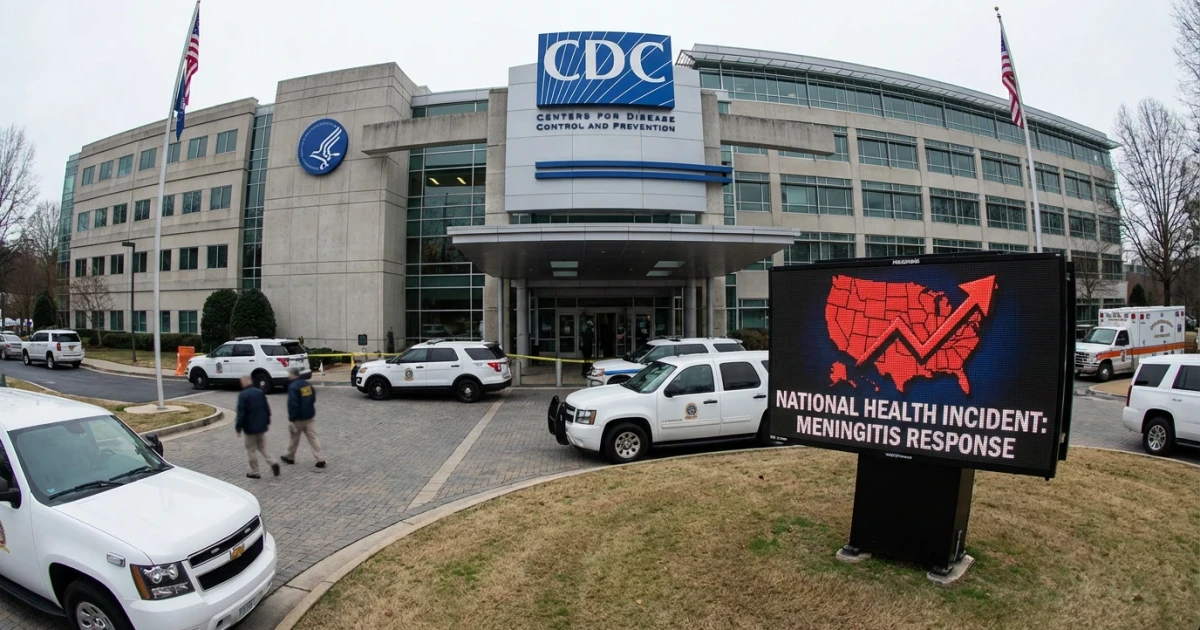
Health authorities across the country are grappling with what officials have described as an “explosive” and unprecedented outbreak of meningitis, prompting an urgent national response and raising concerns about disease containment and public safety.
Outbreak Declared a National Incident
The BBC reported that government and health leaders have formally classified the current meningitis surge as a national incident, a designation that unlocks additional resources for outbreak management and signals a heightened level of concern. The scale and speed of the outbreak have caught many experts by surprise, with case numbers rising sharply in recent weeks.
- Officials have described the current situation as "explosive" due to the rapid spread and high case numbers.
- Public health agencies are mobilizing vaccination campaigns and increasing surveillance across regions most affected.
- The outbreak is unprecedented in both magnitude and geographic footprint, surpassing recent years’ records.
Understanding Meningitis
Meningitis is an infection of the protective membranes covering the brain and spinal cord. It can be caused by a range of pathogens, including bacteria, viruses, and fungi, and can result in severe complications or death if not treated swiftly. CDC data shows that bacterial meningitis, in particular, can be fatal in up to 10-15% of cases, even with treatment.
Why Is This Outbreak Different?
Experts, including epidemiologist Devi Sridhar referenced in The Guardian, have highlighted several factors contributing to the outbreak’s scale:
- Vaccination rates have declined in some communities, increasing susceptibility.
- Changes in social behavior and reduced routine health checks may have delayed detection and response.
- There may be emerging or more virulent meningitis strains, according to early laboratory analyses.
Officials are working to determine the precise causes behind the surge, drawing on global health data and recent outbreak patterns. The outbreak’s rapid spread across multiple regions has made containment especially challenging, with officials warning that the situation is evolving quickly.
Public Health Response
In response to the national incident declaration, health agencies have implemented a series of emergency measures:
- Targeted vaccination drives in schools, universities, and high-risk communities
- Enhanced surveillance and contact tracing to identify and isolate cases promptly
- Public awareness campaigns to educate about symptoms and the importance of early medical attention
The UK government’s meningitis data highlights the importance of laboratory confirmation and timely reporting, which are now being prioritized nationwide.
Official Guidance
Health authorities are urging the public to be vigilant for common symptoms, which include:
- Severe headache
- Stiff neck
- High fever
- Sensitivity to light
- Rash (in some cases)
Prompt recognition and medical attention can be life-saving. For more information on meningitis signs, symptoms, and resources, visit the Meningitis Research Foundation’s explainer.
Looking Ahead
The unfolding situation underscores the ongoing threat posed by meningitis and the importance of maintaining robust public health infrastructure. As authorities continue to monitor and respond, the public is urged to stay informed, participate in vaccination campaigns, and seek medical help if symptoms appear.
For ongoing updates and official strategies to defeat meningitis, readers can reference the WHO’s Global Roadmap for meningitis elimination.