Health
Officials urge water as heat wave intensifies across the US

A heat dome over the eastern United States was expected to intensify into the Fourth of July holiday weekend, with forecasters warning that rising air-conditioning use could strain electricity demand and power grids. In a summer crowded with hydration gadgets, supplements and influencer tips, federal guidance kept circling back to the plainest answer: drink water.
The National Weather Service says heat is the leading weather-related killer in the country, and it is maintaining HeatRisk guidance and active heat warnings as Europe melts, the Midwest deals with the so-called corn sweats and hot, humid air makes temperatures feel even harsher. The Centers for Disease Control and Prevention says hot days can affect anyone, but the risk rises for pregnant people, children or teens with asthma, and people with heart conditions or other chronic health problems. The agency also tells people to stay cool, stay hydrated and know the symptoms.
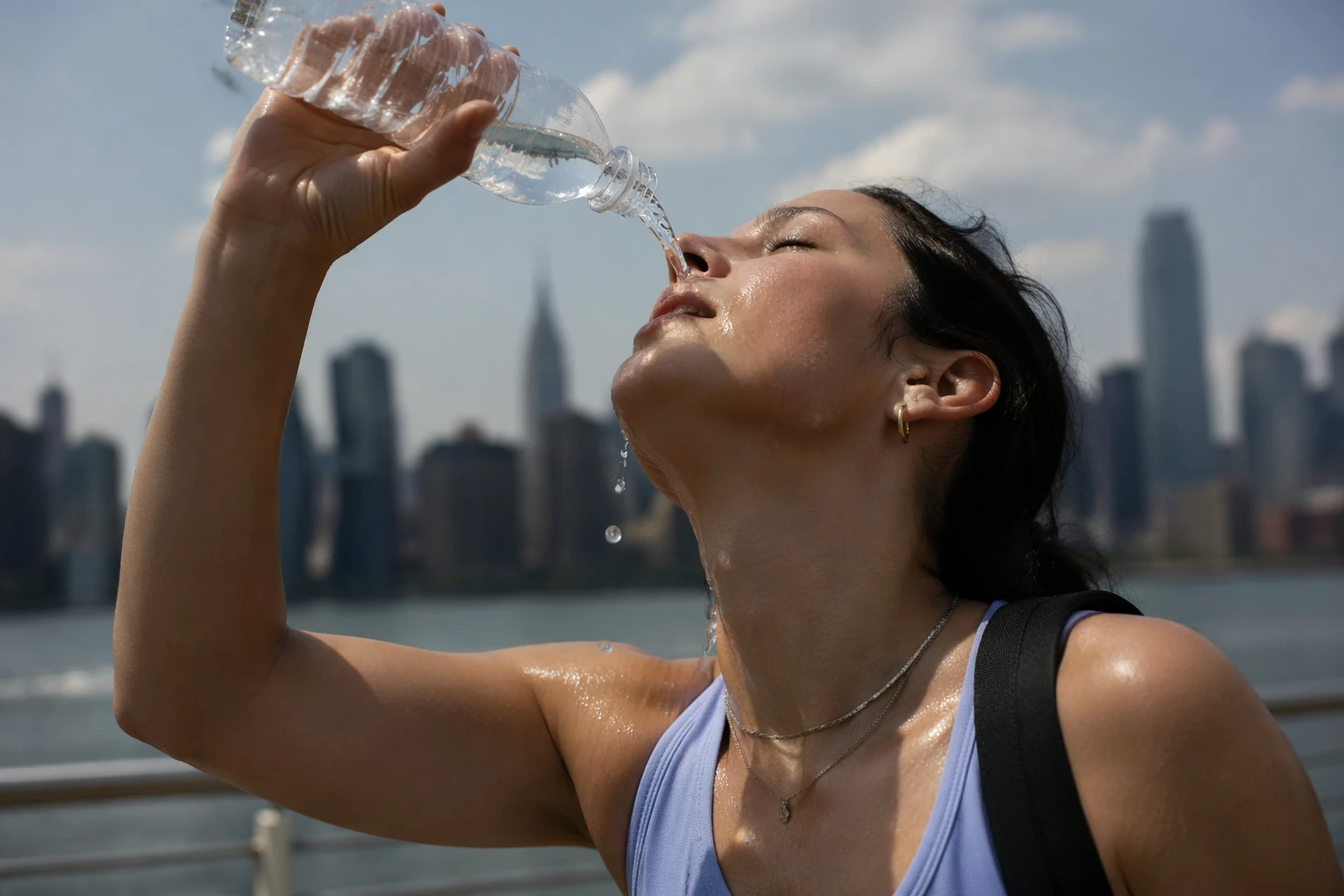
Those symptoms matter because dehydration can tip into heat exhaustion and heat illness fast. The World Health Organization says dehydration in hot temperatures can bring fatigue, headaches, nausea, blood-pressure changes, muscle cramps and low energy. Its guidance is blunt: drink water regularly in hot weather, about 1 cup an hour and at least 2 to 3 liters a day. For people working in the heat, the CDC says to drink about 1 cup of water every 15 to 20 minutes.
Employers also have a legal duty to do more than hand out slogans. The Occupational Safety and Health Administration says workers should have cool water available, and for work that lasts two hours or more, access to electrolyte-containing fluids. That distinction matters in the wellness economy, where hydration products are often marketed as if they can outdo common sense. The medical consensus is narrower and stronger: water is the default, and electrolytes are for longer, more demanding heat exposure.

Public-health agencies have also built tools around the same basic warning. The CDC and NOAA operate HeatRisk and related heat-safety resources to help people judge danger as temperatures climb. For most people on a brutal summer day, the advice does not require a new bottle, a powder packet or an app. It requires water, shade, rest and attention to the people most likely to get sick first.
Sources
- [1]theverge.com
- [2]weather.gov
- [3]cdc.gov
- [4]who.int
- [5]osha.gov
- [6]cbsnews.com
- [7]accuweather.com