Business
Oil climbs as Hormuz shipping fees stoke supply fears
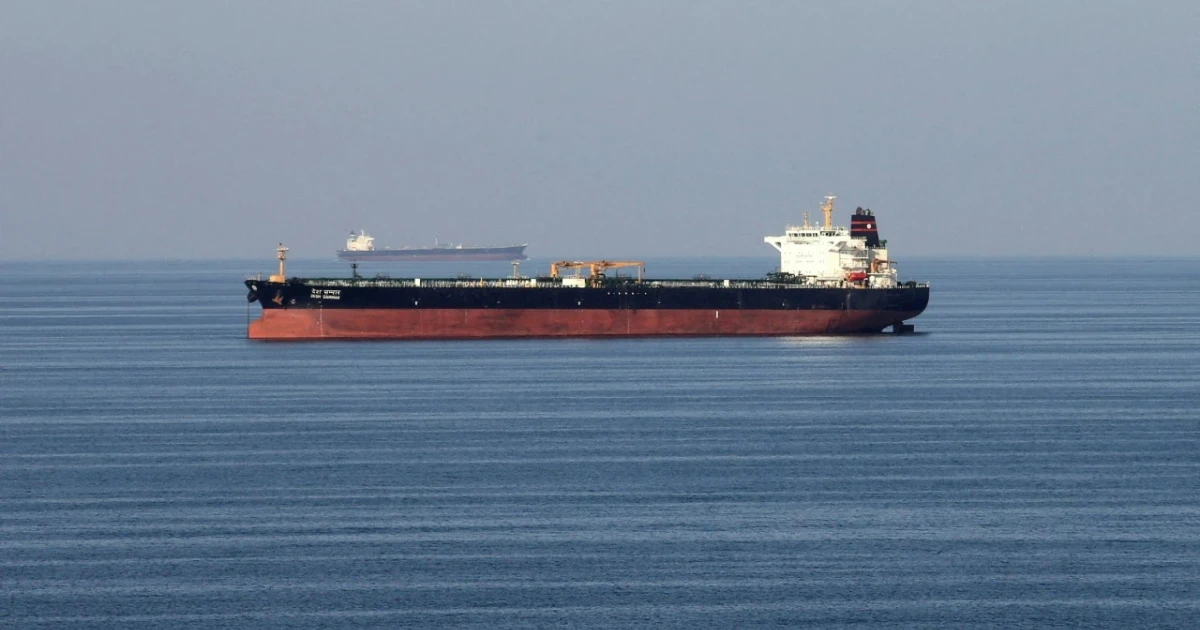
Oil surged on Tuesday after Donald Trump said the United States would charge 20% on all cargo shipped through the Strait of Hormuz and U.S. Central Command said a blockade of Iranian ports would take effect at 4 p.m. ET. West Texas Intermediate for August delivery rose 2.27% to $79.91 a barrel, while Brent for September gained 2.14% to $85.11, after Brent had already jumped 9.6% in the previous session.
Hormuz is the choke point for a large share of the world’s oil, and before the Feb. 28 U.S.-Israel strikes on Iran, roughly one-fifth of global oil supplies passed through the waterway. Any sustained disruption would hit tanker rates first, then show up in refined fuels, freight costs and the inflation readings that shape the Federal Reserve’s next move. Oil had jumped more than 9% on Monday, its biggest daily gain since 2020, after the Iran blockade was reinstated, CNBC data showed.
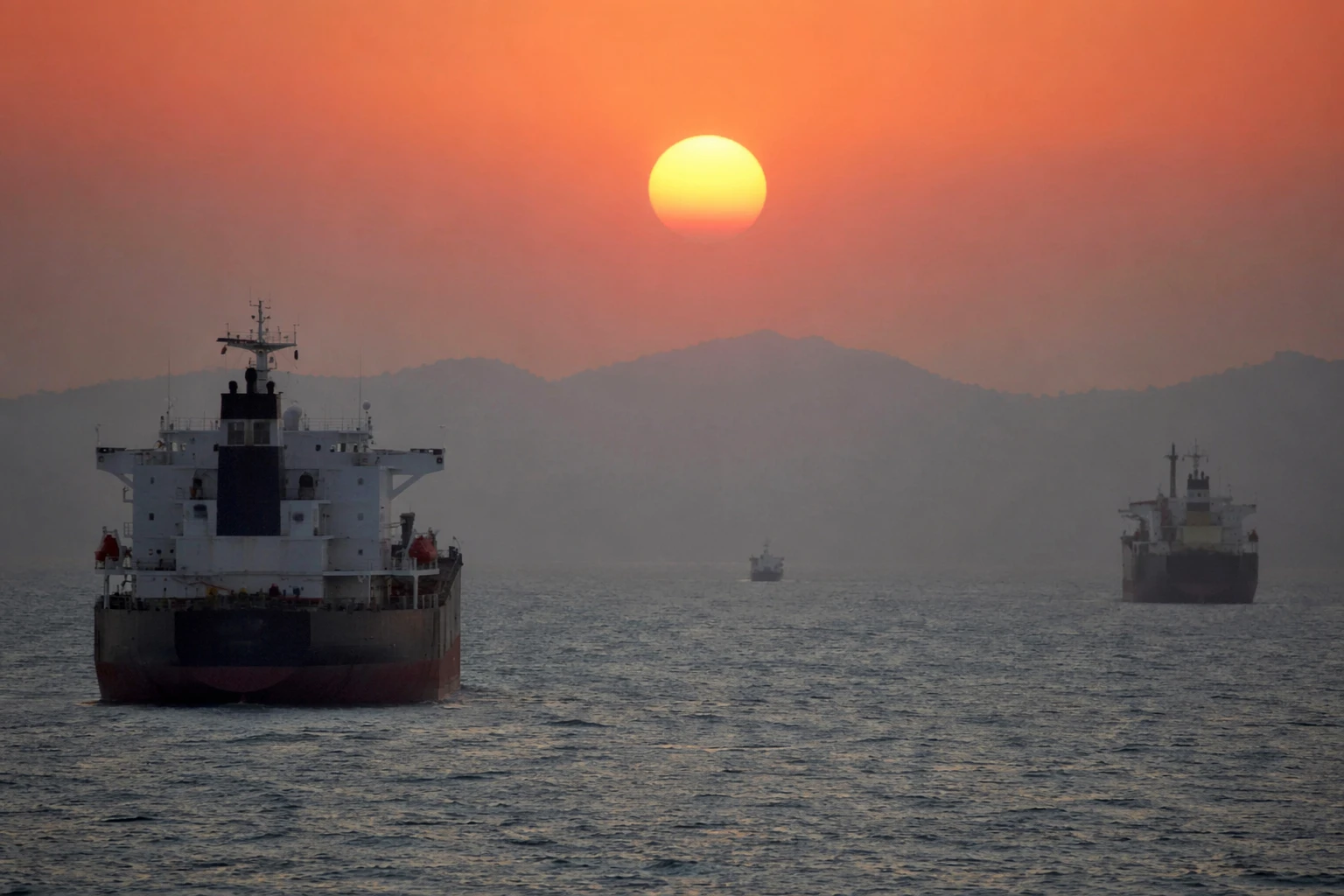
After Iran attacked a vessel near the strait earlier in the crisis, West Texas Intermediate settled at $71.92 and Brent closed at $75.26. More than 20 oil tankers carrying about 35 million barrels of crude had passed through the strait after Washington and Tehran reached an agreement to reopen the route.
Citi analysts said Trump’s proposal materially raises the risk of further military escalation. They also warned that if Iran walks away from the memorandum of understanding until after the U.S. midterm elections, oil prices could stay higher for longer. In May, the World Bank said conflict-related disruption in the Strait of Hormuz triggered the largest oil market shock in history. The bank said global oil supply crashed by 10.1 million barrels a day in March, Brent had climbed about 65% by the end of that month, and global output was projected to fall by 6.9 million barrels a day year on year in the second quarter of 2026. The bank said the United States was expected to add about 0.5 million barrels a day in non-OPEC+ supply growth, but not enough to erase the pressure if Hormuz traffic is again restricted.
Sources
- [1]news.google.com
- [2]cnbc.com
- [3]blogs.worldbank.org
- [4]rappler.com