Business
Oil falls for third day as US-Iran talks ease Strait fears
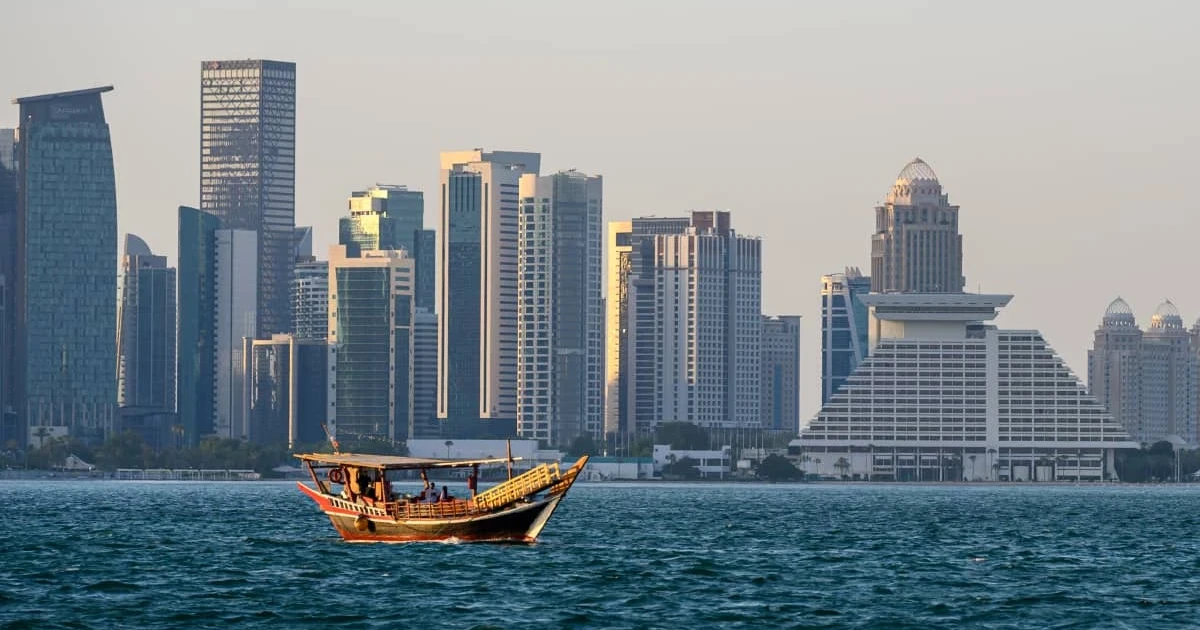
Oil prices fell about 1% on Thursday, July 2, extending a three-day slide after Qatar said Iran and the United States had made “positive progress” in indirect talks in Doha over the Strait of Hormuz. Brent crude had closed Wednesday at $71.57 a barrel and West Texas Intermediate at $68.58, and the move matters well beyond trading desks because crude still feeds directly into U.S. gasoline, freight costs and inflation expectations.
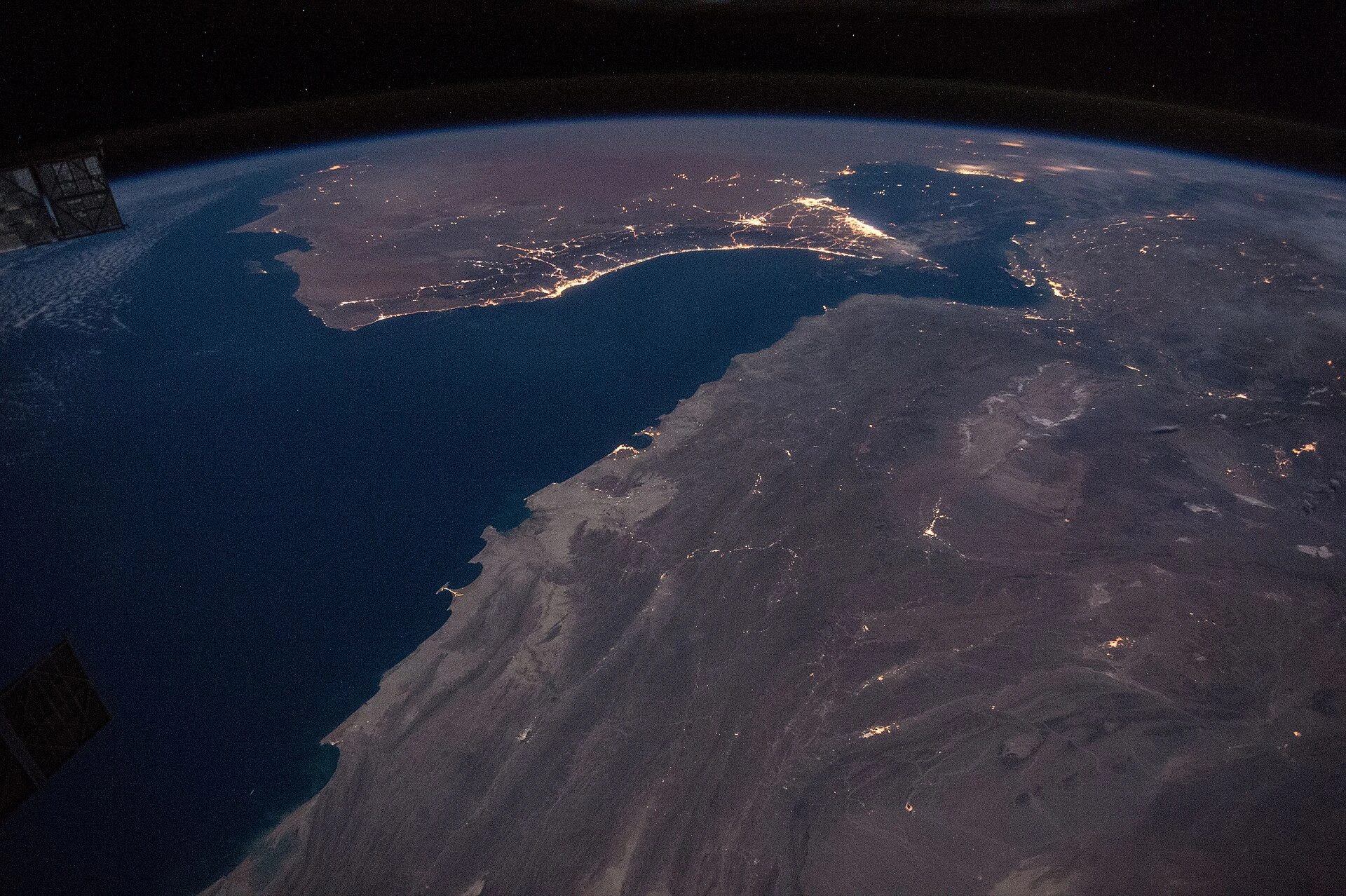
The latest drop reflects a market that is backing away from the odds of an immediate Strait closure, not one that believes the conflict has been resolved. The U.S. Energy Information Administration said the Strait of Hormuz handled an average 20.9 million barrels per day of crude oil and petroleum liquids in the first half of 2025, equal to about 20% of global petroleum liquids consumption and roughly one-quarter of global maritime-traded oil. In April, the EIA said a shutdown of Hormuz and the related production outages were key drivers in its forecast, after Gulf countries collectively cut total oil production by at least 10 million barrels per day when flows through the strait plunged.
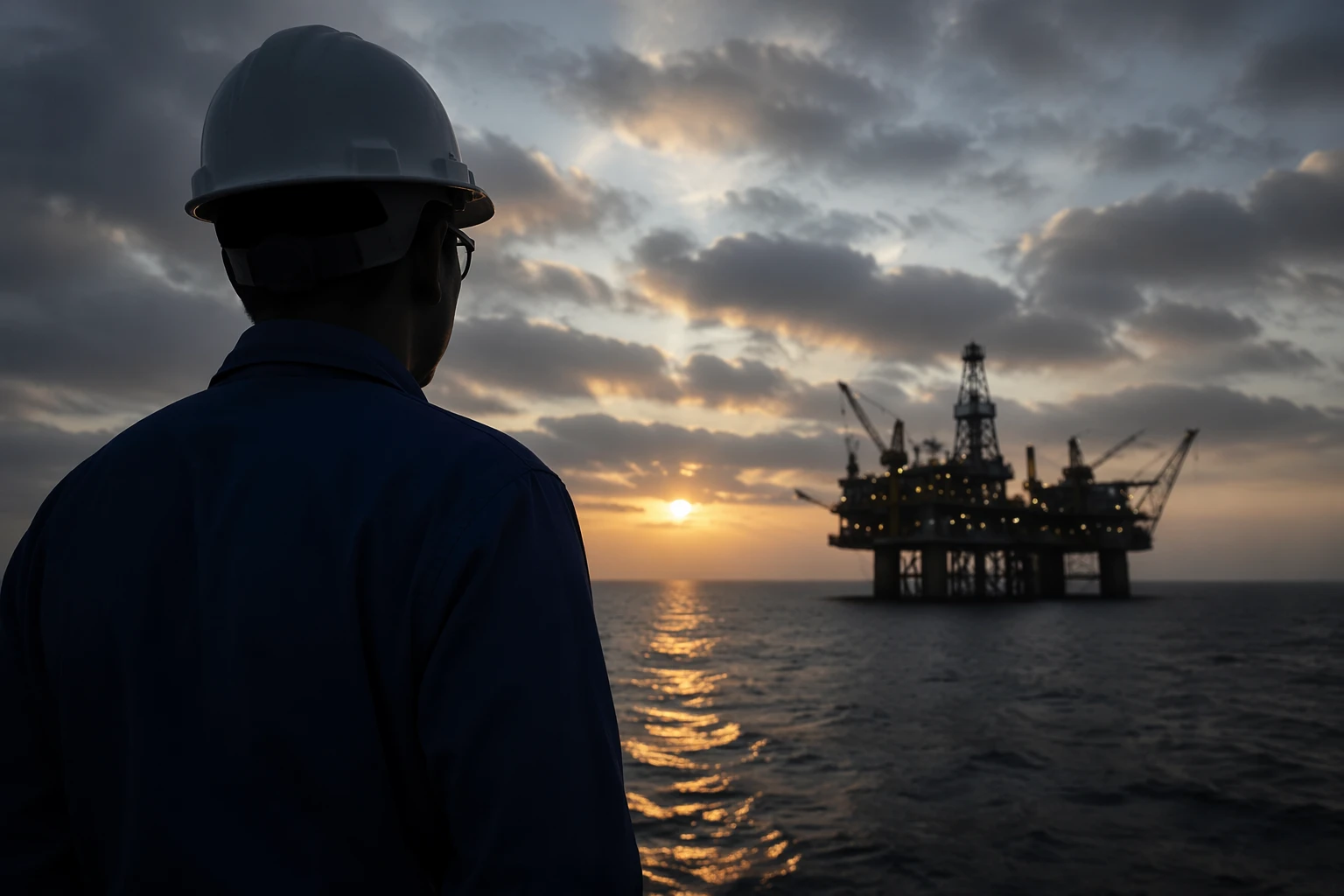
Shipping data are reinforcing that reassessment. ING analysts have said tanker movements through Hormuz still looked limited but were beginning to pick up, suggesting shipowners were becoming more willing to send vessels back into the Persian Gulf. CNBC cited ING estimates of about 11 tanker crossings on Tuesday, down from last week’s peak of 24, a gap that points to a partial normalization rather than a full return to pre-conflict traffic.
The selloff also comes after a punishing month for crude. Brent fell roughly 21% in June, its biggest monthly decline since March 2020, while WTI dropped more than 20%, its worst monthly performance since late 2021. Reuters said the U.S. and Iran struck a 14-point memorandum of understanding on June 17 to pause fighting that had disrupted oil flows through Hormuz, even as renewed clashes over the weekend threatened a 60-day truce. Jared Kushner and U.S. special envoy Steve Witkoff were in Doha for the indirect talks, with Qatari officials acting as intermediaries.
OPEC+ is still set to raise July output targets by 188,000 barrels per day, even though some members may not be able to meet those levels because of the disruption. For oil traders, the central question is whether diplomacy keeps the Strait of Hormuz open long enough to let supply recover, or whether Thursday’s retreat becomes only a brief correction.
Sources
- [1]news.google.com
- [2]cnbc.com
- [3]eia.gov
- [4]msn.com