Business
Oil gains as Iran tensions fuel inflation worries and stocks fall
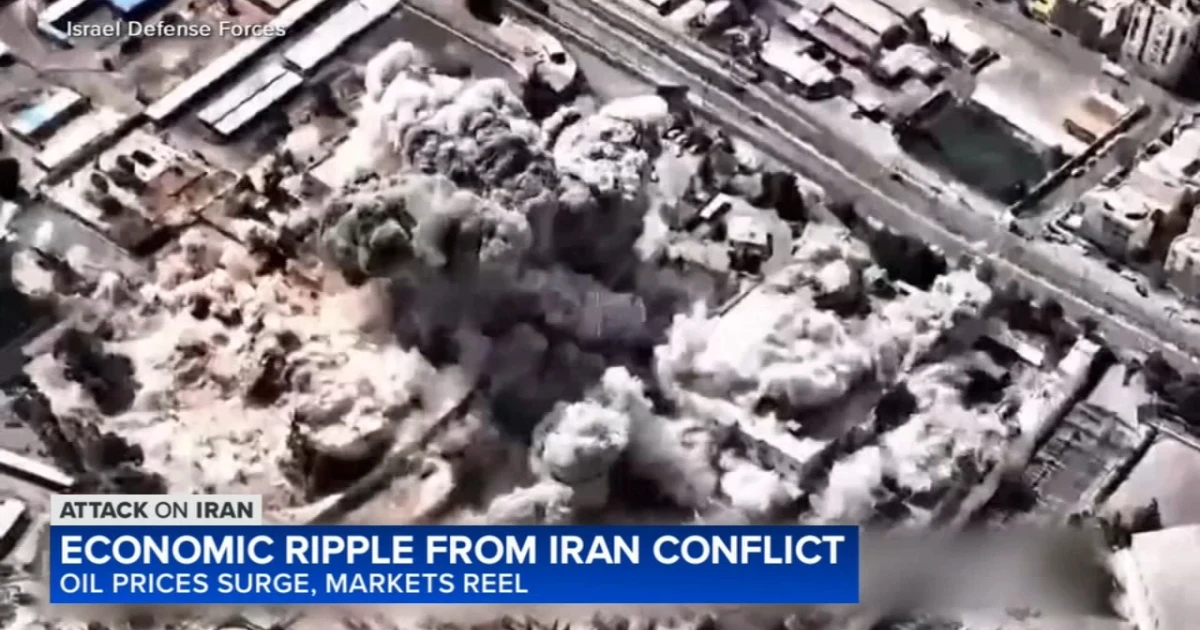
Crude oil climbed to 80.42 a barrel, up 2.92%, as renewed U.S.-Iran tensions sent stocks lower and pushed the 10-year Treasury yield to 4.62%, a sharp reminder of how quickly geopolitical risk can filter into everyday prices.
President Donald Trump said the ceasefire with Iran may be over and that the United States would probably launch further strikes, after fresh U.S. airstrikes on Iran and a decision to revoke a waiver that had allowed Iran to sell oil globally. Those moves raised concern that tighter supply could keep energy costs elevated, with the first pressure points likely to show up at gasoline stations, then in airfare quotes, diesel charges and shipping bills.
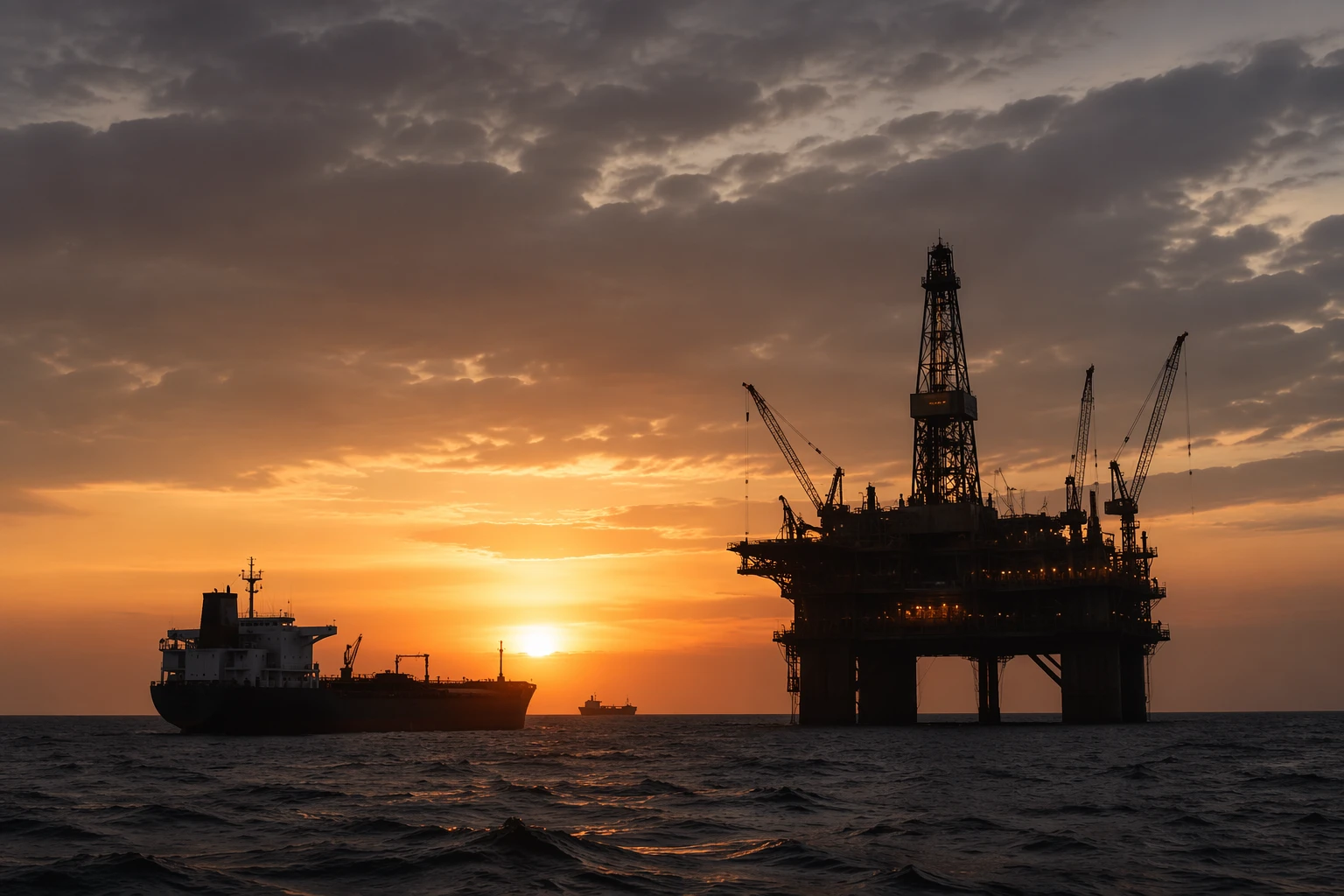
That chain matters because oil is the input that moves fastest through the consumer economy. When crude rises, refiners pay more for gasoline and jet fuel, trucking firms face higher diesel costs, and ocean carriers absorb steeper bunker-fuel bills. Those costs do not stay in the freight market for long; they tend to move into the prices Americans pay for package deliveries, travel and, eventually, some goods that rely on long supply chains.
Ed Yardeni, president of Yardeni Research, said the fighting with Iran could rekindle worries that higher oil prices will stoke inflation and force the Federal Reserve to hike interest rates. That possibility is now colliding with a central bank already under political pressure. Kevin Warsh, sworn in as Fed chair on May 22, said on July 1 that the Fed would remain independent and would focus on bringing inflation back to its 2% target, a stance that points toward caution on rate cuts if energy prices keep climbing.
Warsh is due to testify before the House Financial Services Committee on the Fed’s semi-annual monetary policy report, a hearing that is likely to draw close attention from investors trying to gauge how much inflation tolerance the new chair has. Warsh, 56, was nominated by Trump in January to replace Jerome Powell, and his remarks will be watched for any sign that the central bank is preparing to lean harder against another oil-driven burst in prices.
Sources
- [1]news.google.com
- [2]bloomberg.com
- [3]pbs.org
- [4]ft.com