World
Oil giants reap record profits as Iran war drives prices higher

A Greenpeace-commissioned study said oil companies were making more than 80 million euros a day in “war profits” in the European Union as the Iran conflict pushed energy prices higher. On the same Wednesday front pages, Britain’s rain-soaked start to 2026 was treated as a parallel crisis, with the Met Office saying rain had fallen every day in parts of south-west England and South Wales.
The profits were not theoretical. Reuters and AFP reported that six of Europe’s largest oil companies posted combined first-quarter profits of $22 billion, more than 40% higher than a year earlier. Sky News said Shell’s profits rose 70% on the back of the war, while CBS Evening News said ExxonMobil and Chevron had recorded more than $10 billion in profit since the Iran war began.
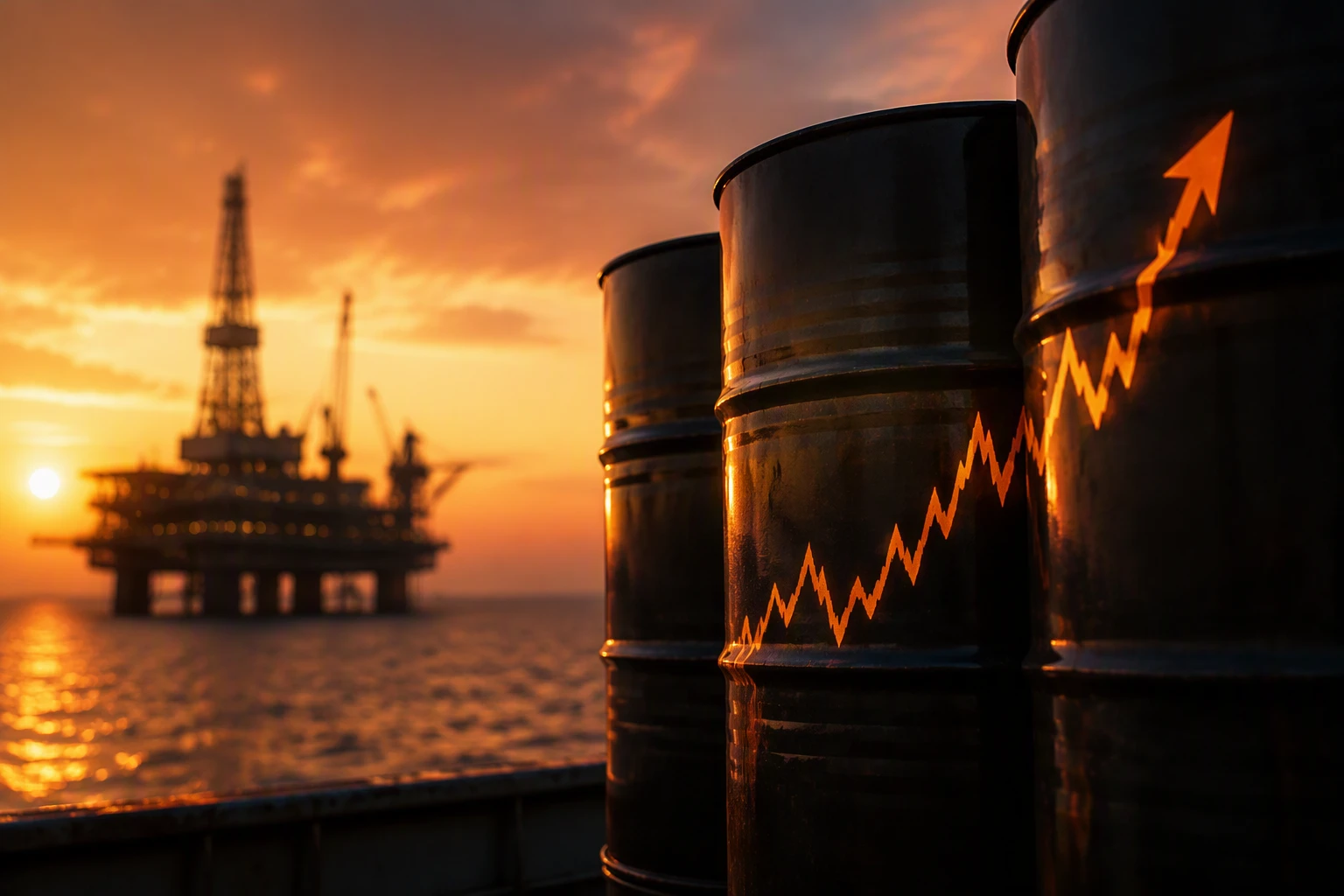
That windfall sits uneasily beside the language used by the companies’ critics. BBC reporting said uncertainty from the conflict, and Iran’s effective closure, helped drive bumper profits, while AP and Sky carried backlash from activists accusing the industry of profiting from the fighting. A March 23 New York Times report had already said American and European oil and gas companies were expected to earn far more as prices surged, even as they worried about what came next.
The weather coverage carried a different but equally political warning. The Met Office said some areas had seen 50% more rainfall than average, and that January 2026 was one of the wettest Januarys on record in Northern Ireland, south-west and southern England, and the east of Scotland. Northern Ireland had its wettest January in 149 years, and BBC Weather said parts of the south-west broke more than a century-long January rainfall record.
The Met Office linked the extreme rain to Storm Chandra, and later February coverage said more than 90 flood warnings were in place across the UK, with flooding especially severe in south-west England and the Midlands. The BBC called the wettest winter a stark reminder of climate change.
The British frame is what makes these headlines stand out. In the United States, the Iran war’s impact is often read as a question of global oil prices and corporate balance sheets, while Britain’s storms are treated as a weather story. On UK front pages, the two anxieties merge into one public mood: anger at companies that profit when crises hit, and fear that the next crisis will arrive as either a higher fuel bill or another flooded street.
Sources
- [1]bbc.co.uk
- [2]nytimes.com
- [3]rfi.fr
- [4]bbc.com
- [5]apnews.com
- [6]news.sky.com
- [7]youtube.com
- [8]metoffice.gov.uk
- [9]theguardian.com
- [10]theconversation.com