Business
Oil market scrambles for ways around the Strait of Hormuz
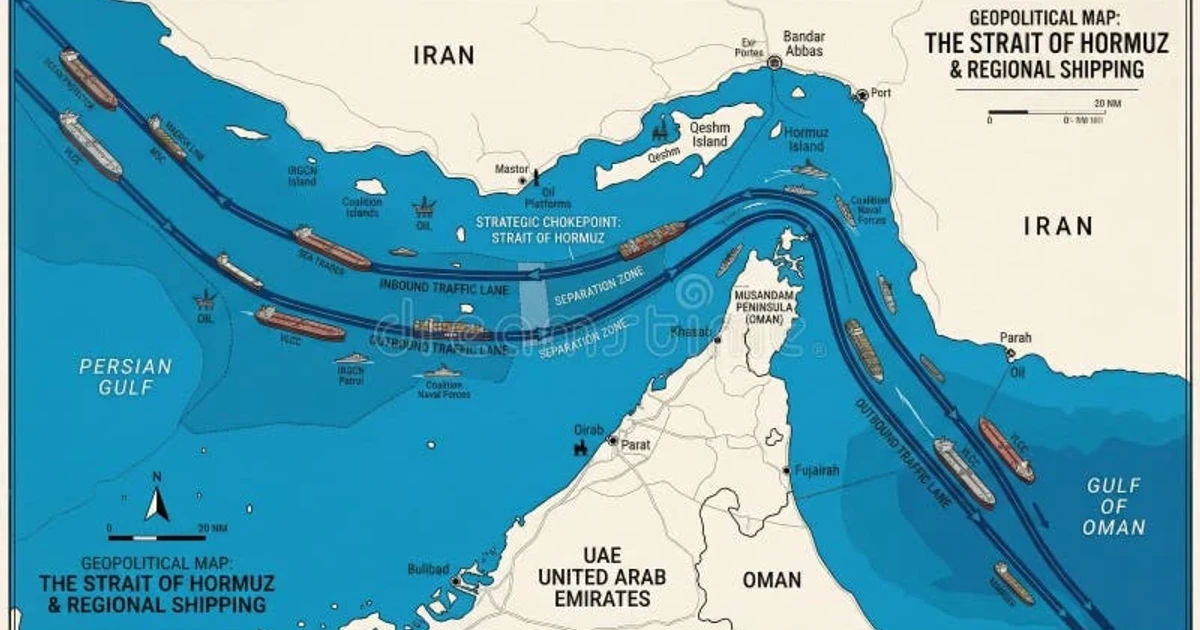
The Strait of Hormuz handled about 20 million barrels a day of crude oil and petroleum products in 2025, roughly one-fifth of global petroleum liquids consumption and about one-quarter of seaborne oil trade. Every barrel that cannot move through it pushes directly into fuel costs, inflation risk, and supply-chain fragility.
Why this narrow waterway matters
The Strait of Hormuz is 29 nautical miles wide at its narrowest point, with two-mile-wide navigable channels and a two-mile buffer zone. That leaves tankers and liquefied natural gas carriers moving through a corridor that is both crowded and exposed, even before political tensions are added to the map.
The stakes go beyond crude. Around one-fifth of global LNG trade also passed through the strait in 2025, and most LNG exports from Qatar and the United Arab Emirates depend on it with no alternative routes for those volumes. LNG supplies feed electricity generation, manufacturing, and heating markets that can tighten quickly when cargoes are delayed.
What the latest disruption did to oil flows
The conflict that began on February 28, 2026, hit the market immediately. Export volumes of crude and refined products through Hormuz fell to less than 10 percent of pre-conflict levels, and the IEA called the shock the largest supply disruption in the history of the global oil market.
The first policy response was stockpiles. In March 2026, IEA member countries agreed to their largest-ever coordinated oil stock release, totaling 400 million barrels.
How producers are trying to route around Hormuz
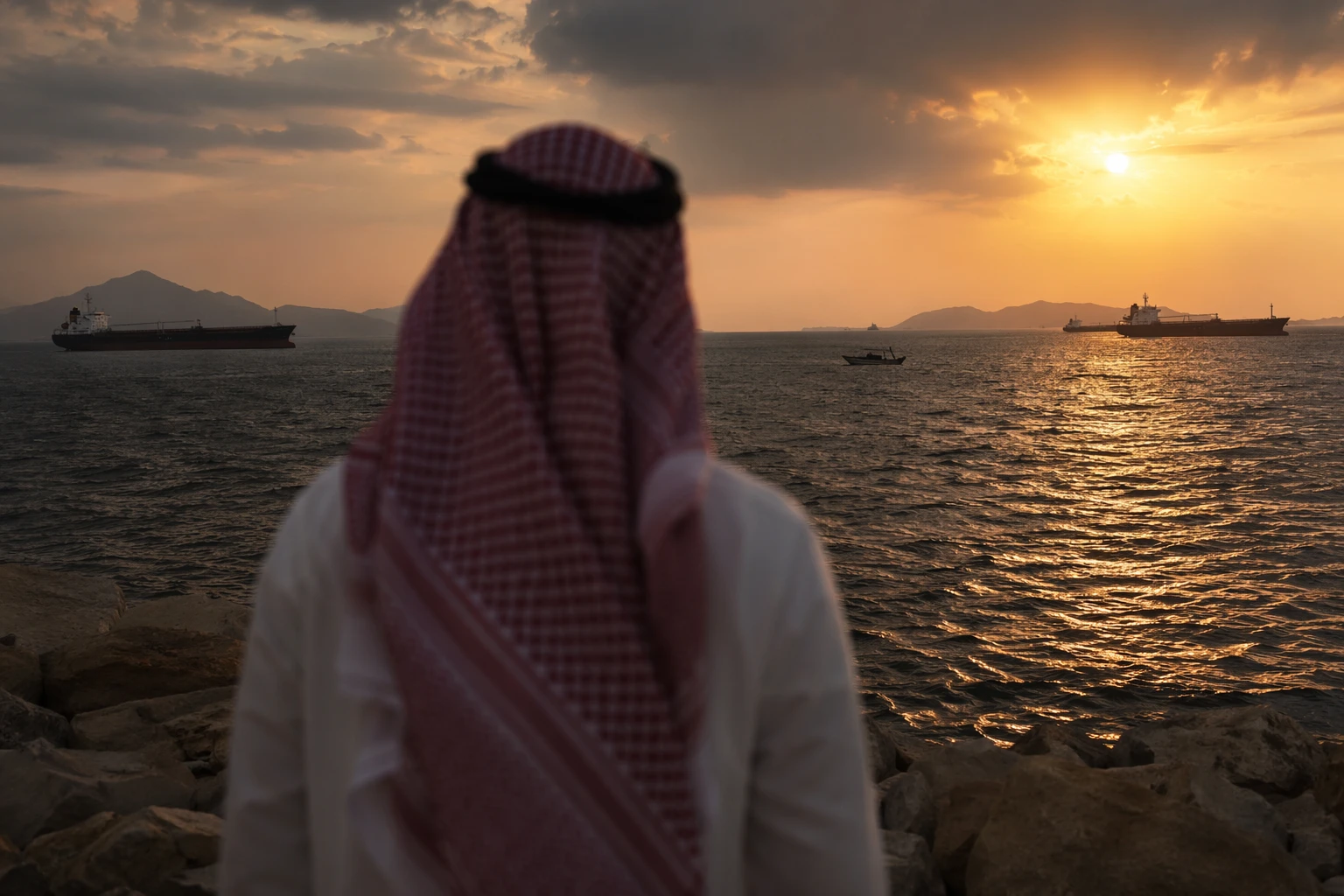
Saudi Aramco’s East-West Pipeline reached 7.0 million barrels per day in the first quarter of 2026, the company said, allowing more Saudi crude to move to the kingdom’s west coast and out through Yanbu rather than eastward through the strait. The line was built in the 1980s, when fears that the Iran-Iraq war could cut off Hormuz shipping pushed Saudi Arabia to create a fallback route.
The United Arab Emirates has its own escape valve in the Habshan-to-Fujairah pipeline, which has a maximum capacity of about 1.8 million barrels per day and can move some exports to the Gulf of Oman. That route does not eliminate Hormuz exposure, but it gives the UAE more optionality when tanker traffic is threatened. The UAE has said it wants to reduce its reliance on Hormuz to “zero.”
Saudi Aramco’s domestic and international storage capacity adds another layer of flexibility. Storage does not replace pipeline capacity, but it can smooth cargo timing, protect contractual deliveries, and give traders a buffer when shipping schedules break down.
What governments can realistically do now
Governments can release stockpiles, lean on spare pipeline capacity, and keep strategic reserves ready for repeat draws if the conflict drags on. They can also encourage producers and refiners to diversify sourcing, so a single route failure does not hit the same customers all at once.
Those measures work only if the infrastructure already exists. Stock releases can cushion prices quickly, but they are finite. Pipelines such as East-West and Habshan-to-Fujairah help only where they have spare capacity, and LNG has fewer rerouting options because Qatar and the UAE depend on the strait for most of those exports.
Where the pressure lands hardest
Asian buyers remain the most exposed because they take the bulk of Hormuz-linked oil and LNG flows. That means the consequences do not stop at the Gulf’s shoreline; they travel into Asian refining, shipping, and power markets, then echo into global benchmark prices. If tanker risk rises, importers with tight inventories and fewer alternative routes feel it first.
Traders begin pricing in risk premiums, freight costs rise, and refiners with thin margins may pay more for feedstock even before a single cargo is lost. For households, that often shows up later as higher fuel, utility, and goods prices.
What the current fix can and cannot solve
The emergency release of 400 million barrels and the surge in pipeline use show that the market has defensive tools. They also show the limits of those tools. Even with Saudi Arabia pushing the East-West Pipeline to 7.0 million barrels per day and the UAE using its 1.8 million barrel-per-day line to Fujairah, the world still relies on the strait for a large share of oil and LNG trade.
Sources
- [1]nytimes.com
- [2]eia.gov
- [3]iea.org
- [4]aramco.com
- [5]cnbc.com