Oil Surge Pressures Dow Jones as Iran Tensions Mount
Dow Jones futures fell as oil prices reached multi-year highs, fueled by escalating tensions with Iran and political rhetoric in the U.S.

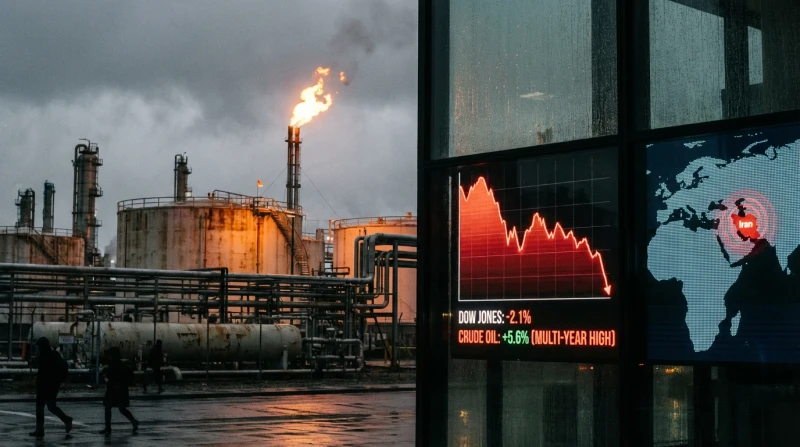
Oil prices surged to their highest level since 2023, sparking a sharp drop in Dow Jones futures and intensifying concerns across global financial markets. The rally in crude comes as tensions escalate between the United States and Iran, with political rhetoric from former President Donald Trump adding to the uncertainty.
Oil Prices Reach New Highs
The price of West Texas Intermediate (WTI) crude oil climbed rapidly, reaching levels not seen since 2023. This spike in energy costs sent a ripple effect through financial markets, leading to an immediate decline in Dow Jones Industrial Average futures. Investor's Business Daily reported that the escalation in oil prices was one of the primary catalysts behind the stock market's downturn.
- WTI crude oil hit its highest spot price in over two years, according to official U.S. Energy Information Administration records.
- The rise in oil prices is expected to impact U.S. consumers by increasing gasoline and energy-related expenses, potentially feeding into consumer price index inflation.
Geopolitical Tensions Drive Market Volatility
Much of the volatility stems from heightened tensions in the Middle East. The specter of conflict between the U.S. and Iran has intensified, with market participants closely monitoring developments for signs of escalation. According to Investor's Business Daily, the possibility of military action is influencing both investor sentiment and oil trading patterns, as traders anticipate potential disruptions to global supply chains.
Political Rhetoric Fuels Uncertainty
Former President Donald Trump has played a role in the public discourse around the Iran situation. In recent comments, Trump claimed that a war with Iran is "more popular than ever with the MAGA base," a statement covered by Investor's Business Daily. While such remarks are largely political, they reflect and potentially amplify underlying anxieties about U.S. foreign policy direction and its impact on markets.
Broader Implications for Markets and Consumers
The combination of rising oil prices and geopolitical uncertainty is increasing pressure on equities, with the Dow Jones among the major indices reacting negatively. If the trend continues, companies sensitive to energy costs, such as transportation and manufacturing, may face higher operational expenses. Meanwhile, consumers could see further increases in fuel and goods prices, compounding inflationary pressures already evident in the latest CPI data.
- Dow Jones futures fell in response to the oil surge, reflecting broader market concerns.
- Energy sector stocks may benefit from higher crude prices, but most consumer-facing sectors could struggle.
- Historical analysis shows a close correlation between oil price spikes and periods of increased market volatility.
Looking Ahead
Market analysts will continue to monitor both the geopolitical landscape and energy markets for further developments. Should tensions with Iran escalate, investors may see even greater volatility and sustained high oil prices. For now, the intersection of politics, international relations, and commodity markets is likely to remain a dominant force shaping the economic outlook.

Joe Burgett
Education and science writer fascinated by how policy shapes the classroom. Breaks down complex academic research and institutional decisions into stories that matter to students, parents, and educators alike.