Business
Oil Prices Climb Above $103 Amid US Blockade on Iran
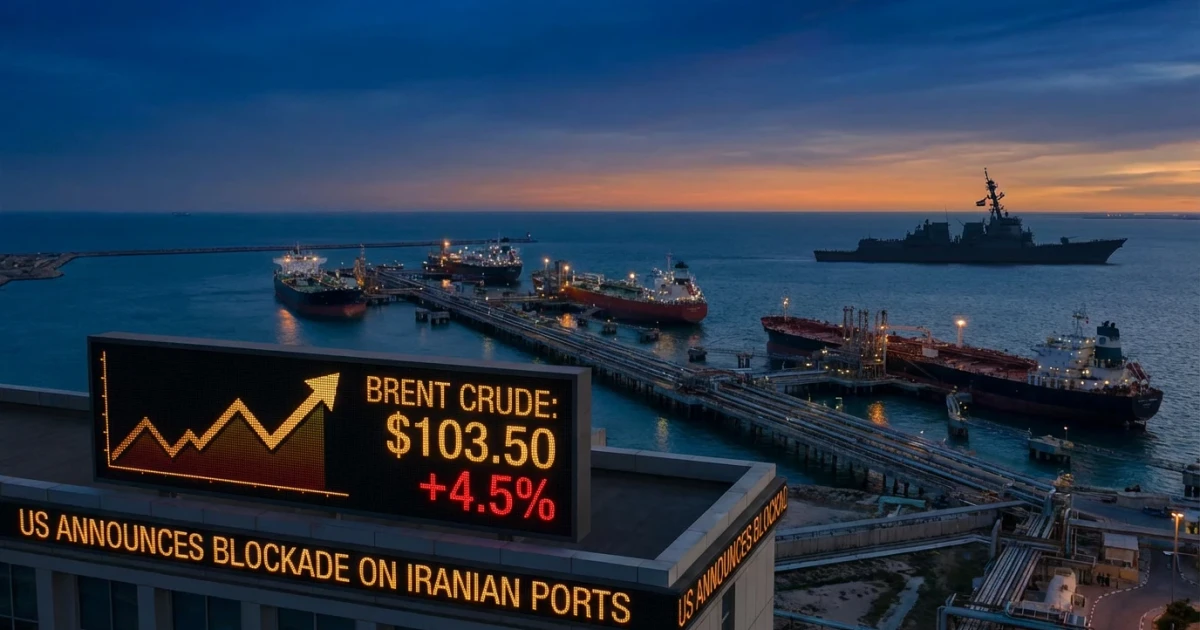
Global oil markets witnessed a sharp surge in prices, exceeding $103 a barrel, following the United States' announcement of a blockade on Iranian ports. The move, swiftly reported by Al Jazeera, has sent ripples across energy and financial markets, with Asia market indices opening lower in response to the escalating geopolitical tensions.
US Announces Blockade of Iranian Ports
The US government's decision to implement a blockade on Iranian ports marks a significant escalation in ongoing tensions between Washington and Tehran. While specific details of the blockade were not immediately released, the measure is widely interpreted as an attempt to curtail Iran's oil exports, which have historically played a substantial role in global energy supply. The blockade is expected to limit Iran's ability to ship crude oil, intensifying pressure on an already tight oil market.
Immediate Impact on Oil Prices
Following the announcement, oil prices surged past $103 a barrel, a level not seen in recent months. According to historical WTI spot price data, such rapid increases are typically associated with significant geopolitical disruptions. The rally was driven by concerns over potential supply shortages, as Iran is a major oil producer and exporter. The Organization of the Petroleum Exporting Countries (OPEC) lists Iran among its top members, and any interruption to its exports can send shockwaves throughout energy markets worldwide.
- WTI crude oil topped $103 a barrel, reflecting a dramatic shift in market sentiment.
- Iran's petroleum production has historically contributed millions of barrels per day to global supply.
- Previous disruptions in Iranian oil exports have resulted in heightened volatility and price increases, as observed in past episodes of sanctions and military tensions.
Market Reaction in Asia and Beyond
Asian markets were quick to react, opening lower as investors digested the implications of higher energy costs and potential disruptions to global trade. The spike in oil prices triggered sell-offs in sectors sensitive to fuel costs, including transportation and manufacturing. According to Al Jazeera, the market response underscores global concerns about the knock-on effects of an extended supply shock, which could weigh on economic growth and inflation worldwide.
Broader Geopolitical and Economic Implications
The US blockade adds a new layer of complexity to the already fraught relations between Iran and Western powers. It also raises questions about the effectiveness of international sanctions and the potential for retaliatory measures from Tehran. For oil-importing countries, the rise in crude prices could translate into higher fuel costs for consumers and businesses, possibly stoking inflationary pressures as seen in previous energy crises.
- The International Energy Agency's Oil Market Report has warned that geopolitical risks remain a key driver of oil market volatility.
- UN Security Council sanctions documentation provides context for ongoing measures against Iran and their enforcement.
- Disruptions to Persian Gulf shipping lanes could further exacerbate market instability.
Looking Ahead: Market Uncertainty
With oil prices breaching the $103 threshold, analysts are closely watching for further developments, including possible responses from OPEC and other major oil producers. The durability of the price rally will depend on how long the blockade remains in effect and whether diplomatic solutions can be found. In the meantime, energy markets are likely to remain volatile, with businesses and policymakers bracing for potential economic fallout.
For readers seeking more granular data on OPEC Reference Basket prices or live WTI crude oil futures quotes, official resources provide real-time updates and historical comparisons.
As the situation evolves, continued monitoring of energy market trends and geopolitical developments will be critical for understanding the broader impact of the US blockade on Iran and the future direction of oil prices.