Business
Oil Prices Climb Amid U.S.-Iran Standoff
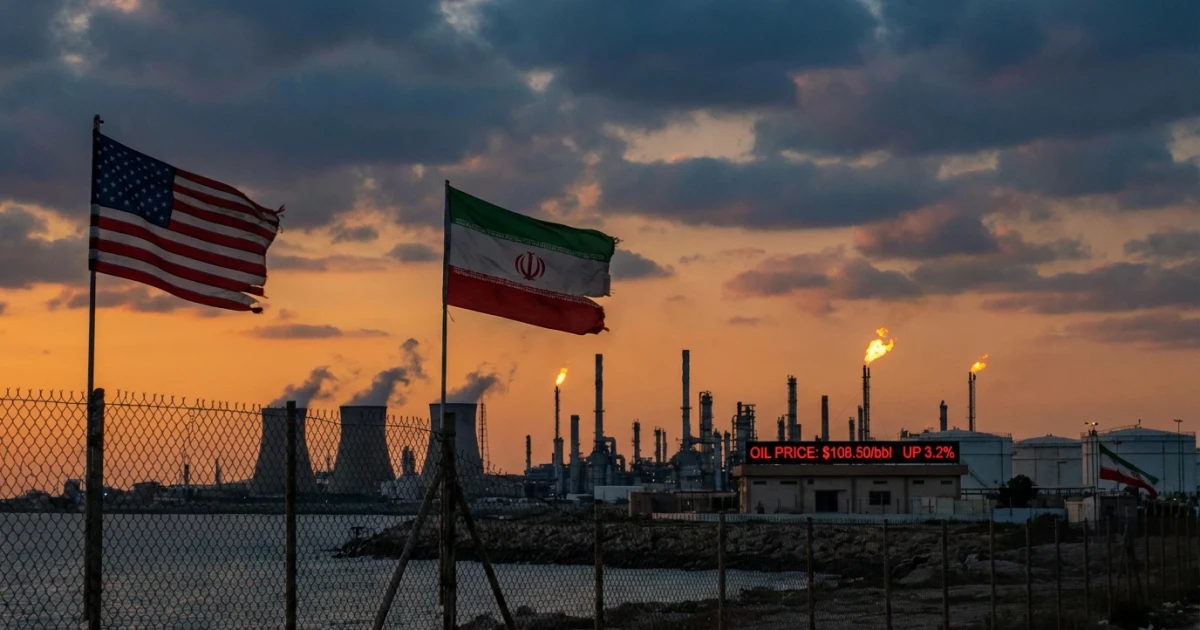
Oil prices experienced renewed upward pressure this week as ongoing tensions between the United States and Iran showed little sign of easing. The impasse, which has persisted despite diplomatic attempts, is fueling volatility in energy markets and affecting broader economic sentiment.
Stalemate Drives Market Uncertainty
According to live updates from CBS News, the stalemate between the U.S. and Iran is proving costly for both nations and the global economy. As peace talks stall, investors and analysts are closely watching the situation for any signs of a breakthrough. The lack of progress has contributed to a steady rise in West Texas Intermediate (WTI) crude oil spot prices, which are tracked daily by the U.S. Energy Information Administration. Recent data shows that oil prices have climbed several dollars per barrel in the days following the latest diplomatic setbacks.
Energy Markets React to Geopolitical Risks
Market analysts cited by CBS News highlight that the perception of heightened risk in the Middle East has led traders to factor in potential supply disruptions. The ongoing standoff has not yet resulted in direct interruptions to oil flows, but the possibility remains a constant concern. The Organization of the Petroleum Exporting Countries (OPEC) continues to track benchmark prices, with the OPEC Reference Basket also reflecting the upward trend.
- Oil prices have risen several dollars per barrel in recent days
- Diplomatic efforts between the U.S. and Iran remain stalled
- Market volatility is heightened due to potential supply risks
Broader Economic Impacts
The effects of rising oil prices extend beyond the energy sector. As CBS News and other outlets note, stock markets have wavered, with some indices posting declines as investors weigh the impact of costlier energy on corporate profits and consumer spending. Elevated oil prices often translate to higher transportation and manufacturing costs, which can feed into inflation and slow economic growth.
For readers tracking these developments, daily and historical oil price data is available from the EIA's daily crude oil price tables, while futures market activity can be explored via CME Group's crude oil futures quotes.
Diplomacy and Forward Outlook
Despite calls for renewed negotiations, both sides appear entrenched in their positions. The lack of progress has led many analysts to predict that elevated oil prices may persist in the near term. A resolution could ease market concerns and potentially reverse some of the recent gains, but for now, the energy sector continues to be shaped by geopolitical uncertainty.
As the situation evolves, market participants will be looking for any concrete signs of a diplomatic thaw or policy change. Until then, the standoff between the U.S. and Iran remains a key factor driving global oil prices and economic sentiment.