Business
Oil Prices Dip as Hormuz Shipping Resumes
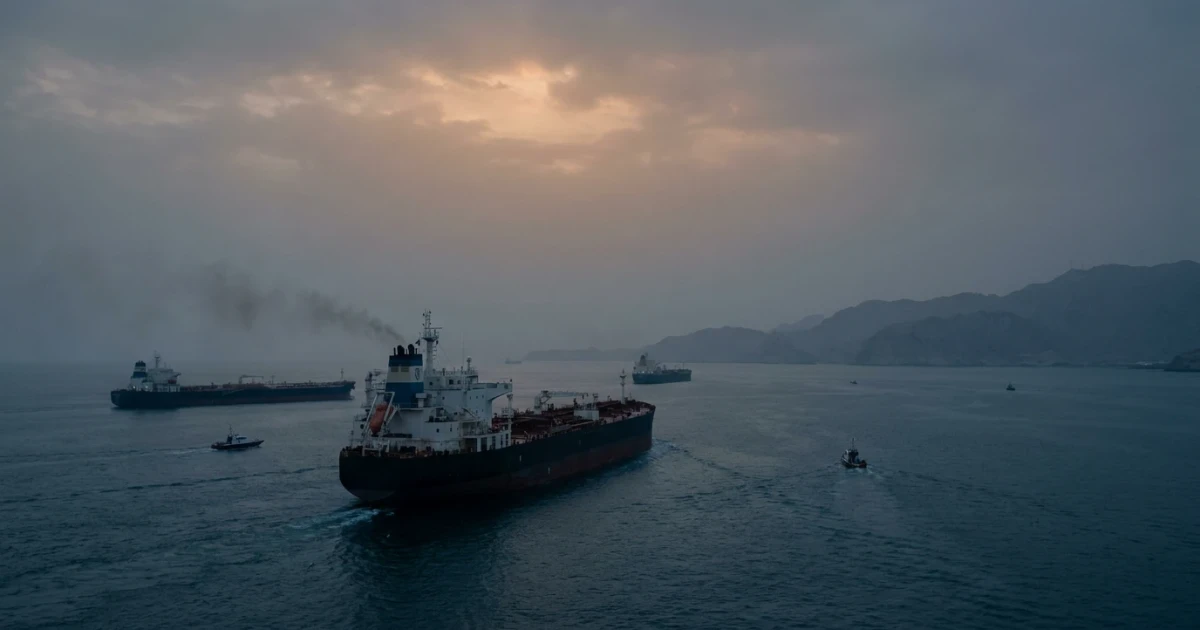
Oil futures experienced a modest decline on Friday as shipping activity toward the Strait of Hormuz resumed, raising hopes for relief in global energy markets. The situation remains fluid, with full reopening of the key waterway still uncertain, prompting caution among traders and analysts who closely monitor the region’s impact on oil supply and prices.
Ship Movements Ease Market Jitters
The Wall Street Journal reported that several cargo vessels have started to move toward the Strait of Hormuz, a critical transit route for global oil exports. The movement of ships has provided some reassurance to energy markets, resulting in a slight pullback in oil futures prices. According to the U.S. Energy Information Administration's petroleum futures data, prices for West Texas Intermediate and Brent crude dipped, reflecting traders’ optimism that disruptions may soon ease.
- The Strait of Hormuz handles roughly 30% of global seaborne oil trade, making it a strategic chokepoint for energy flows.
- Recent tensions and closures had driven oil prices higher, but renewed activity is now tempering that rise.
- Shipping movements are being closely tracked by international authorities to assess the stability of the route.
Uncertainty Surrounds Full Reopening
Despite the uptick in ship movements, the full reopening of the Strait remains a “question mark,” as cited by multiple sources. Maritime operators and oil exporters are proceeding with caution, mindful of ongoing risks in the region. The International Maritime Organization’s COLREGS regulations continue to guide vessel safety and routing, especially in contested waters.
Analysts note that the situation could change rapidly if geopolitical tensions flare up again or if new restrictions are imposed. The Council on Foreign Relations highlights the Strait’s vulnerability to disruptions, which can ripple through supply chains and affect global oil prices.
Potential Impact If Hormuz Remains Closed
Should the Strait of Hormuz fail to fully reopen, energy markets could face renewed volatility. According to a recent IEA Oil 2024 report, a prolonged closure would threaten supply routes for major oil exporters like Saudi Arabia, Iran, and Iraq, potentially leading to price spikes, supply shortages, and increased reliance on alternative shipping routes. This scenario could also accelerate strategic shifts, such as stockpiling and diversification in global energy policies.
- Alternative routes are limited, and rerouting oil shipments would increase costs and transit times.
- Global shipping statistics from UNCTAD show the region’s outsized role in international maritime transport.
- OPEC’s oil exports data underscores the importance of Hormuz for member countries’ export volumes.
Market Response and Forward Outlook
While oil futures have edged down, the market remains sensitive to developments in the Strait. Traders are expected to remain cautious, responding quickly to news about the status of shipping lanes and geopolitical risk. Continued monitoring of vessel movements and diplomatic negotiations will be crucial in determining the pace of recovery for global oil flows.
As the world waits for clearer signals on Hormuz’s reopening, energy stakeholders are preparing contingency plans. The resilience of the global oil market will be tested if uncertainty persists, making the next few days pivotal for price stability and supply security.