Business
Oil Prices Drop Below $100 Amid Iran Deal Hopes
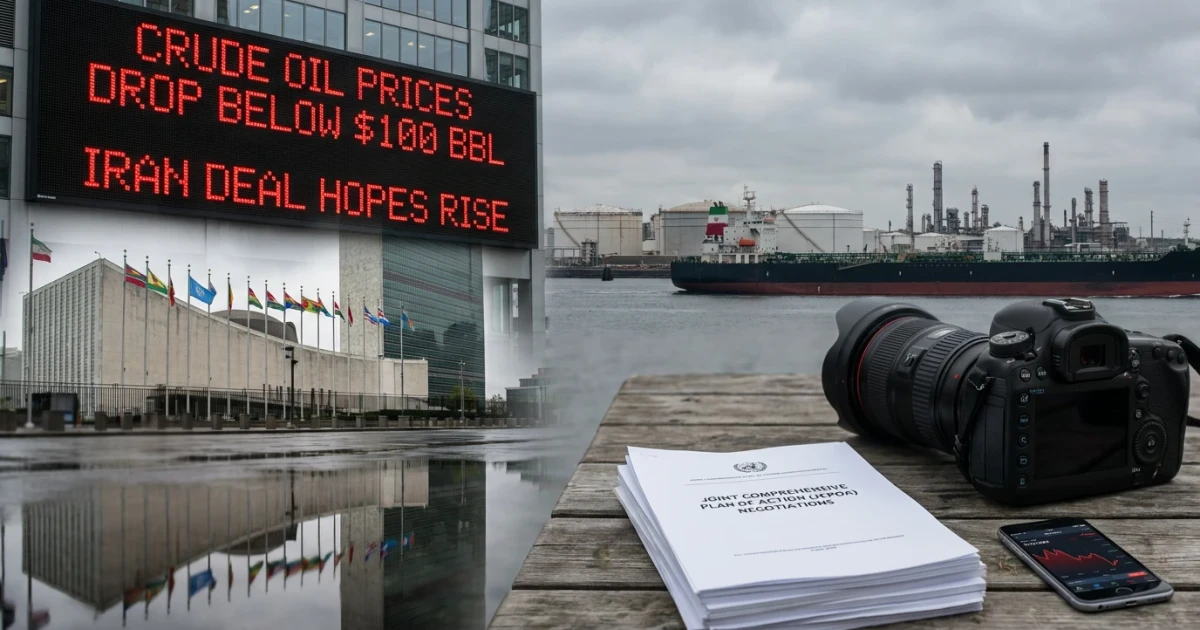
Oil prices fell sharply this week, dropping below $100 a barrel, as reports emerged of possible progress in negotiations between the United States and Iran. The market responded swiftly to news suggesting a potential breakthrough that could pave the way for increased Iranian oil exports, easing concerns over global supply tightness.
Market Reaction to Deal Signals
Major outlets including Axios and The New York Times reported significant declines in oil prices following signs of a possible U.S.-Iran deal. The news led to a broad selloff in crude futures, with benchmark West Texas Intermediate (WTI) crude falling below the psychologically important $100-per-barrel threshold for the first time in months. This price drop reflects market optimism that a deal could result in Iran boosting its oil exports, increasing global supply and bringing down costs for consumers and industries alike.
Potential Impact of Increased Iranian Oil
Iran has some of the world's largest proven oil reserves, but its exports have been sharply limited by longstanding U.S. sanctions. Hints of a thaw in U.S.-Iran relations sparked hopes that these restrictions could soon be eased, allowing more Iranian oil to reach international markets. According to recent IMF data, Iran's oil output capacity remains significant, and a lifting of sanctions could add hundreds of thousands of barrels per day to global supply.
- Oil prices had hovered comfortably above $100 per barrel for much of the year, amid supply concerns linked to geopolitical tensions and production constraints.
- Recent developments suggest that the market is pricing in a scenario where Iranian exports return more fully to the market, potentially stabilizing or even reducing energy costs worldwide.
Global Supply and Geopolitical Context
The prospect of a U.S.-Iran agreement also comes at a time of heightened uncertainty in global energy markets. Supply disruptions, OPEC+ production decisions, and ongoing geopolitical tensions have contributed to price volatility. According to the latest IEA Oil Market Report, the return of Iranian barrels could help rebalance markets and alleviate some of the pressure on world oil prices.
While details of the purported deal remain scarce and no official agreement has been announced, even the suggestion of progress has been enough to affect oil futures contracts. The market's rapid response highlights the sensitivity of energy prices to diplomatic developments involving major producers.
What Comes Next?
Analysts caution that the situation remains fluid. An actual agreement and the subsequent easing of sanctions would require complex negotiations and verification steps. Nevertheless, the current market movement underscores the outsized influence of U.S.-Iran relations on global oil dynamics.
For now, traders and policymakers are watching closely for official confirmation and further details. If a deal is secured, the resulting increase in Iranian oil flows could provide much-needed relief to the global energy market and consumers facing high fuel costs.