Business
Oil prices ease after Strait of Hormuz reopening, gas relief may lag

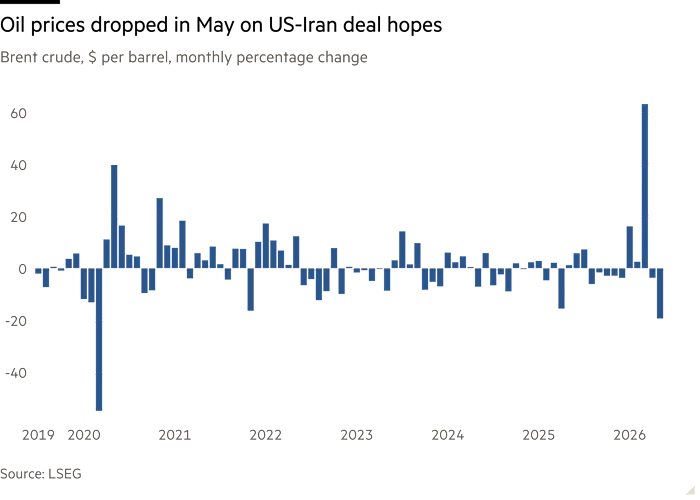
Oil traders have pulled back hard from the war premium that gripped markets after Iran’s response to U.S. and Israeli attacks effectively closed the Strait of Hormuz. Brent crude fell to about $73.50 a barrel on June 24 and briefly touched about $72.52 to $72.62 on June 25, its lowest level since February 27, the day before the Middle East conflict began.
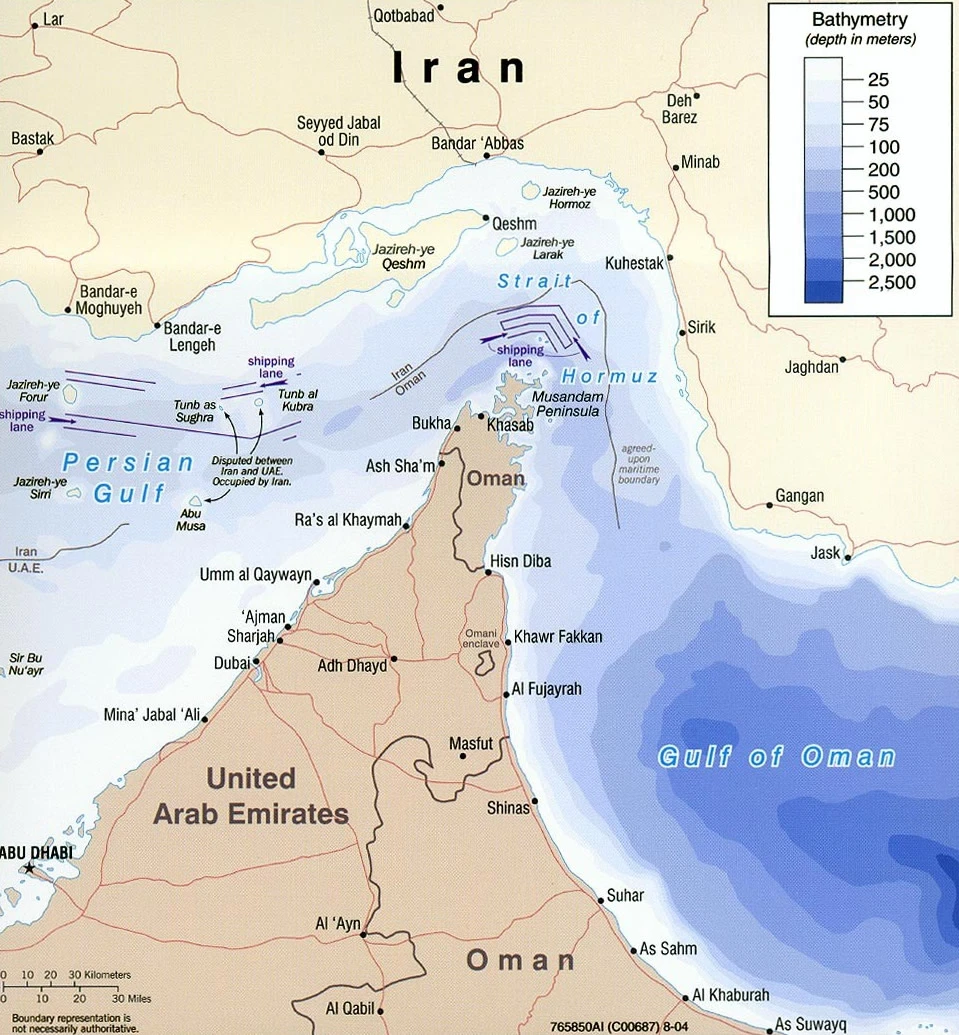
The retreat followed an interim U.S.-Iran agreement announced June 15 to reopen the strait and lift a U.S. blockade on Iranian oil traffic. The waterway normally carries roughly one-fifth of the world’s oil and liquefied natural gas, and the World Bank called the shutdown the largest oil market shock in history. By the end of March, Brent had climbed about 65% and posted its biggest monthly rise ever, while global oil supply crashed by 10.1 million barrels a day that month.
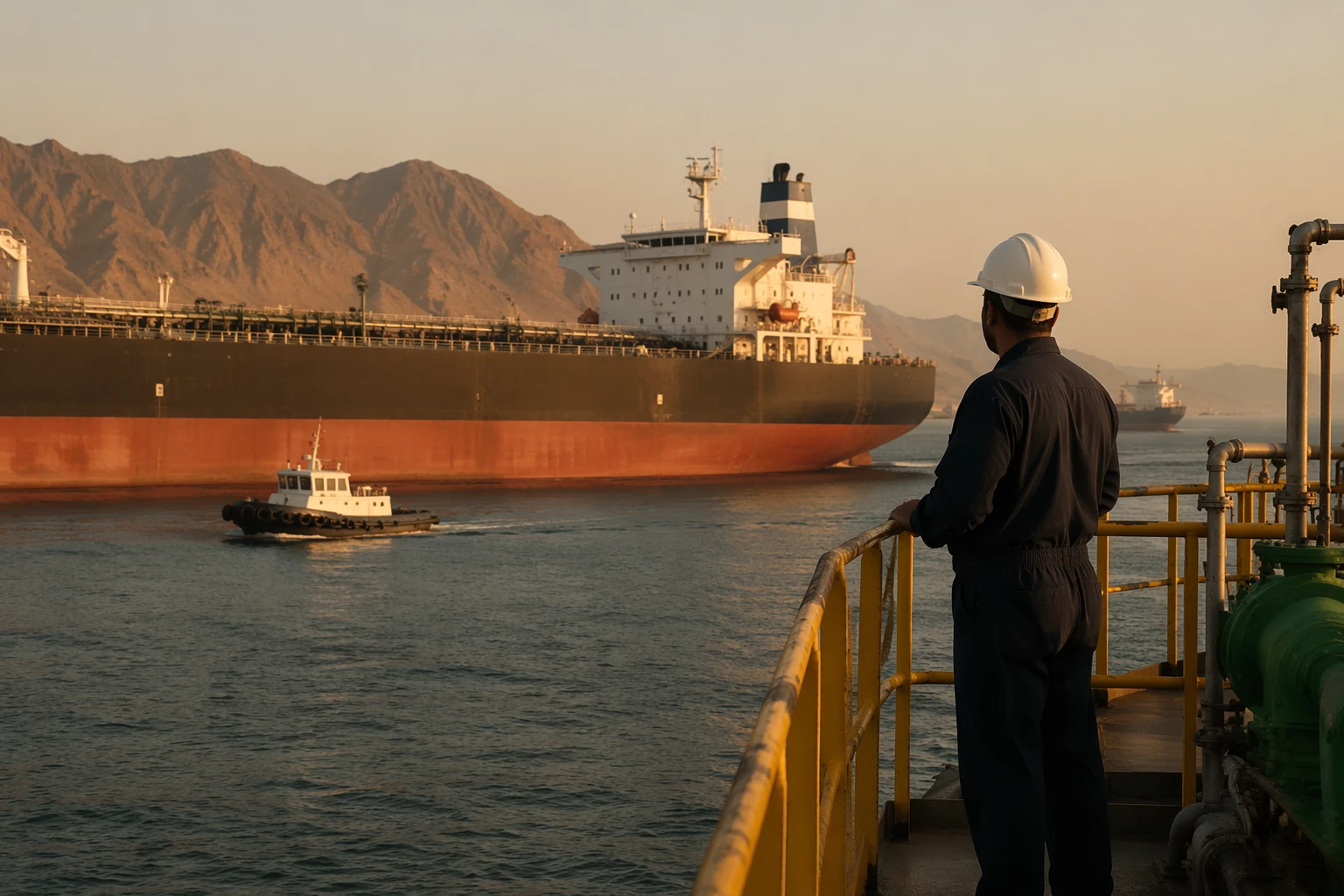
The latest slide in crude has not translated into full relief at the pump. U.S. average gasoline prices have eased to about $3.92 a gallon, down 58 cents, or 13%, in a month, but they remained 94 cents above pre-war levels. Patrick De Haan of GasBuddy expects consumers may not see U.S. gas prices return to pre-war levels until 2027.
Shipping backlogs, port congestion and the time needed for producers to ramp output could keep the market tight even after the Strait of Hormuz resumes regular traffic. The war already cut demand and could leave the market vulnerable to further supply shifts if the truce frays.
On June 25, Brent’s prompt spread flipped into bearish contango for the first time since the conflict began.
Sources
- [1]bbc.co.uk
- [2]al-monitor.com
- [3]abcnews.com
- [4]aljazeera.com
- [5]blogs.worldbank.org
- [6]iea.org
- [7]tradingeconomics.com