Business
Oil Prices Edge Higher Amid Uncertainty Over U.S.-Iran Deal
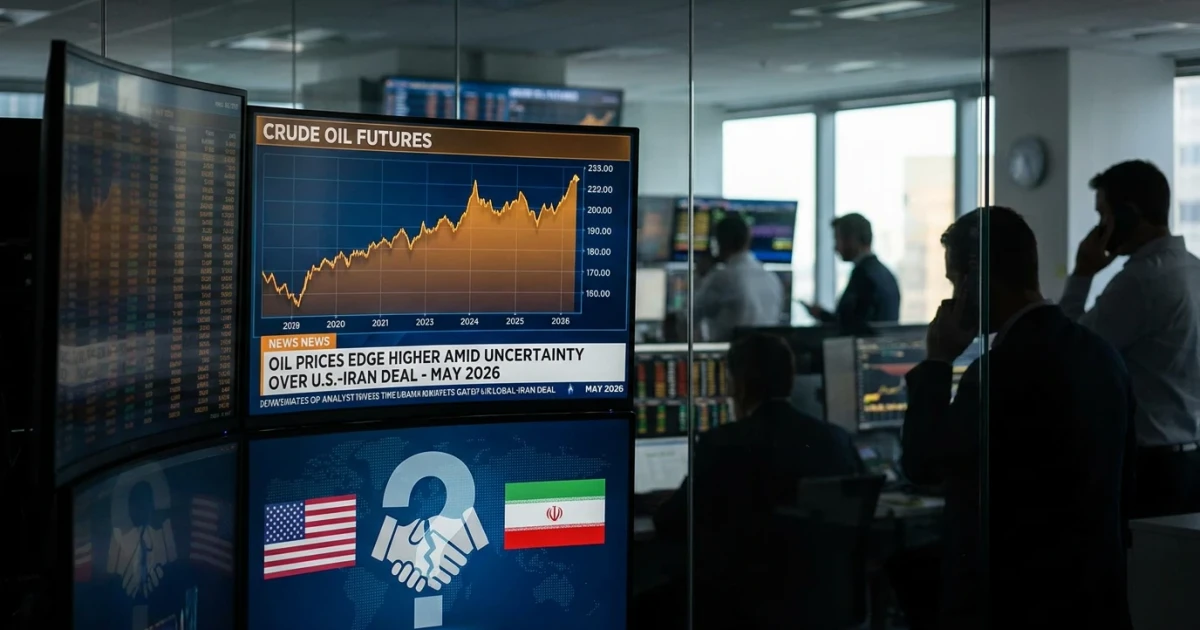
Crude oil prices climbed on Wednesday as market participants expressed growing doubt about the prospects for a U.S.-Iran nuclear deal, fueling uncertainty in global energy markets. The shift in sentiment comes after earlier declines, when investors had been more optimistic about a diplomatic breakthrough that could boost Iranian oil exports and ease supply constraints.
Trader Sentiment Shifts on U.S.-Iran Negotiations
OilPrice.com reported that oil markets reversed course, with prices rising as traders grew skeptical of a U.S.-Iran deal. Initially, expectations for an agreement had pressured prices downward, as a potential deal could unlock additional supply from Iran, one of the world’s largest oil producers. However, as talks appeared to stall, skepticism set in, leading traders to reassess supply forecasts and brace for continued tightness in the market.
- West Texas Intermediate (WTI) and Brent crude both saw upward movement, reflecting a change in market expectations.
- OilPrice.com noted that investor sentiment has become increasingly sensitive to geopolitical developments affecting major oil producers.
- Fluctuations in oil prices have been closely tied to news and speculation around the potential for U.S.-Iran diplomatic progress.
Potential Impacts on Oil Supply
The prospect of a U.S.-Iran deal has significant implications for global crude oil prices and supply dynamics. Iran holds vast oil reserves and, if sanctions were lifted, could quickly ramp up exports, adding substantial barrels to the global market. This possibility has kept traders and analysts vigilant, as any increase in Iranian supply could weigh on prices, while ongoing constraints lend support to current levels.
According to official production data, Iran has the potential to increase output significantly if international restrictions ease. The uncertainty surrounding negotiations has thus injected volatility into oil futures contracts, with traders responding swiftly to news and rumors about diplomatic progress or setbacks.
Broader Market Context
Movements in oil prices are influenced by a range of factors beyond U.S.-Iran relations. The U.S. Energy Information Administration (EIA) notes that global supply and demand balances, geopolitical tensions, and economic indicators all play crucial roles. In recent months, Brent crude and WTI have experienced sharp swings, reflecting uncertainty about future supply from OPEC+ members, U.S. shale producers, and countries such as Iran.
- Other geopolitical risks, including conflicts affecting key transit routes and production disruptions, continue to shape market expectations.
- Economic data, including demand forecasts from major consumers, also influence price trends.
Looking Ahead: Oil Prices Remain Volatile
With negotiations between the U.S. and Iran at an apparent impasse, market volatility is expected to persist. Analysts caution that even the possibility of a deal can move prices sharply, making the market highly reactive to headlines and diplomatic signals. For now, traders appear to be positioning for continued uncertainty, awaiting clearer direction from policymakers and negotiators.
As the situation evolves, oil prices will likely remain sensitive to news about U.S.-Iran talks and other factors influencing global supply. Readers can track the latest WTI price movements, Brent crude trends, and OPEC reference basket data to stay informed about ongoing market developments.