Business
Oil prices edge higher as Strait of Hormuz risks persist

Oil prices edged higher on Sunday evening while S&P 500 futures were little changed, a sign that traders were still treating the Persian Gulf crisis as a threat to watch rather than a full-blown supply shock. The market’s caution reflected a simple calculation: attacks around the Strait of Hormuz have raised the odds of disruption, but so far they have not shut the waterway that carries a large share of global energy trade.
Brent crude settled at $71.99 a barrel on Friday, June 26, and U.S. West Texas Intermediate finished at $69.23, after more tankers exited the Strait of Hormuz and eased some supply fears. By June 28, crude had climbed back to about $70.18 a barrel, still well below the earlier peak in the latest bout of war-driven volatility but firm enough to keep gasoline and freight markets on alert.
The violence has mattered because the Strait of Hormuz is not just another shipping lane. It is a critical chokepoint for global energy flows, and any sustained interference would quickly filter through crude benchmarks, refinery costs and the price drivers pay at the pump. That is why markets have been jumpy even as stock futures stayed relatively calm: equities can absorb headline risk for a time, but oil prices transmit geopolitical stress into the broader economy far faster.
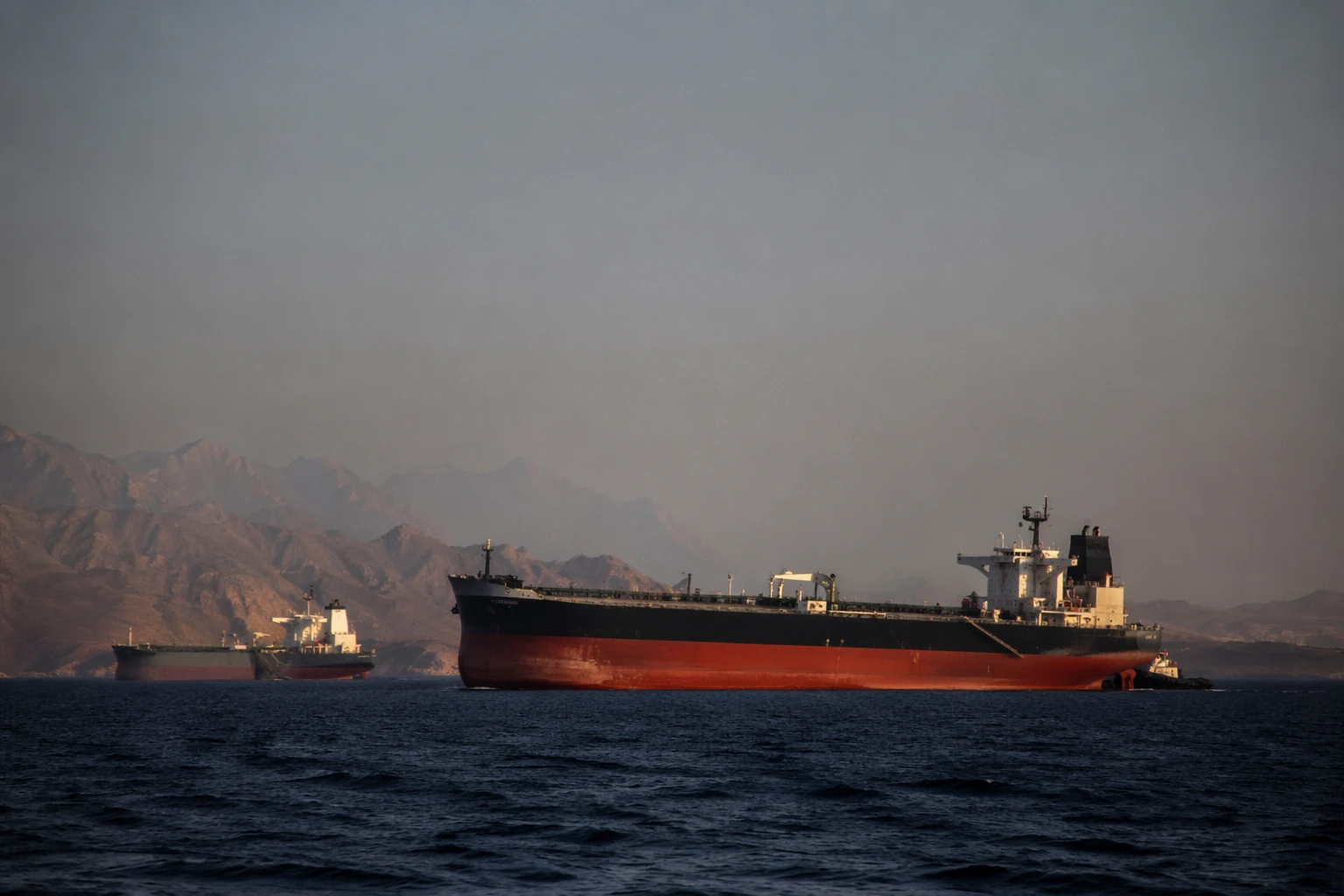
The latest pressure came as a U.S. official told MS NOW that Iran was behind an attack on a cargo ship near the coast of Oman in the Strait of Hormuz. The ship was sailing under a Singapore flag, according to the Wall Street Journal as cited in CNBC coverage. Those details reinforced the sense that tanker traffic in the Persian Gulf and Gulf of Oman remains exposed even when broader market panic fades.
Prices have already shown how quickly the situation can turn. CNBC noted that Brent crude had surged more than 55% since the start of the war, jumping from around $72 a barrel on February 27 to nearly $120 at its peak before retreating again as diplomacy and ceasefire expectations shifted. On Thursday, Brent had already fallen about 1% to roughly $73 a barrel, and Friday’s decline extended that move before Sunday’s modest rebound.

For now, investors are watching whether the recent attacks stay isolated or begin to interfere more directly with shipments through the Strait of Hormuz. If tanker traffic were seriously disrupted, the first hit would be oil and diesel, followed by higher gasoline prices, firmer inflation readings and more expensive shipping for imported goods. The market has not priced that outcome yet, but it is close enough to keep crude trading on edge.
Sources
- [1]nytimes.com
- [2]cnbc.com
- [3]tradingeconomics.com